






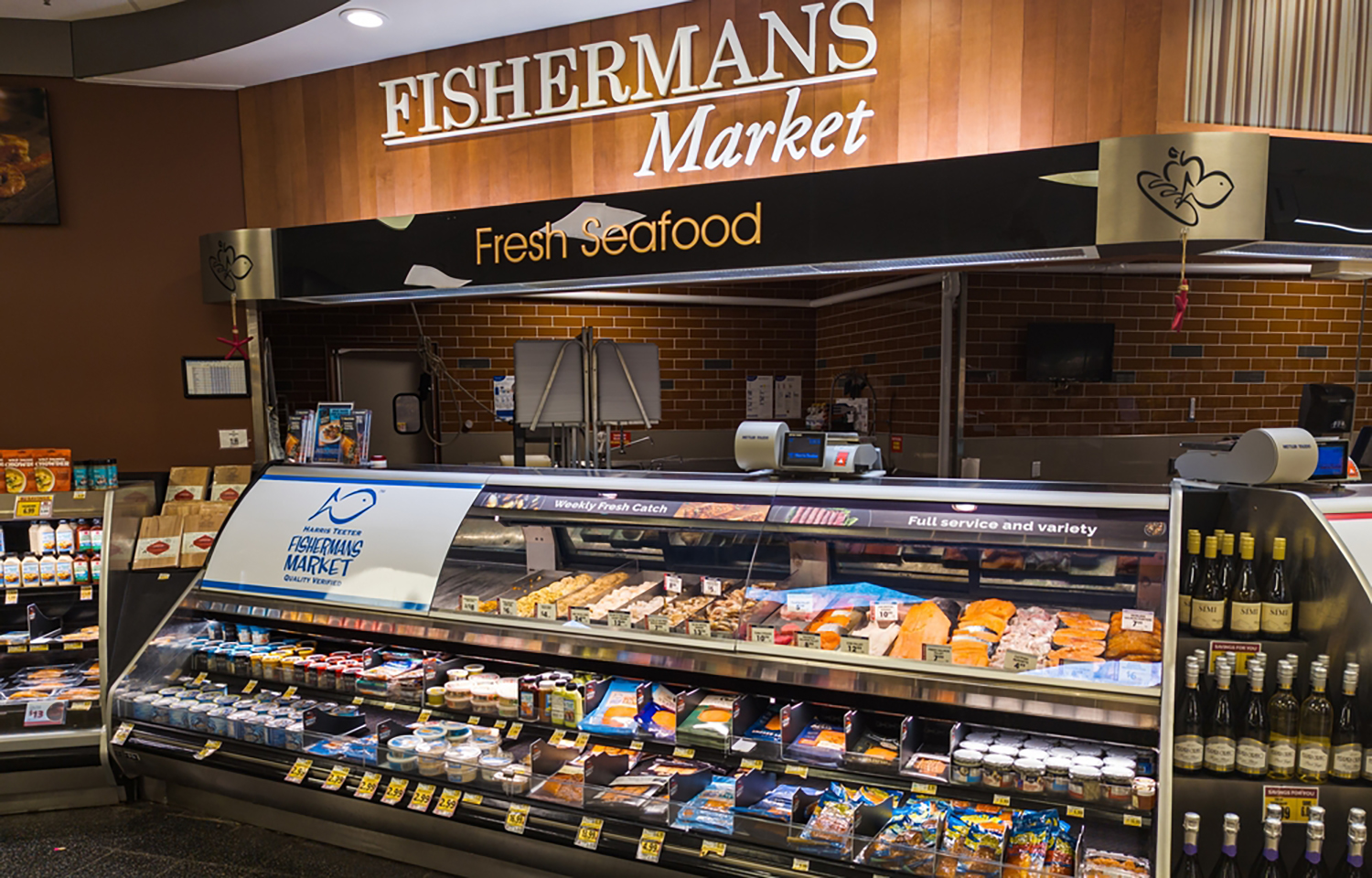
Seafood inflation at U.S. retail stores rose again to end 2025, leading to increases in sales by value but declines in sales by volume in most seafood categories in December.
The biggest price increases during the month came in frozen and shelf-stable seafood, which both jumped 8.4 percent in December, according to new data from Circana analyzed by Lakeland, Florida, U.S.A.-based 210 Analytics. Fresh seafood prices, meanwhile, increased 1.6 percent, led by finfish prices, which rose 3.3 percent.
“Across species, shellfish and finfish prices averaged more than USD 10 [EUR 8.60] a pound in December. This is up substantially from the full-year average, reflecting inflation acceleration in the latter half of the year after mostly stable prices throughout 2024 and the first half of 2025. Inflation also hit frozen and shelf-stable seafood in the second half of the year,” 210 Analytics Principal Anne-Marie Roerink wrote in a recent monthly Circana Merck Seafood Update.
Shelf-stable inflation was likely caused by tariffs on packaging inputs, Roerink told SeafoodSource, while frozen inflation was caused primarily by a spike in frozen shrimp prices, which increased 12 percent in December. Frozen crab prices also increased 12.4 percent, while frozen salmon prices rose 4.4 percent and frozen tilapia increased 3.2 percent.
In fresh seafood, cod prices realized the greatest price hike, rising 12.3 percent year over year. Fresh crab prices also increased 11.9 percent, shrimp prices rose 8 percent, and salmon prices increased 3.3 percent.
The Consumer Price Index for December found that overall seafood inflation increased 4.4 percent in December compared to the same month a year prior.
As a result of the inflation, fresh seafood sales by value rose 0.6 percent in December, according to Circana, while sales by volume dropped 2.3 percent.
Fresh finfish sales by value grew 5.2 percent, but sales by volume only rose 1.9 percent.
“Finfish dollar and pound sales have been increasing since the third quarter of 2024. In the third and fourth quarter, finfish dollar growth started pacing ahead of pound growth; however, both remained in the plus,” Roerink said.
Fresh shellfish sales, though, had a tough month in December, dropping 7.8 percent by value and 7.7 percent by volume.
Frozen seafood sales by value increased 1.9 percent, but sales by volume dropped nearly 6 percent. Ambient seafood sales by value rose 9.8 percent, but volume increased only 1.3 percent in December.
Looking at the entire U.S. food industry, the Bureau of Labor Statistics found that the food-away-from-home index increased 4.1 percent and the food-at-home index increased 2.4 percent in December.
The numbers “reflect the ongoing challenge of bringing food inflation under control,” FMI - The Food Industry Association Vice President of Tax, Trade, Sustainability, and Policy Development Andy Harig said in a release.
“Overall inflation remains stubbornly above the Federal Reserve’s 2 percent target, and food prices also disappointingly reflected this trend in December,” he said. “While we are hopeful that a portion of this month’s number is likely tied to the holidays and may stabilize in 2026, we recognize the continued pressure on the American shopper’s wallet.”
Despite the increased inflation, the holiday season still resulted in record spending on both food and non-food items.
Grocery and beverage store sales rose 2.85 percent in December compared to last year and 0.33 percent compared to November, according to the CNBC/NRF Retail Monitor.
Overall 2025 holiday sales from 1 November through 31 December grew 4.1 percent year over year.
“December Retail Monitor data saw a sharp surge in growth as consumers continued prioritizing holiday spending on family and friends. Continued economic momentum helped land 2025 holiday sales near the top of NRF’s forecast, reaffirming that consumers remain on solid footing,” National Retail Federation (NRF) President and CEO Matthew Shay said.
Consumers also spent a record USD 257.8 billion (EUR 221 billion) online from 1 November through 31 December, marking an increase of 6.8 percent, per Adobe Analytics’ 2025 Holiday Shopping Trends report.
