






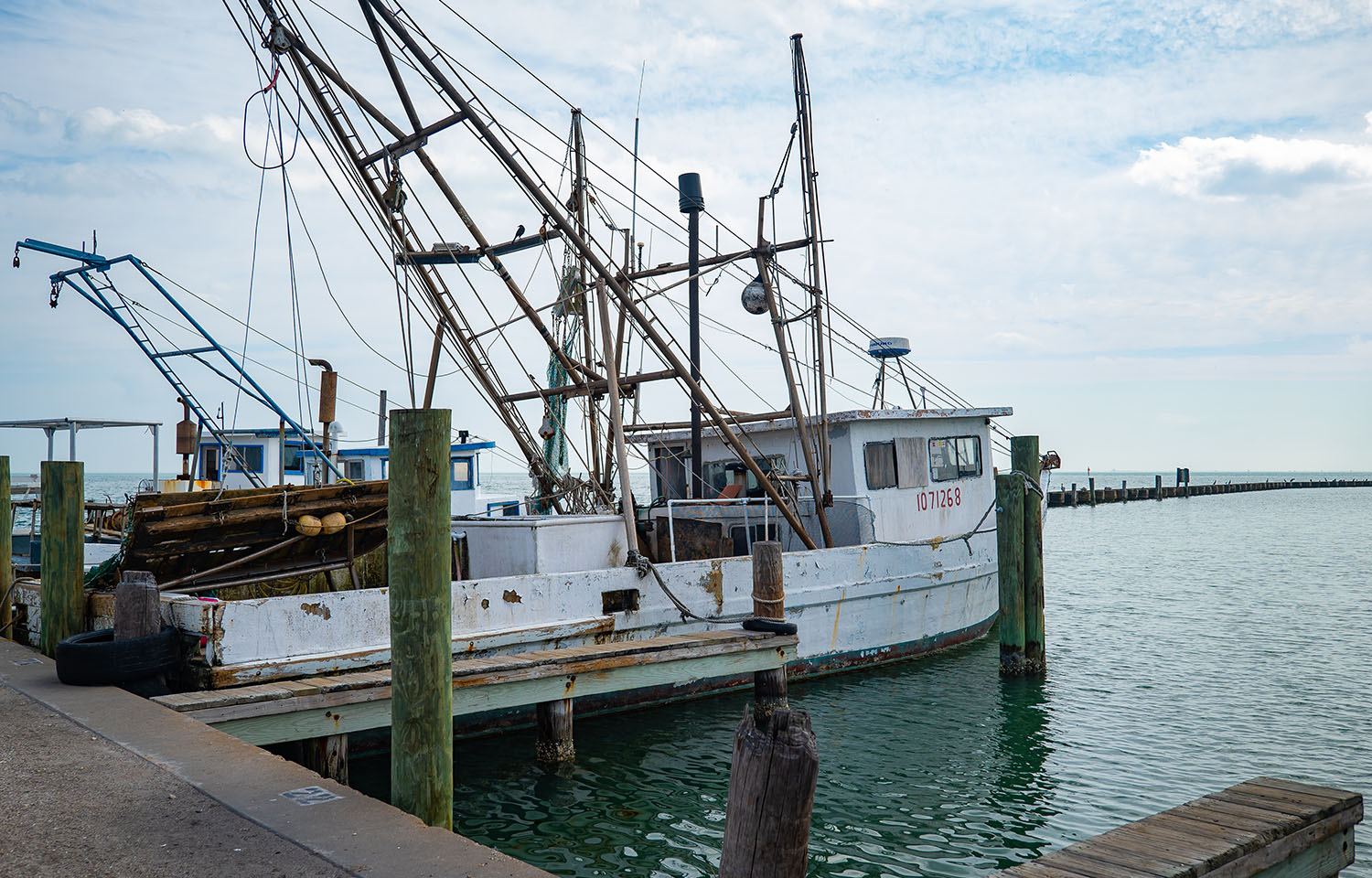
Texas legislature passed a new law designed to increase transparency on the country of origin of shrimp sold in the state, following similar moves by state governments bordering the Gulf of Mexico.
SB 823 requires seafood wholesalers, distributors, and suppliers to clearly label if the seafood they are selling is imported and prohibits restaurants from selling imported shrimp as “Texas shrimp,” “Gulf shrimp,” “American shrimp,” or “Domestic shrimp.” The bill passed the Texas House unanimously, while in the Senate it passed on a 28-3 vote.
“Texas’s legislature has proven that there are common sense ways that we can all agree on to ensure that consumers have the option of choosing domestic shrimp when they dine out,” Southern Shrimp Alliance Executive Director John Williams said in a statement. “The Southern Shrimp Alliance is grateful for the incredible leadership demonstrated by State Representative Terri Leo-Wilson, the work of all of Texas’s legislators involved, and the commitment shown by the Texas Shrimp Association and the Port Arthur Area Shrimpers Association to get this done for an industry that desperately needs the community’s support.”
According to the Texas legislature, the Texas domestic shrimp sector is a USD 850 million (EUR 743 million) industry supporting 14,000 jobs.
The bill comes amid increased scrutiny on imported shrimp being sold on America’s Gulf Coast. DNA testing conducted by Houston, Texas, U.S.A.-based SEAD Consulting alongside SSA has shown widespread sales of foreign shrimp in Southern states bordering the Gulf, with much of the product falsely labeled or misrepresented as locally sourced seafood. Concerns over mislabeled seafood have also risen following the sentencing of Biloxi, Mississippi, U.S.A.-based restaurant Mary Mahoney’s Old French House and seafood supplier Quality Poultry and Seafood. Mary Mahoney’s pled guilty to selling imported fish as domestic product for several years, while Quality Poultry and Seafood pled guilty to leading a conspiracy of replacing domestic products with foreign equivalents.
To combat the tide of foreign shellfish, Southern states have increasingly turned to legislation requiring labels detailing whether shrimp – and seafood more generally – is imported.
If signed by Governor Greg Abbott, the legislation will go into effect 1 September 2025.
Along with SB 823, Texas lawmakers also passed a resolution condemning shrimp imports and calling on the federal government to take action to stem the flow of foreign shrimp products.
“The sustainability of the domestic shrimp industry is crucial to the survival of many small, family-owned businesses and to the stability of Gulf Coast communities, but this important economic engine is currently imperiled by unfair foreign competition and other rising challenges,” the resolution reads. “The 89th Legislature of the State of Texas hereby urge the federal government to curb the mass importation of foreign shrimp into the United States to protect the Gulf Coast shrimping industry from unfair competition and to protect consumers from substandard shrimp that does not meet U.S. health standards.”
