






U.S. retail seafood sales rebounded in January after a drop in December 2024, with the frozen, fresh, and shelf-stable categories all posting sales increases, according to new data.
Partially driven by New Year’s Day falling on a Wednesday, much of December’s holiday sales moved into Circana’s January reporting. That shift contributed to the December decline and the January increase, Anne-Marie Roerink, principal at Lakeland, Florida, U.S.A.-based 210 Analytics, which analyzed the Circana data, told SeafoodSource.
Additionally, certain species like shrimp and lobster had a significant sales lift in January, Roerink said.
Overall fresh seafood sales increased 2.7 percent to USD 817 million (EUR 780 million) by value, and sales by volume rose 0.5 percent. Buoyed by more favorable pricing, fresh shrimp sales climbed 11.4 percent by value and 13.6 percent by pounds, while lobster sales shot up nearly 24 percent by value and nearly 4 percent by units.
Sales of salmon – the top seller in U.S. retail – inclined by 1.2 percent, but volume declined slightly by 0.2 percent. In other notable increases, trout sales increased 16 percent by value and 22.5 percent by volume, while cod rose 2.5 percent by value and 0.2 percent by volume.
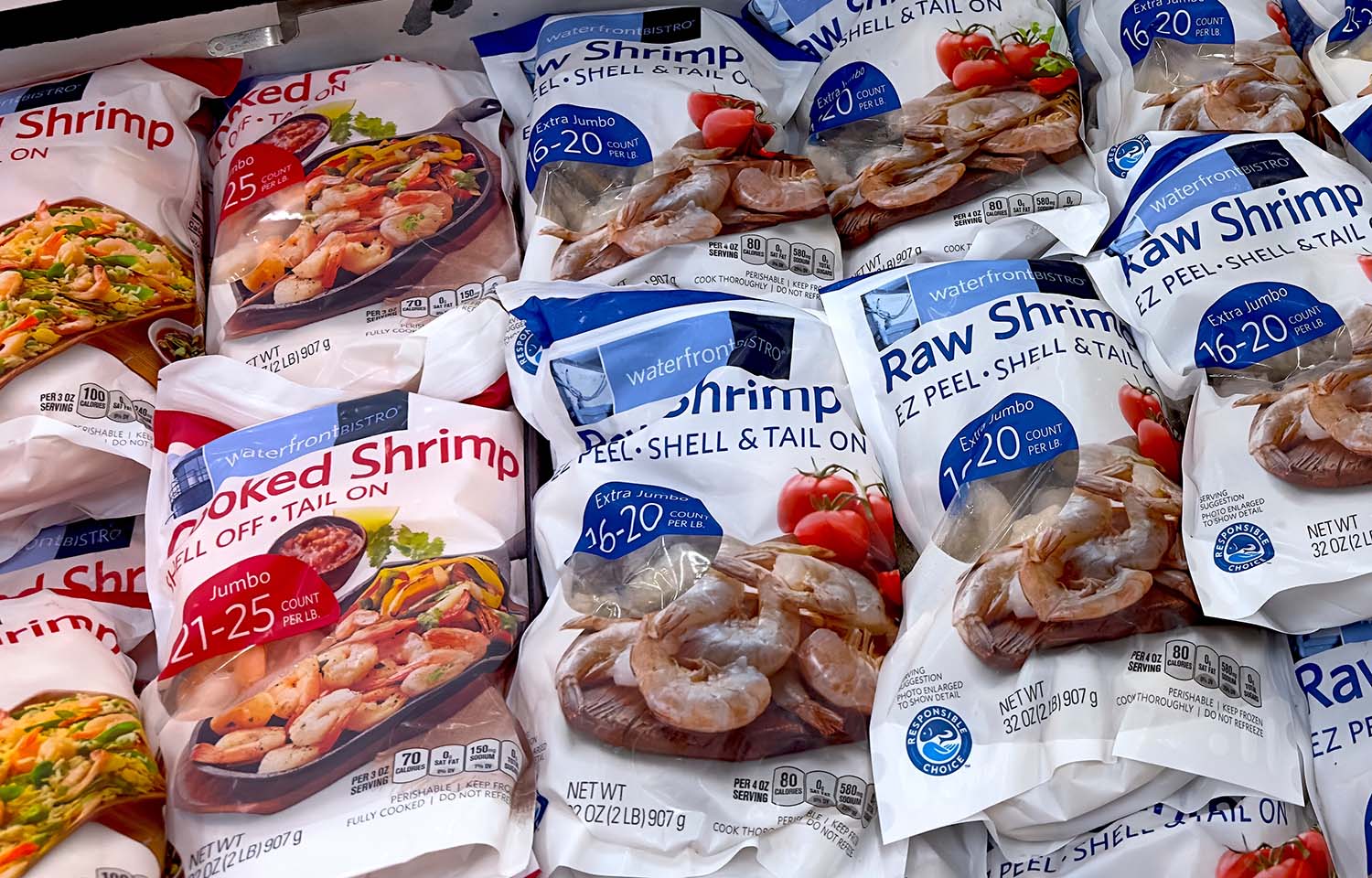
Frozen seafood sales climbed 1.4 percent to USD 819 million (EUR 781 million), while units sold also rose 0.4 percent, according to 210 Analytics. Higher sales of frozen shrimp – the largest sub-category in frozen – contributed to the increase, as value rose 3.7 percent and pounds increased 2.8 percent. On the other hand, frozen salmon sales dropped 7.5 percent by value and 5.8 percent by volume.
Ambient seafood had a “solid” performance in January, Roerink said, with an overall 0.6 percent hike in sales value to USD 339 million (EUR 323 million) and a 1.1 percent incline in units. Tuna, which drove the bulk of the sales increase, rose 2.2 percent in value, while salmon value also inclined 3.1 percent.
Seafood price inflation drove some of the higher sales values, but volume also rose in January. Fresh seafood prices rose 2.2 percent in January, driven by a hike of 5.1 percent in shellfish, compared to a 0.4 percent incline for finfish. Frozen seafood prices rose 1.1 percent compared to January 2024.
Shelf-stable seafood prices, on the other hand, dropped 4.1 percent.
While prices are looking better for the consumer, inflation-weary shoppers are still concerned about the economy and are experiencing higher food, shelter, and other costs.
Ninety-six percent of shoppers surveyed by Circana in January are worried about grocery prices, and the University of Michigan Consumer Sentiment Index declined to 71.1 in January 2025 versus 73.2 in December, marking the first decrease in six months.
“Consumers indicated being concerned about the labor market and potentially higher prices due to tariffs on imports,” Roerink said, adding that the decrease in consumer sentiment was widespread across different political affiliations, age groups and income levels.
Plus, the average price per pound for seafood remained significantly higher than the average price per pound for the three biggest animal proteins of chicken, pork, and beef, Roerink noted.
Overall food and beverage inflation increased 2.8 percent in January 2025 versus January 2024, according to Circana. Overall fresh food prices inclined 4.3 percent, influenced by substantial inflation in eggs due to avian influenza, Roerink said.
The U.S. Consumer Price Index also rose 3 percent in January versus January 2024, while food costs inclined 2.5 percent, driven by a 3.4 percent hike in food away from home prices.
