





Seafood sales values increased across the U.S. as a combination of environmental factors and inflation lead to double-digit percentage increases.
Winter storms across many regions of the U.S. in January led to a surge in shelf-stable seafood and other retail seafood sales, including in the fresh and frozen categories. The storms caused Americans to eat at home in larger numbers during the month, and retail food and beverage volume jumped up 18 percent for the week ending 25 January, according to Circana data analyzed by 210 Analytics in Lakeland, Florida, U.S.A., while restaurant transactions fell 6 percent that week.
That surge came as inflation soared across seafood categories in January, according to the Circana data, which lead to substantial increases in sales values.
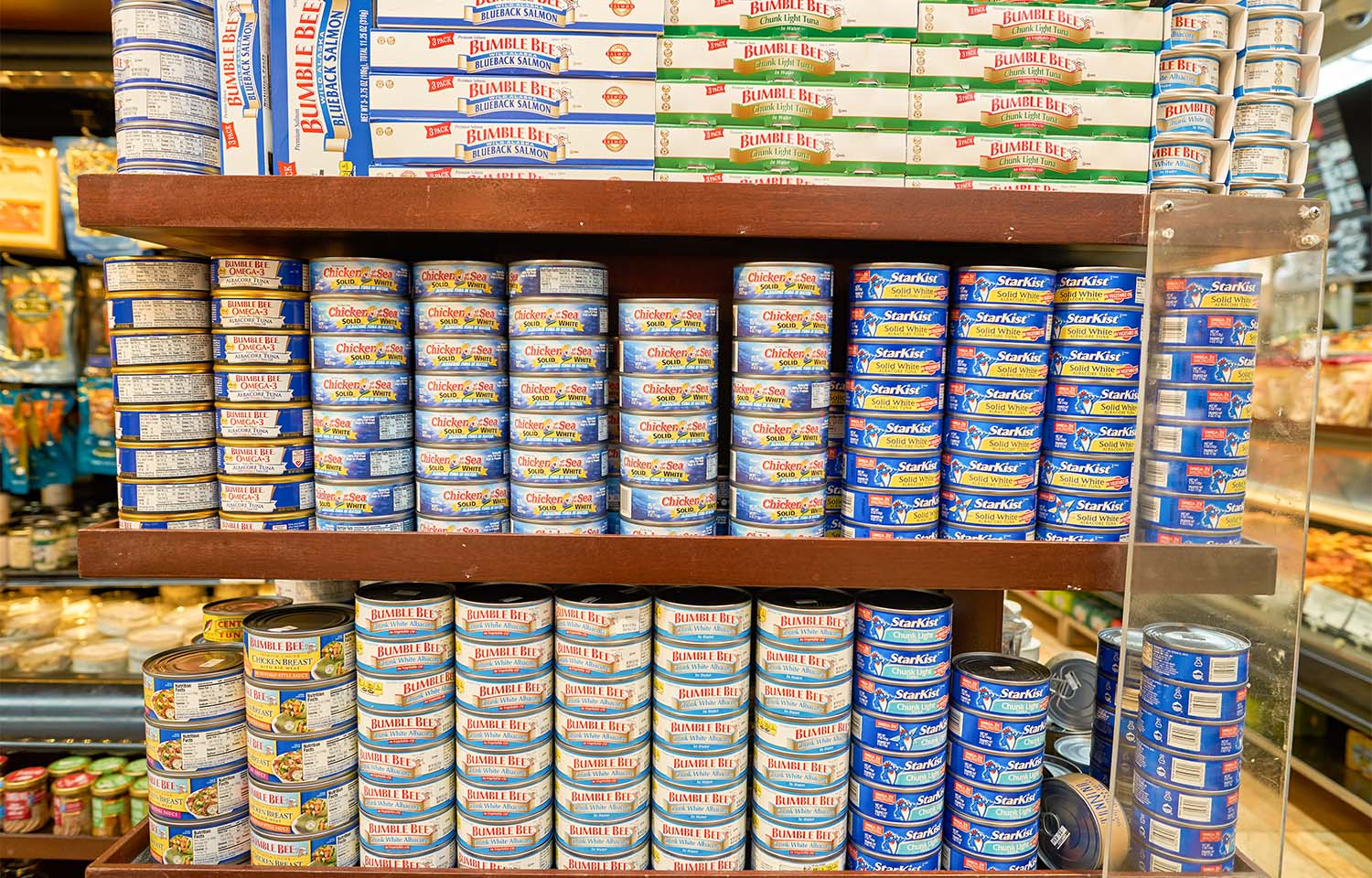
In ambient seafood, all species benefitted from the storm-related boost in sales, 210 Analytics Principal Anne-Marie Roerink said, with double-digit gains for sardines, salmon and all other cans and pouches. Overall shelf-stable dollar sales surged 13.5 percent to USD 389.1 million (EUR 328 million) in January 2026 versus January 2025, while pounds increased 5.1 percent.
Frozen seafood dollar sales also increased 4.5 percent to USD 860.7 million (EUR 727 million) largely thanks to price inflation as volume declined 3.8 percent. Fresh seafood dollar sales increased 3.7 percent to USD 856.6 million (EUR 723 million), while pounds stayed flat.
The fresh and frozen performance is likely due to big hikes in inflation in January – 4.1 percent for fresh seafood, 8.5 percent for frozen, and 8 percent for shelf-stable seafood.
“Across species, fresh shellfish and finfish prices averaged more than USD 10 (EUR 8.45) per pound in January. This is up about 30 cents from the full-year average, reflecting inflation acceleration in the latter half of 2025,” Roerink noted.
Fresh shrimp prices soared 17.3 percent versus last January, while fresh cod prices rose 11 percent, fresh salmon rose 3 percent, and fresh crab rose 8.6 percent. Despite the price hikes, fresh salmon sales value rose 8 percent and volume increased 4.9 percent, and fresh lobster sales value surged 14.5 percent while pounds soared 38.2 percent in January.
The fresh shrimp inflation and significant increase in prices impacted sales, however. Sales value declined 4.3 percent in January, while sales volumes dropped 18.4 percent.
Frozen shrimp prices also jumped 16 percent, which led to 10.7 percent drop in sales volumes in January. However, price increases offset that volume drop and sales values rose 3.8 percent, per Circana. Frozen salmon prices also rose 5.5 percent, but the increase had less impact on volume which rose 9 percent, resulting in sales values increasing 15 percent.
Frozen crab prices surged 15 percent, which impacted volume, declining 5 percent, while dollar sales rose 9.4 percent. On the other hand, frozen pollock prices fell 2.5 percent, leading to a 7 percent increase in volume and 4.3 percent increase in dollar sales.
While the seafood category experienced inflation across most species, overall food and beverage inflation eased to 1.7 percent in January, according to Circana, while the U.S. Bureau of Labor Statistics (BLS)’s Consumer Price Index (CPI) showed a 2.1 percent increase in food-at-home prices in January versus January 2025, and a 4 percent hike in food-away-from-home inflation.
The new data is “welcome news from the spike we saw in December and suggests that food price inflation continues to moderate, albeit on an uneven path toward the Federal Reserve’s 2 percent target,” FMI Vice President of Tax, Trade, Sustainability and Policy Development Andy Harig said in a release.
“We understand recent fluctuations are frustrating for consumers as they seek to stretch their grocery dollar. The food industry remains committed to keeping prices as low as possible for households across the country,” Harig said. Food retailers and supply chain partners will continue to prioritize value through offerings such as private brands, deals and promotions, and loyalty program discounts, “to ensure shoppers are able to purchase the products they need at prices that fit their budgets,” Harig added.
Overall retail sales and grocery food and beverage sales had “strong” year-over-year gains in January, according to the CNBC/NRF Retail Monitor from the National Retail Federation.
Total retail sales, excluding automobile dealers and gasoline stations, jumped up 5.72 percent in January versus last January and 0.2 percent from December to January, seasonally adjusted, per NRF. Sales at grocery and beverage stores surged 5.41 percent in January versus last January.
“Consumers demonstrated continued resilience in January, showing moderate spending growth on the heels of record-high spending during the holiday season,” NRF President and CEO Matthew Shay said in a release. “This was the fourth consecutive month that sales rose from the month before, and year-over-year gains were particularly strong. Consumer spending continues to drive the broader economy forward, supported by healthy household finances and real wage gains that have increased purchasing power.”
