



Wayzata, Minnesota, U.S.A.-based Cargill is a provider of aquaculture feed, operates 38 feed facilities in 20 countries, and is one of the largest suppliers of feed to salmon producers in Norway, Chile, Scotland, the U.S., and Canada. The company is also a leading supplier of feed to shrimp and tilapia farmers in China, Vietnam, and Thailand. In recent years, Cargill has continued to invest in aquaculture development by funding research on new feeds and increasing capacity with joint ventures.
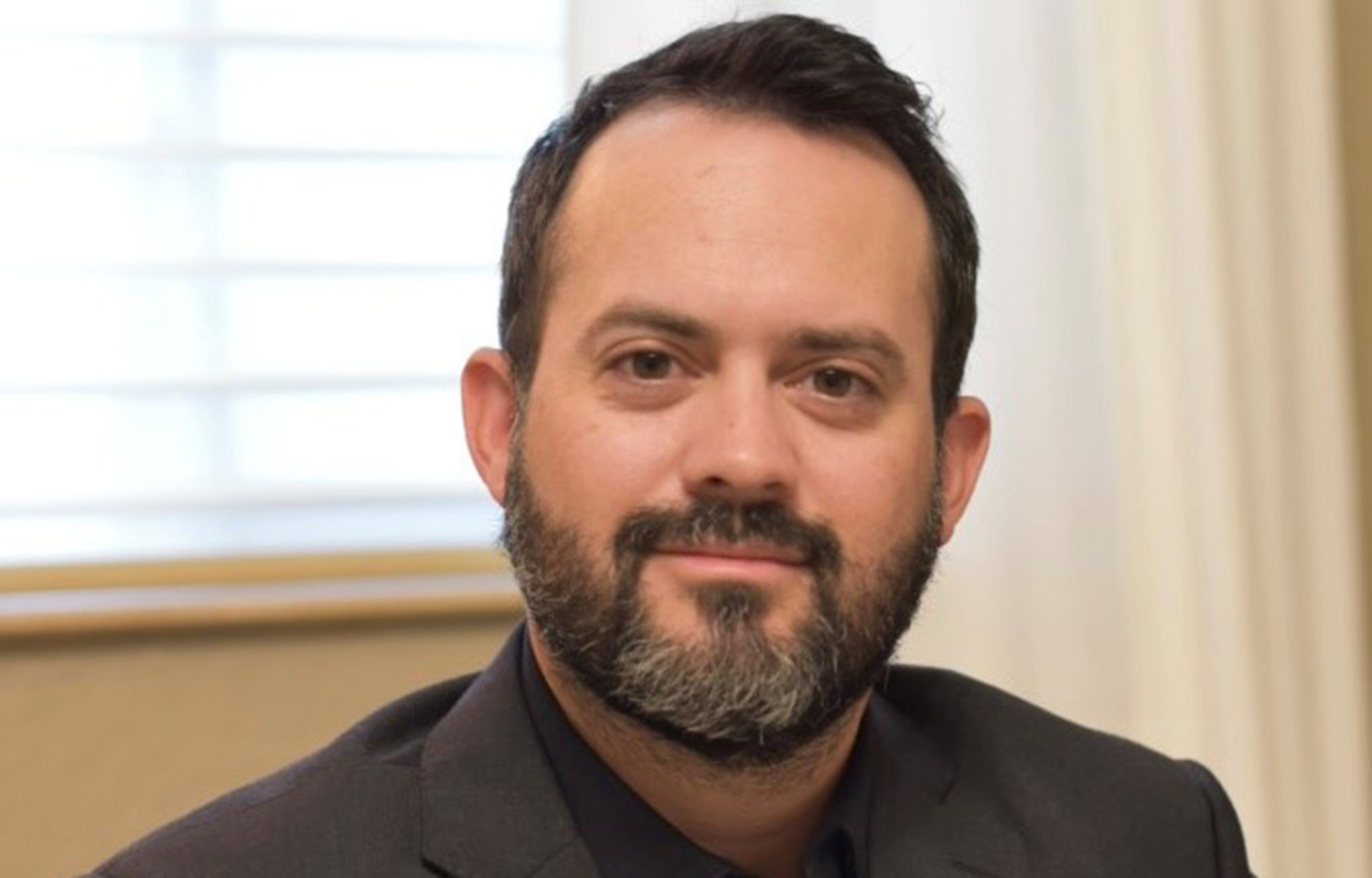
Rodrigo Navarro is the global price risk solutions lead for Cargill Animal Nutrition and Health, with responsibilities in risk management and sourcing. He has worked at Cargill for 13 years in trading and risk management and has an MBA in mergers and acquisitions and data analytics from the University of Illinois Urbana Champaign. He gave SeafoodSource an oiverlook of Cargill’s role in the seafood industry and its plans for the future.
SeafoodSource: The global aquafeed industry was unsettled in 2023, partially as a result of the cancelation of the Peruvian anchovy fishery. What is in store in 2024?
Navarro: Cargill is well-positioned to help customers navigate uncertainty, and we will continue to deliver on our sustainability commitments and nutrition in 2024, despite challenges faced by the Peruvian anchovy fishery.
We anticipate oceanic conditions and weather anomalies will continue to have an impact on all parts of the global supply chain and want to help our customers navigate through the uncertainty. Cargill continues to prepare for these types of events from various angles, including risk management, nutrition, and sustainability. We are also working with several origin countries to expand fishery improvement projects (FIPs).
SeafoodSource: The salmon and shrimp industries have both seen big growth in recent years. What are companies like Cargill doing to keep up with aquafeed demand?
Navarro: We’re taking several steps to address demand, including exploring novel ingredient sources, investing in new technologies, and sourcing sustainable raw materials. It starts with working with our customers to understand their feed needs and providing the right nutrition solutions and a tailored risk management solution approach.
Our commitment to sustainability is an important aspect of our business strategy, influencing decisions on how we balance animal health, performance, and environmental impact for the benefit of our customers and the planet. This includes partnering across our industry to explore innovative ingredients for both land-based and aquatic species to reduce our carbon footprint while meeting the increasing demand for protein.
SeafoodSource: Does the demand for terrestrial proteins like beef, chicken, and pork have any influence over how Cargill makes its decisions when it comes to manufacturing aquafeed?
Navarro: Just as in aquafeed, we look at a number of inputs, including risk management, nutrition needs, and sustainability.
SeafoodSource: In April 2022, Cargill took a 24.5 percent stake in Chilean salmon farmer Multi X. What benefits has Cargill gained from that relationship?
Navarro: At Cargill, we seek to be a differentiated leader in the seafood industry, combining innovation with operational excellence to enable greater affordability and integrity of supply chains for our customers and consumers. This partnership leverages our capabilities across the value chain, including consumer insights, culinary innovation, value-added processing know-how, risk management, and fish nutrition and health solutions. As a result, we hope to provide more customers and consumers with access to Multi X’s high-quality portfolio of private label and branded salmon products.
SeafoodSource: Cargill has consistently ranked highly in the World Benchmarking Alliance’s top-ranked companies in the Seafood Stewardship Index. Is this a point of pride for the company?
Navarro: Yes! Cargill is proud to score near the top of companies included in the Seafood Sustainability Index. But, there is still a lot of work to do to continue to improve. The SSI has been a good platform for assessing the performance and progress of the companies, setting clear key performance indicators (KPIs) for us. We continue to look at how we can improve on these KPIs, even though the SSI will no longer continue.
SeafoodSource: Which areas of the world is Cargill targeting for further development? Are there any announcements pending on new feed plants you’re willing to talk about?
Navarro: My responsibilities are in risk management and sourcing, so I’ll focus on the sourcing side of the supply chain. At Cargill, we have embraced innovation in ingredient sourcing, notably incorporating novel sources such as insect protein to address current challenges. Recognizing the environmental benefits, we partnered with Innovafeed to introduce ingredients like black soldier fly larvae. The larvae yields high-quality protein and fatty acids with minimal land, water, and resource usage.
Meanwhile, the list of novel ingredients continues to grow, and it’s exciting to think about how it will evolve in the years to come. In search for innovation in ingredients and ingredient sourcing, we started a collaboration with Houdek, a U.S.-based company, to introduce Me-Pro, a low-carbon soy protein concentrate crafted through precision fermentation. Their innovative process involves utilizing non-genetically modified soy, addressing the limited U.S. supply. Me-Pro, Proterra-certified, serves as a 100 percent compatible alternative to Brazilian soy. We are excited about this partnership and the potential of precision fermentation to upcycle traditional plant proteins into more usable feed ingredients.
This shift in ingredient sourcing is not just a change but a strategic evolution in our purchasing approach. By exploring sustainable alternatives and capitalizing on circular processes, such as using insect compost as fertilizer for arable land, we are laying the building blocks for a more resource-efficient future. This aligns with our commitment to sustainability and helps our customers meet their own sustainability goals.
SeafoodSource: Is Cargill still investing in fermentation-based feed options?
Navarro: Fermentation technology is a core capability of Cargill Food and Bio (CFB) and something Cargill continues to grow and advance. As an example, CFB recently launched a new shrimp feed ingredient called Motiv, a new bioactive protein that creates a better environment in the shrimp gut, increasing the energy uptake of the diet, as well as the example of Me-Pro outlined above.
Photo courtesy of Cargill
