





Plans by Zambia and Uganda to scale up their aquaculture production volumes have received a major boost after Africa’s biggest aquaculture firm, FirstWave Group, signed an agreement with genetics and breeding company Xelect Genetics to develop high-performance tilapia breeds in the two countries.
FirstWave Group – which owns Yalelo Zambia, Yalelo Uganda, and Aller Aquer Zambia, and has previously expressed commitment to continue delivering “on improved product affordability, availability, and quality” – said the agreement covers Nile tilapia in the two countries, which currently rely on imports to meet local consumption demands. The new agreement adds to Xelect’s efforts in Africa, where the company already has a partnership with Msingi East Africa Ltd. to address poor tilapia yields via genetic technology.
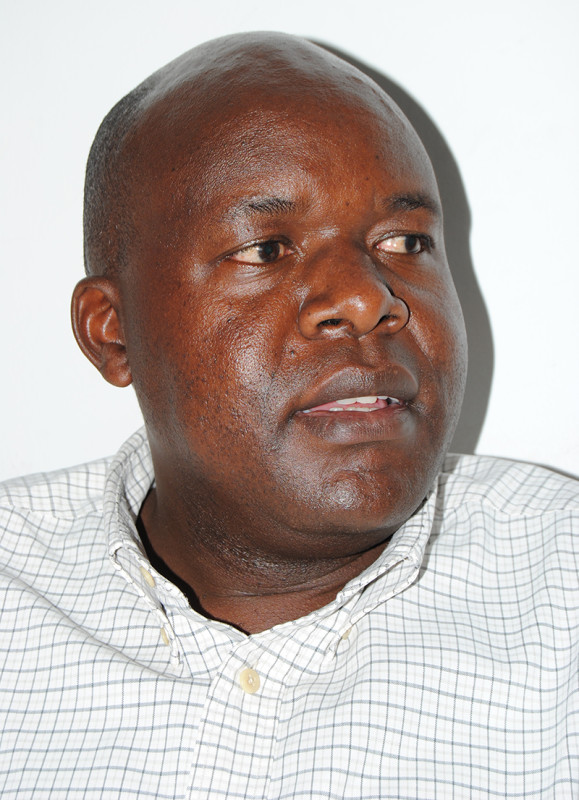
FirstWave Group Co-Founder and Co-Chief Executive Officer Tembwe Mutungu said in a press statement the new program will “allow us to breed tilapia pedigrees adapted to our local production environments, while avoiding the use of foreign genetics that present a risk to ecological balance.”
“We are excited to partner with Xelect as they apply their global expertise and cutting-edge, data-driven tools to our local husbandry practices in Zambia and Uganda,” he said. “This strategic partnership will enable FirstWave to bring a data-driven solution to its breeding management as the business continues to pursue ongoing improvements in cost leadership and production efficiency.”
Xelect Genetics CEO Ian Johnston said the company expects to see “more producers realize the value of harnessing natural genetic variation to create the best possible fish for local conditions and believe this will become a flagship example of best practice.”
FirstWave Group, which is eager to entrench precision aquaculture farming among its affiliates, has continued to increase its investments in aquaculture in Zambia and Uganda, where the respective governments are currently implementing programs to boost fish output to meet local consumption demand, revamp exports, and reduce seafood import bills.
Zambia imports an estimated 50 percent of its fish consumption requirements, which cost an estimated USD 367 million (EUR 301 million) in 2019, according to USAID. This was a 15-fold increase in imports over a decade according to the agency.
FirstWave’s investment in Uganda fits well into the landlocked country’s aquaculture growth plan, which targets at least 31 districts identified by the Ministry of Agriculture, Animal Industry, and Fisheries as “suitable for fisheries and aquaculture development based on both natural and socio-economic factors.”
Photo courtesy of FirstWave Group
