

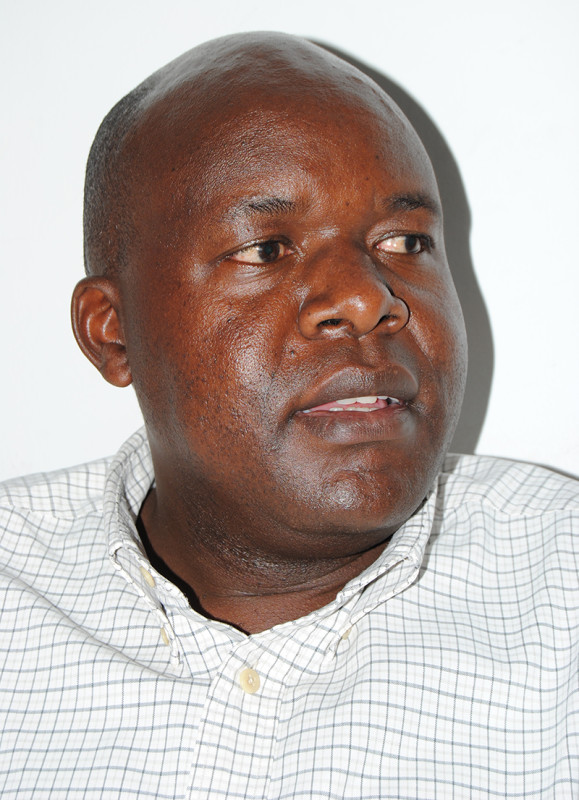
Cape Town, South Africa-based seafood company Sea Harvest Group has reported a mixed set of results for the first half of 2020, recording a drastic decline in its aquaculture performance and gains from its South African fishing operations.
Sea Harvest Chairman Fred Robertson and CEO Felix Ratheb said in a joint statement released on 1 September that the firm’s aquaculture earnings were pushed down by 63 percent to R 15 million (EUR 762,157 USD902,348) compared to ZAR 40 million (EUR 2 million USD 2.4 million) for the same period in 2019.
“The aquaculture segment has been a major casualty of COVID-19, with companies in the abalone sector facing a ‘perfect storm’ since the beginning of 2019,” they said in the new report outlining the unaudited results for the first half of 2020 ended on 30 June, 2020.
An extended red tide and political tensions in the Far East that had initially started paving way for the aquaculture segment to pick up again in late 2019 coincided with the detection of COVID-19 in China and Hong Kong that triggered “a complete lockdown and the closure of all live trade into the region.”
“As China and Hong Kong started to emerge from the crisis, the virus spread to most parts of the world, leading to a lockdown in South Africa and a near-cancellation of all flights out of South Africa, hampering exports,” the two officials’ statement said.
The pandemic, which by 5 September had infected 636,884 people and killed 14,779 in South Africa, adversely affected Sea Harvest’s oyster and mussel operations.
Moreover, the complete lockdown of the key Sea Harvest markets of Italy, Spain, and China pinned down the performance of the group starting in early January 2020. However, Sea Harvest’s revenues were up 7 percent during the first half of the year compared to the same time period last year, with the South African fishing segment posting a 7 percent increase to ZAR 1.29 billion (USD 77.6 million, EUR 65.5 million) from ZAR 1.21 billion (USD 72.8 million, EUR 61.5 million) in 2019.
With headline earnings remaining constant at ZAR 170 million (USD 10.2 million, EUR 8.6 million), Sea Harvest, which spent ZAR 16.7 million (USD 1 million, EUR 849,000) on direct COVID-19-related costs, reported a 4 percent drop in profit before tax to ZAR 155 million (USD 9.3 million, EUR 7.9 million), down from the previous year’s ZAR 161 million (USD 9.7 million. EUR 8.2 million).
As Sea Harvest looks into the future, the company said it is not easy to predict which direction markets are likely to take, despite indications the situation is settling since the first coronavirus outbreak in December 2019. The company said it had noticed signs people may finally be accepting the reality of living with the virus as a norm.
“It is difficult to estimate the impact of the pandemic on the supply chain and the markets,” Robertson and Ratheb said. “The situation is fluid as various markets reestablish different lockdowns on the back of second or third COVID-19 outbreaks or indeed, lift lockdowns on the back of recoveries.”
Photo courtesy of Sea Harvest
