





The fallout from two high-profile incidents of COVID-19 being linked to seafood sold in China has contributed to a shift in the way online business-to-business seafood seller Gfresh approaches the Chinese marketplace.
Gfresh, founded in 2014, has built out a unique import system that allows businesses in the cities it operates to buy a little as a single box of product at wholesale prices.
However, Anthony Wan, CEO of the Shanghai-based firm, told SeafoodSource the Xinfadi market outbreak, falsely tied to imported salmon, and reports of COVID-19 being found on Ecuadorian shrimp packaging, significantly affected his company. Gfresh’s Chilean, Norwegian, and Australian suppliers all reduced their export prices when demand for salmon fell “dramatically” and restaurants like Japanese sushi stores were prohibited from serving salmon, said Wan.
“The price cuts were further compounded by lower demand in other key markets like the U.S. and Europe, which were dealing with their own pandemic problems,” he said.
Even at lower prices, demand for imported seafood in China has remained subdued, Wan said.
“Some suppliers had no choice but to freeze and store their salmon,” Wan said. “Gfresh was heavily impacted by these outbreaks as salmon and shrimp, are two of our key products by volume. Our import volumes fell considerably.”
Adding to the challenge, heightened China Customs inspections “extended the customs clearance time by several days, which severely impacted the quality and shelf-life of fresh salmon,” Wan said.
“Delays with customs inspections made trade very difficult,” he said.
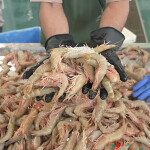
The Ecuadorian shrimp situation was different to the Xinfadi outbreak, as it was confirmed that small traces of COVID were detected on product packaging. These mainly affected the Tianjin and Shenzhen markets, Wan said.
However, imports of Ecuadorian shrimp have started to recover faster than salmon imports, due to a perceived lower risk of coronavirus (as shrimp is consumed cooked, whereas imported salmon is largely eaten raw) and a shortage of current stock levels, Wan said.
“Price has started to rebound and we expect this will continue unless a further outbreak is detected,” Wan said. “In contrast, the market for salmon has seen a slower recovery … There is still fear among Chinese consumers that consuming raw salmon could expose them to COVID.”
To adapt to the challenges posed by COVID, Gfresh has switched focus from the traditional wholesaler market, which has been significantly impacted by these outbreaks.
“We’ve used these disruptions as the catalyst to accelerate our expansion into new sales channels that have seen growth despite the pandemic,” Wan said. “Specifically, Gfresh is now serving far greater numbers of restaurants, retailers, and direct-to-consumer platforms such as online retailers, social group-buying apps, etcetera. Over the past few months, we’ve seen strong growth in these new sales channels and anticipate the trend to continue well into the future.”
Wan said Gfresh will focus on further expansion into new sales channels within China while investing in its own e-commerce and cold chain fulfilment infrastructure.
“We will generate consistent sales for our global seafood suppliers,” he said.
