


The vast majority of stocks in the Northeast Atlantic Ocean are not meeting targets set over a decade ago that aimed to forecast healthy populations, despite fishing operations mostly hauling in catch in alignment with scientific advice, a new report finds.
The first “Quality Status Report” released by the Convention for the Protection of the Marine Environment of the Northeast Atlantic (OSPAR) since 2010 outlines the environmental status of stocks in the region based on over 120 individual assessments and 400 expert analyses.
The report highlights that regardless of progress in certain areas, human activities continue to elicit habitat degradation, weakened marine ecosystems, declines in biodiversity, and reduced adaptability of ocean flora and fauna to respond to climate change and ocean acidification.
OSPAR, which is an organization that aims to safeguard the Northeast Atlantic marine environment and comprises 15 E.U. member states, set targets in 2010 for coastal, demersal, pelagic, and deep-sea species in the Greater North Sea, Celtic Sea, Bay of Biscay, and Iberian Coast regions – but those species failed to reach healthy status in those areas and the wider Atlantic region over the past 13 years, according to the latest report.
“Although the majority of fish stocks is better managed now than 20 years ago in the OSPAR area because they are fished within sustainable limits, ecosystem impacts still remain significant and are not addressed,” The Pew Charitable Trusts International Fisheries Manager Jean-Christophe Vandevelde said.
Vandevelde emphasized the need for the fishing industry to broaden its perspective beyond the traditional objective of simply fishing at maximum sustainable yield, as continual degradation of seabeds can harm fishery productivity, aquaculture production, nursery habitats, tourism, water quality, and food webs.
“Fisheries managers manage their stocks through a stock lens, so if the stock is doing well, everything is fine,” Vandevelde said. “What the report says is that view is not sufficient, and we need to look at the impact the fishing activity has on the ecosystem because [there has been a] decline of a lot of indicators. For example, the average length of fish is diminishing, and the state of food webs is concerning.”
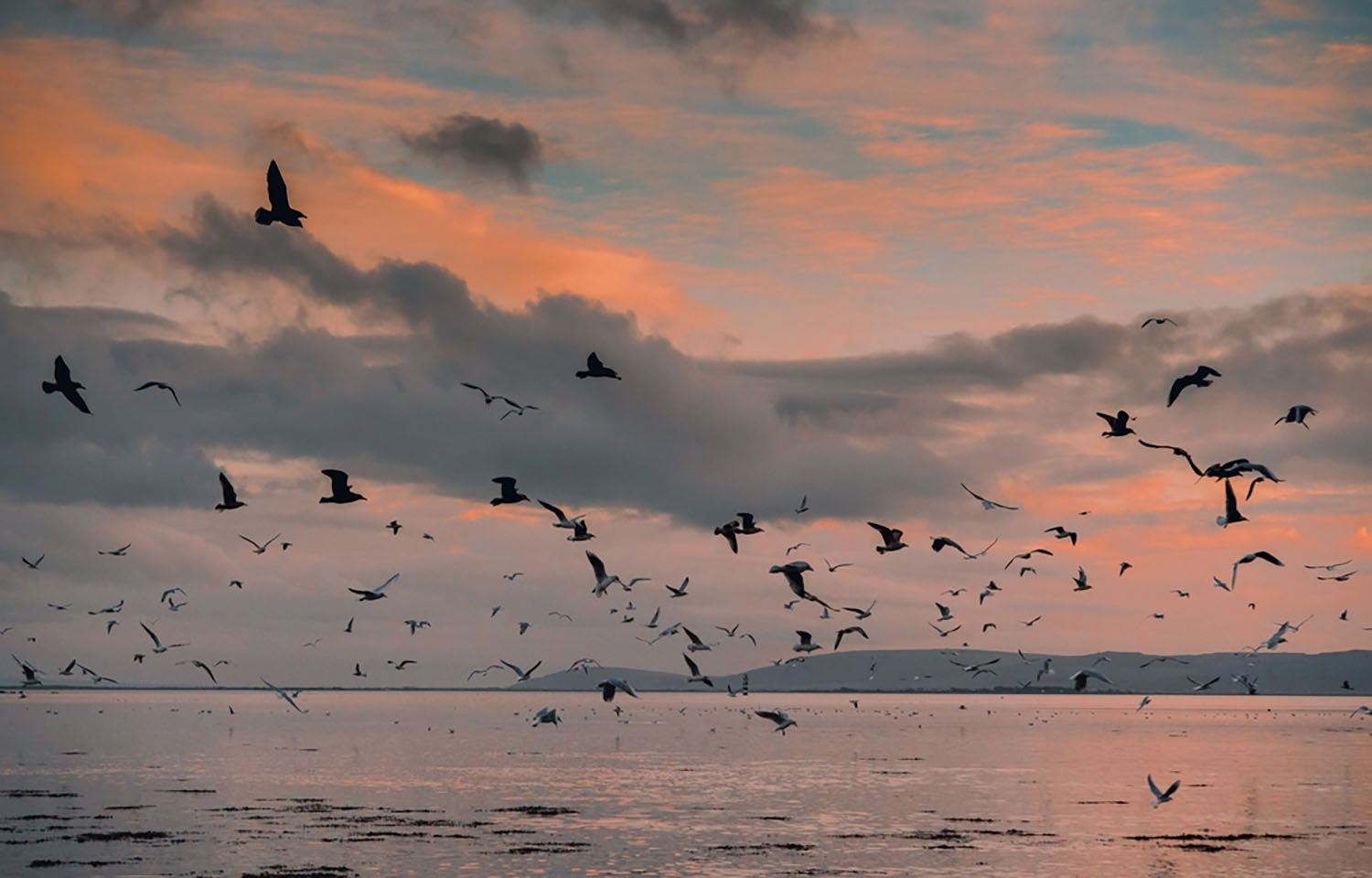
One out of several crucial indicators that tipped experts off that food webs were being significantly impacted by scant fishery management has been seabird populations. Declining seabird populations directly reflect the availability of prey, signaling insufficient food sources for the entire ecosystem.
Additionally, across the marine area OSPAR oversees, phytoplankton and zooplankton have declined in population, raising concerns that this decrease will resonate up the food chain. Further, marine mammals are subject to significant pressure from natural and human causes, especially from increasing noise pollution, while eutrophication continues to persist in some coastal areas and river plumes.
Pew Charitable Trusts recommends altering existing fishery management strategies to incorporate both the traditional goal of sustainably catching target species while simultaneously addressing fishery impacts on ecosystems, aligning with international commitments such as the Kunming-Montreal Global Biodiversity Framework.
“Ecosystem-based fisheries management is not only about impacts of fisheries on the ecosystem; it’s also about ecosystem factors influencing the fisheries,” Vandevelde said. “You need to have fisheries managers who request these models from scientists. Requests from the managers are not going fast enough in that direction, requesting comprehensive scientific advice on ecosystem considerations.”
The report did, however, mark some progress in OSPAR’s jurisdiction. There were declines in hazardous substances entering the ocean, lower amounts of floating marine litter, healthy gray seal populations, an expanded network of marine protected areas, and measures taken to protect coldwater coral reefs.
Nevertheless, the report stressed that these improvements need to continue and even accelerate to ensure measurable enhancements.
Photo courtesy of mark gusev/Shutterstock
