




China has slapped bans on four seafood firms preventing them from shipping into China due to what Chinese Customs said is the detection of COVID-19 on packaging.
The bans – on companies from Japan, Myanmar, Pakistan, and Peru – come as the head of the World Health Organization has said that China’s zero-COVID policy is not sustainable given how rapidly the virus is morphing into new variants.
WHO Director-General Tedros Adhanom Ghebreyesus said at a 10 May media briefing increased knowledge about the virus and better tools to combat it have given China the ability to change its approach to COVID-19, according to Reuters.
"We don't think that it is sustainable considering the behavior of the virus and what we now anticipate in the future," Ghebreyesus said. "We have discussed this issue with Chinese experts. And we indicated that the approach will not be sustainable ... I think a shift would be very important."
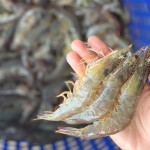
A four-week ban has been placed on shipments from Lima, Peru-based Corporacion Refigerados INY SAC after what Chinese Customs said was the detection of COVID on packaging covering a batch of its vannemei shrimp.
A four-week ban was also placed on Yangon, Myanmar-based shrimp exporter Myint Myat Hein Co. and Karachi, Pakistan sole exporter M/S Superstar Enterprises. A one-week ban was given to Hokkaido, Japan-based frozen shrimp exporter Yamamura Suisan Kakou Co.
The bans are applied under Rule 103 published by China in 2020, which set out a rigorous checking, testing, and disinfection regime for cold chain food imports.
With much of Shanghai in lockdown for nearly a month and China’s government placing 30 other cities in various levels of lockdown, some citizens are expressing mounting frustration over China’s rigid health controls.
However, a recent study published in Nature by researchers from Shanghai’s Fudan University suggests that up to 1.6 million would die from an unchecked wave of omicron variant in between May and July 2022. This is reflective of low rates of vaccination among elderly Chinese as well as an under-resourced health service, particularly in poorer and rural areas.
Photo courtesy of canghai76/Shutterstock
