





Americans are confused about what makes a food “sustainable” and only 19 percent have a lot of trust in the food and beverage industry to do what’s right, according to a new survey.
At least one in four consumers don’t know what makes products in the food and beverage industry sustainable, according to a Morning Consult survey.
“A general lack of knowledge around where our food comes from and how it gets to our tables contributes to this lack of awareness about sustainability. Most consumers in the United States are far removed from the origin and processing of the foods they eat,” Morning Consult said. “Thus, many people are not familiar enough with every step of the process to have an opinion on what companies can do to make more sustainable products.”
Consumers most closely related sustainability to a product's packaging, with the survey strongly linking efficient, low-waste packaging with their judgment of a company's commitment to sustinability.
The survey further found that consumers expected companies to shoulder the cost of sustainable initiatives, though 42 percent of those surveyed said they were willing to split the cost.
Separately, an independent GlobeScan survey conducted for the Marine Stewardship Council found that many “climatarian” shoppers are changing their buying habits to support ocean health.
The survey found that consumers globally are increasingly changing their diets for environmental reasons as concerns over climate change grow, MSC said in a press release.
Thirty-one percent of global respondents who said they changed their diet in the past two years did so for a variety of environmental reasons, the survey found. Seventeen percent made the change in order to eat more sustainably sourced food, 11 percent aimed to reduce climate change impact, and 9 percent wanted to protect the oceans.
Californians represented the highest number of consumers who changed their diets for environmental reasons at 40 percent, and Pacific Northwesterners were not far behind at 39 percent.
In addition to the environmental worries causing consumers to change buying habits, rising food costs and overall inflation are new concerns shaping purchasing decisions, MSC noted.
Over the past year, the price of groceries has ramped up 13.5 percent in the United States, according to the Consumer Price Index, with a further 4 percent increase expected by December 2022 for food-at-home prices, according to MSC.
"Today's consumers are challenged by what may seem like competing priorities: shopping to decrease impact on the environment, purchasing healthy options, and staying on budget,” MSC U.S. Program Director Nicole Condon said. “It's important for shoppers to know that these purchase drivers don't have to be at odds. Look for the MSC blue fish logo on seafood products at a variety of price points to know that the seafood was caught in an environmentally sustainable way.”
Eco-labels, such as the blue tick market awarded by MSC, raise trust among shoppers in the brands that carry them according to GlobeScan survey. Nearly half (46 percent) of those surveyed said they have a high level of trust in MSC claims.
“When shoppers see the MSC blue fish label on seafood products, it means that extensive legwork by independent third-party auditors against the MSC standards has already been done, with final checks and assurances by the MSC before the logo is placed on a product,” MSC said.
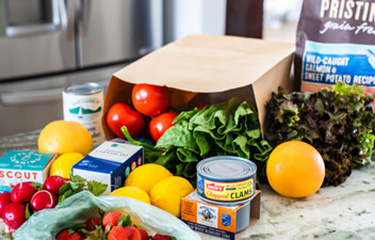
Photo courtesy of Marine Stewardship Council/Anthony J. Rayburn
