





Chinese seafood processors remain under pressure due to COVID-19 lockdowns and higher raw material rates, even though freight rates have eased slightly.
“The situation is still challenging as the COVID control measures are still restricting the raw material imports as well as the factory’s production capacity,” a processor in northern China told SeafoodSource, on condition of anonymity.
The executive said delays were being caused by what he termed the “closed-loop operation system” required by Chinese authorities to limit COVID infections. Half of the centralized disinfecting warehouses for cold-chain imports in Qingdao have been shut since July after a disinfecting cold-storage worker contracted COVID, according to the executive.
Chinese importers are required to bring imported seafood to centralized warehouses for COVID checks and disinfection of packaging before produce is released to importers, the executive said. That has offset a recent drop in shipping rates.
“Ocean freight dropped a bit, but it is not helping much compared to [these] other factors, the executive, based on the northern Chinese coast, told SeafoodSource.
Cod and haddock prices remain high, affirmed the Chinese executive, but have “stabilized somewhat in the last few months as Norwegian is out of the season.”
While market demand “seems all right,” companies are “worried about the coming impact by the high inflation and act cautiously,” the executive said.
Challenges from high logistics costs could be here to stay, according to Iceland Seafood Director of Sales for Frozen Groundfish Bjorn Marius Jonasson said. Jonasson, a seasoned observer of the international processing market, said the model of long-distance ocean freight and trucking “no longer makes sense.”
“While availability is better right now, prices have not changed, summers are slow in seafood, but I don’t see any change that matters,” Jonasson told SeafoodSource.
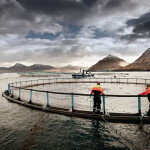
Photo courtesy of Bartosz Luczak/Shutterstock
