



The Spanish tuna sector has faced a “complicated” year due to the COVID-19 pandemic, and 2021 stands to be no better, according to the Atunlo Operations Director Alberto Gros.
Vigo, Spain-based Atunlo, a joint venture between the Spanish fishing firms Inpesca, Pevasa, and Coper, is a wholesaler of frozen seafood for the food industry. It was formed in 2007 to consolidate the companies’ management, marketing, and sales capacity.
A range of complications brought on by the pandemic, including the difficultly in reaching some ports and in changing out crews on its tuna-fishing boats operating overseas, significant cutbacks in commercial airfreight availability, quarantine and lockdown periods across Europe, a contraction of the foodservice sector, and the additional expense and effort of ensuring the safety of its employees, have made business conditions difficult for Atunlo and other Europe-based tuna companies, Gros said in comments sent to SeafoodSource.
Additionally, stiff competition from Asia, “where there is a fleet that does not operate with the same standards of social sustainability and which has continued to supply the market at a time of contraction in consumption in the [hotel, restaurant, and catering] sector,” has made it challenging for Atunlo, Gros said. And he said next year is expected to be more of the same.
“Fishing and producing with the appropriate safety standards that the pandemic requires, translates into an increase in costs that is increasingly difficult to transfer to the market, which in the meantime is supplied from other origins with more lax standards,” he said.
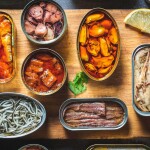
A bright spot for Atunlo has been its launch of a value-added frozen tuna line designed for the retail sector, which was unveiled in July and which the company hopes to expand over the coming months and years, Gros said.
“In this first phase, we have launched the following formats, which are best suited to current consumer demand for natural tuna products: Tuna Steaks, in both individual and family formats; Tuna Tataki for international cuisine lovers; Tuna Chunks for stews and rice dishes for more traditional recipes; Tuna Cubes perfect for skewers and grilled recipes,” Gros said. “With these formats, we want to offer consumers cuts that adapt to their cooking style and current needs.”
The new line is being produced at Atunlo’s facility in Cambados, Spain, which received significant investments to upgrade its capabilities to produce a complete line of processed raw tuna products, according to Gros.
Gros said Atunlo guarantees its products meet “the highest fishing, social, and environmental standards,” but that it has been an uphill battle to convince European consumers to pay a premium for that guarantee.
“The European tuna sector has made great efforts in the search for sustainable fisheries. All the fleet and the industry are governed by the strict requirements set by the
International Seafood Sustainability Foundation – for example, a part of the fleet is already [Marine Stewardship Council]-certified and the rest is in the process of certification,” Gros said. “However, our market does not know and at the moment does not seem to value the high social and environmental standards that the European fleet and industry fulfill.”
Gros said educating consumers of the importance of supporting these standards will be his company’s defining challenge in the future.
“Our main challenge for 2021 is to convey this message to the market: fishing and producing in a sustainable way, not only from a fishing point of view but also from a social standpoint, is not significantly more expensive, but it does have a cost that we must put into value,” he said.
Photo courtesy of Atunlo
