






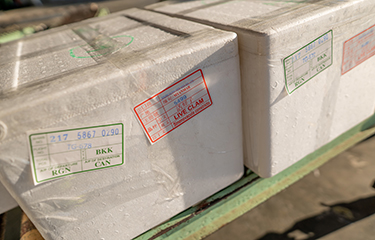
Beijing, China-based seafood marketing consultancy Seabridge is predicting bullish growth for China's seafood import value in the coming years.
Seabridge has predicted inbound purchases will recover back to USD 15 billion (EUR 14.7 billion) in 2022 – close to the country’s all-time high value of USD 15.4 billion (EUR 15 billion) in 2019. That figure is nearly double the 2017 total.
The COVID-19 pandemic caused a contraction of imports in China, but in 2021 imports of seafood – the figures exclude fishmeal and fish oil – were worth nearly USD 14 billion (EUR 13.8 billion), ranking China second only to the U.S. in terms of value.
In a new research report, Seabridge predicts the value figure will hit USD 17 billion (EUR 16.6 billion) in 2024 based on strong domestic demand, with the assumption COVID-19 will be controlled and the Chinese economy will continue to post strong growth.
Seabridge predicts growth for U.S. seafood imports into China, estimating the value will increase from USD 975 million (EUR 955 million) in 2021 to USD 1 billion (EUR 980 million) in 2022, and further increase to USD 1.05 billion (EUR 1.02 billion) in 2024. However, that level of growth suggests Chinese commitments to buy more U.S. seafood may continue to go undelivered.
The Seabridge report is projecting that Ecuador’s seafood shipments to China will go from USD 2.3 billion (EUR 2.25 billion) in 2022 to USD 2.4 billion (EUR 2.3 billion) in 2024. Imports from Russia will grow from USD 1.8 billion (EUR 1.76 billion) to USD 1.9 billion (EUR 1.86 billion) in the same timeframe, and Canadian imports will increase from USD 1.2 billion (EUR 1.17 billion) to USD 1.6 billion (EUR 1.5 billion).
Ecuador has become China’s top supplier in value terms through the remarkable growth of its shrimp exports, but Seabridge projects limited future growth due to the “small geographic size” of Ecuador and the fact that its aquaculture industry is nearing its maximum sustainable levels of production.
Likewise, the Seabridge report is projecting a leveling-off of imports from Russia, in large part because of Russian efforts to build processing plants will cut down the country's reliance on China's processing and reexport infrastructure.
The Seabridge report is optimistic in the face of economic challenges currently facing China. The country’s currency has slipped in strength against the dollar in recent months as investors cool on China's prospects for growth, in part because of the frequent lockdowns stemming from the government’s zero-COVID policy. China is also struggling with a debt-troubled real estate sector and unpredictable regulatation of China's internet economy.
Photo courtesy of Wirestock Creators/Shutterstock
