






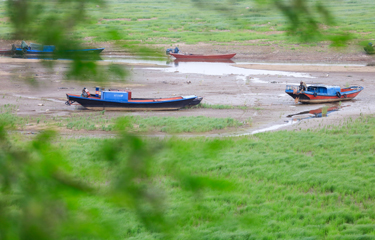
Two months of drought and high temperatures have forced some southern and central Chinese cities to ration power to non-residential facilities, with aquaculture and seafood-processing firms facing disruptions to their operations.
With electricity generation from hydropower cut due to low water levels, China has been forced to ration power to industrial and agricultural customers. At least 244 cities across China saw temperatures above 40 degrees Celsius in a one-week period in mid-August, and rivers in the country’s southwest have reached record low water levels. Poyang Lake, China's largest freshwater lake, has shrunk by 75 percent amid the drought and heat, and farmers in central China have lost livestock and crops due to the heat.
The heat has impacted the Yangtze delta and central China the most – key sources of crayfish and fish species sold in China’s domestic market. However, Fujian, Guangdong, Guangxi, and Hainan provinces – where there is a concentration of production of export-focused species including tilapia and shrimp – have been less impacted by extreme heat, according to a Chinese seafood exporter.
The average tilapia price in Guandgong dropped sharply in May to July period, now averaging CNY 7.70 per kilogram (USD 1.15, EUR 1.15) in the local market for 500- to 800-gram fish, which is lower than the cost of production, according to the Chinese exporter, who requested anonymity.
“Most people believe tilapia fish prices might go up in the coming two to three months, as farmers will be farming less fish due to losses,” the exporter said.
Photo courtesy of humphery/Shutterstock
