

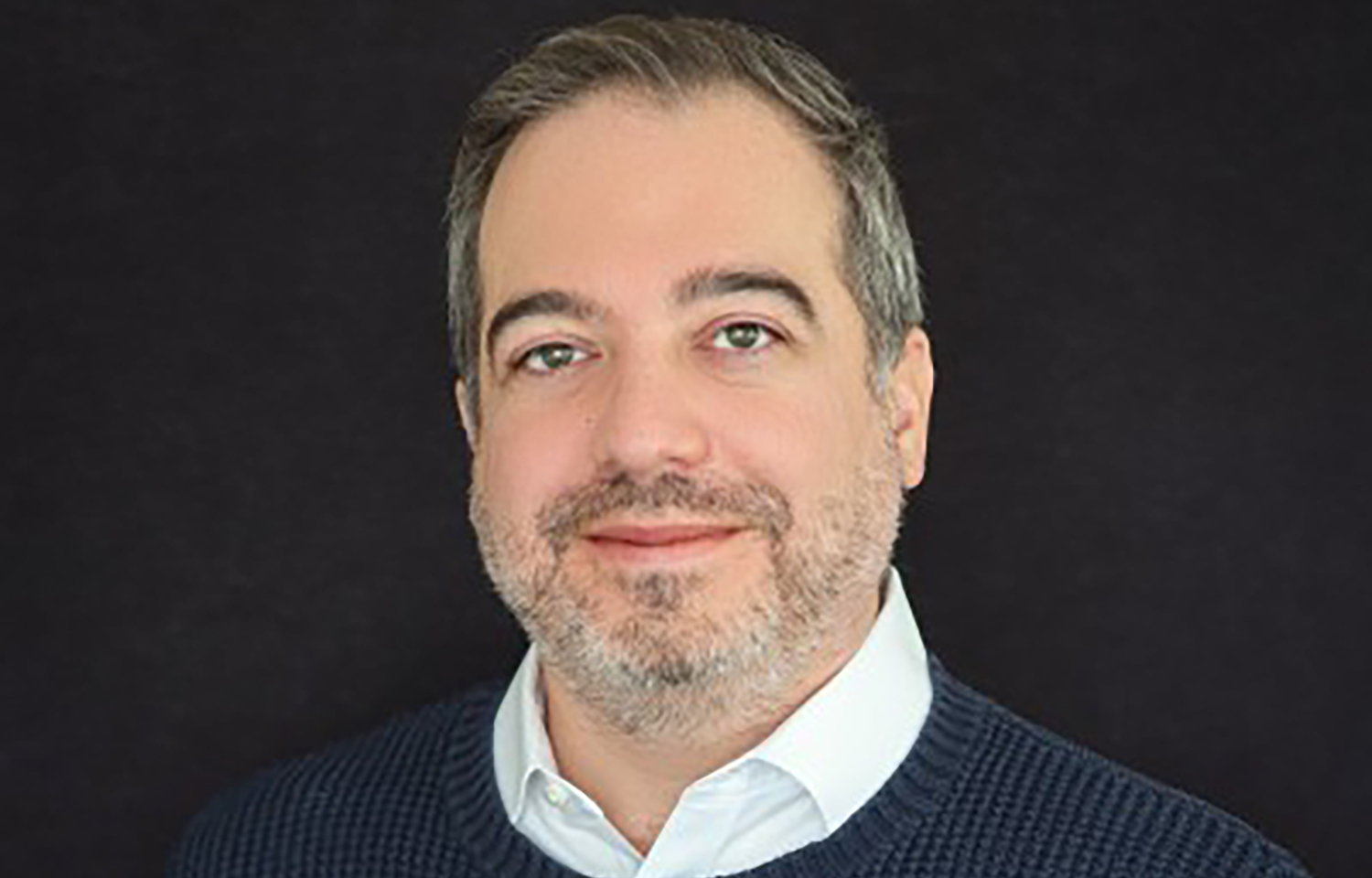
Tom Zaffiro, the CEO of Braintree, Massachusetts, U.S.A.-based seafood-processing company Channel Fish, is largely unshaken by the uncertainty currently facing the U.S. seafood industry.
Uncertainty, Zaffiro told SeafoodSource at the 2025 Seafood Expo North America, held 15 to 18 March in Boston, Massachusetts, is part of any lasting business’s story.
“The company has been around since 1946, and before I was born, we faced a lot of turmoil,” he said. “The first [instance of] turmoil I can remember [my dad] talking about was [when] my grandfather’s brother bought fishing boats in Boston, and he almost bankrupted the company. He didn’t have a family member or an inside person on the boats, and a lot of fish was stolen to the point where we had to sell the boats after about two years.”
Challenges came for the next generation, too, Zaffiro said.
Two of the biggest hurdles the company has ever faced came during his father’s tenure as CEO: the loss of 200 miles of fishing grounds to Canada in the 1970s and the collapse of the Northeast Atlantic’s cod fishery in the 1990s, which abruptly reduced fishing quotas.
“Traditionally, the company would get access to unlimited amounts of Atlantic cod and haddock landings, [but after the fishery collapse], it went down to almost nothing, and that still is kind of the case today,” he said. “So, that forced us, even going back to the ‘90s, to try to diversify the business and the products we sell.”
That diversification ultimately paid off, despite how challenging it was at the time, and watching his father withstand major headwinds has given Zaffiro the confidence to navigate the challenges currently facing the U.S. seafood sector. In fact, he said, the uncertainty over how U.S. President Donald Trump’s tariffs will be implemented has produced some novel opportunities for Channel Fish.
“When the tariffs go in place, as a U.S. manufacturer, you kind of figure some opportunities will pop up. This time around, we didn’t have a ton of time [to plan]; we couldn't really strategize for months on how things were going to unfold,” he said. “What we’ve seen happen is people processing in Canada and Mexico coming and looking for U.S. partners to pack for them. It’s generated some positive business leads, and they’re pretty large. People are looking to completely get out of Canada or completely get out of Mexico.”
Zaffiro explained the biggest challenge to overcome right now is not knowing how long these opportunities will last.
“Longer term, after the Trump term is over, what happens after the next four years?” he said. “If I knew today that tariffs against Asian companies in Canada and Mexico would last a decade, I would probably go spend a lot of money on robotics and automation.”
On 24 April, the Trump administration’s tariffs on China stood at 145 percent, with some products subjected to an even higher 245 percent rate, though both Trump and U.S. Treasury Secretary Scott Bessent have said in recent days that they expected that number to be reduced significantly via cooperation between China and the U.S.
In a conversation with the White House press pool on 23 April, Trump admitted that the 145 percent tariff was unsustainable but maintained that the rate on Chinese goods “won’t be zero.”
While a clarified tariff policy would affect how Zaffiro approaches Channel’s growth strategy, he said that his company had – through diversifying its offerings and products such as through its recent foray into retail – learned to adapt. His confidence has led him and Channel Fish to make big investments in personnel as the company has expanded.
Prior to Zaffiro taking over the CEO role from his father in 2020, Channel was still an extremely slim operation.
“We didn’t have an HR person,” Zaffiro said. “Making the leap and becoming a big company is [about] making sure not everyone’s wearing nine hats. The focus for about the last five years of the company [has just been] building a team of really good people. That’s … what I attribute a lot of the success of the company to.”
