






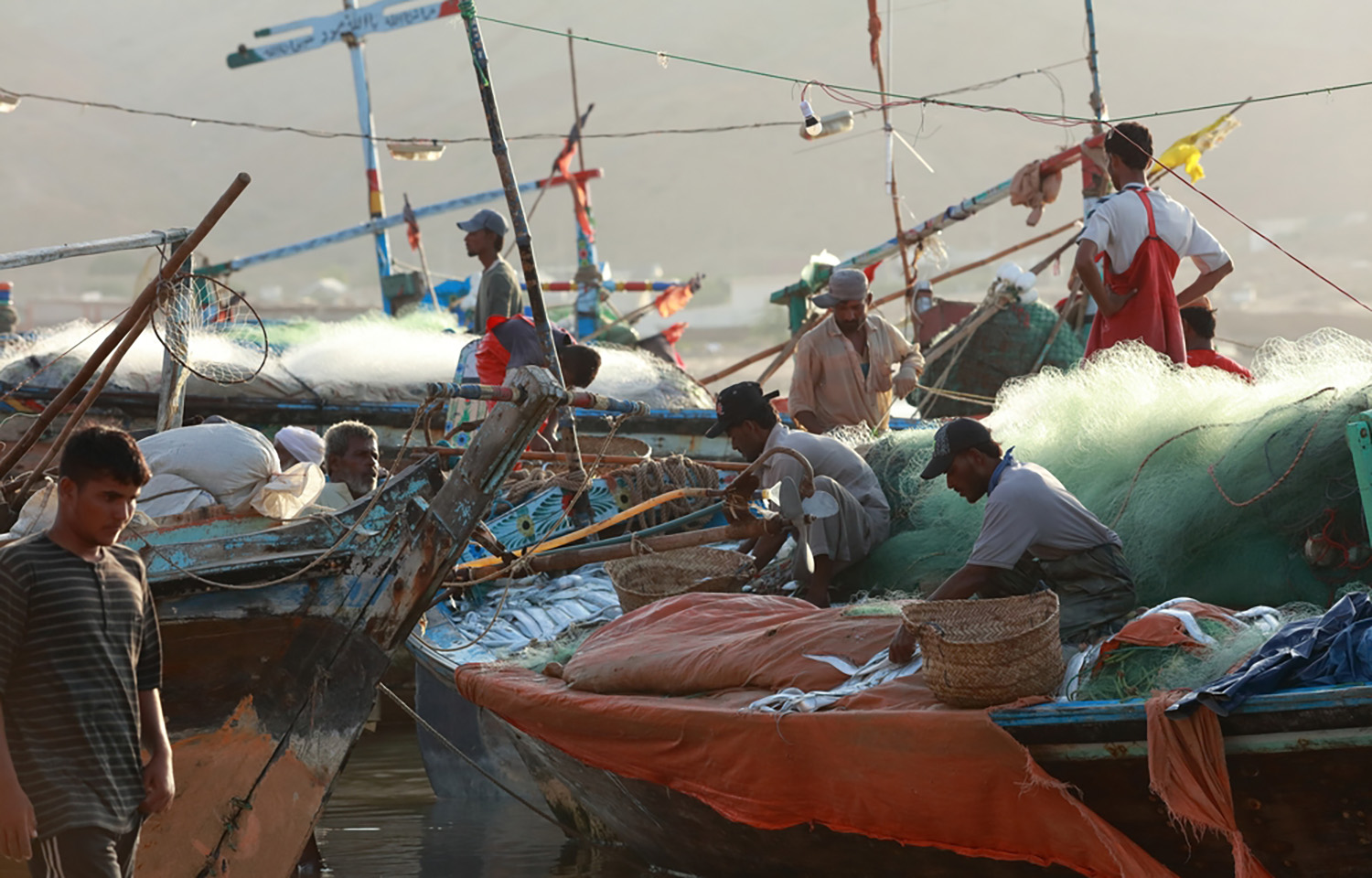
Pakistan has signaled that it wants to add more seafood processing capacity in order to reduce its reliance on Chinese factories.
Muhammad Zafar Kundi, chair of the Pakistan Fisheries Exporters Association, told SeafoodSource that the South Asian nation aims to meet the evolving demands of key markets like the E.U. itself, instead of shipping a lot of its raw materials to China where value is added in upgraded processing facilities and then shipped abroad.
“Ten years ago, the E.U. imported only raw materials, but now, they are changing to more value-added products. China itself makes value-added seafood products and exports to Europe. We can only sell raw materials to China,” he said. “We want to do direct value addition.”
One reason Pakistan is seeking to enhance its factories is because prices paid for Pakistani imports in China are lower than they would fetch if the country sold to key markets directly; however, Kundi said Pakistan is hamstrung at the moment because China takes a wide range of species that don’t sell well in other markets.
“China’s prices are not good; they always pay low prices, but we don’t have other markets for some of the fish which China takes,” he said.
Key value-added products that Kundi said he would like to see processed domestically include semi-cooked shrimp.
China bought nearly 60 percent of Pakistan’s seafood exports in 2025, with shipments rising 24 percent year over year to nearly USD 255 million (EUR 214 million).
Though Pakistan is a participant in China’s Belt and Road Initiative and trade is smooth between the two nations, Kundi said Pakistan should still lessen its reliance on China and seek higher margins. To achieve that goal, Kundi said the domestic ramp-up of aquaculture could increase local seafood supply for value-added processing.
“The Punjab provincial government has started aquaculture. The first year was successful, and now they’re expanding it. So, in the next three to four years, we will see an increase in production,” Kundi said.
The Punjab project to which Kundi refers is a large-scale aquaculture initiative to develop shrimp-farming operations across 5,600 acres of land.
According to Pakistan’s Business Recorder, the project, described as the province's largest blue economy investment to date, aims to convert saline and unproductive land in the province into shrimp farms.
