


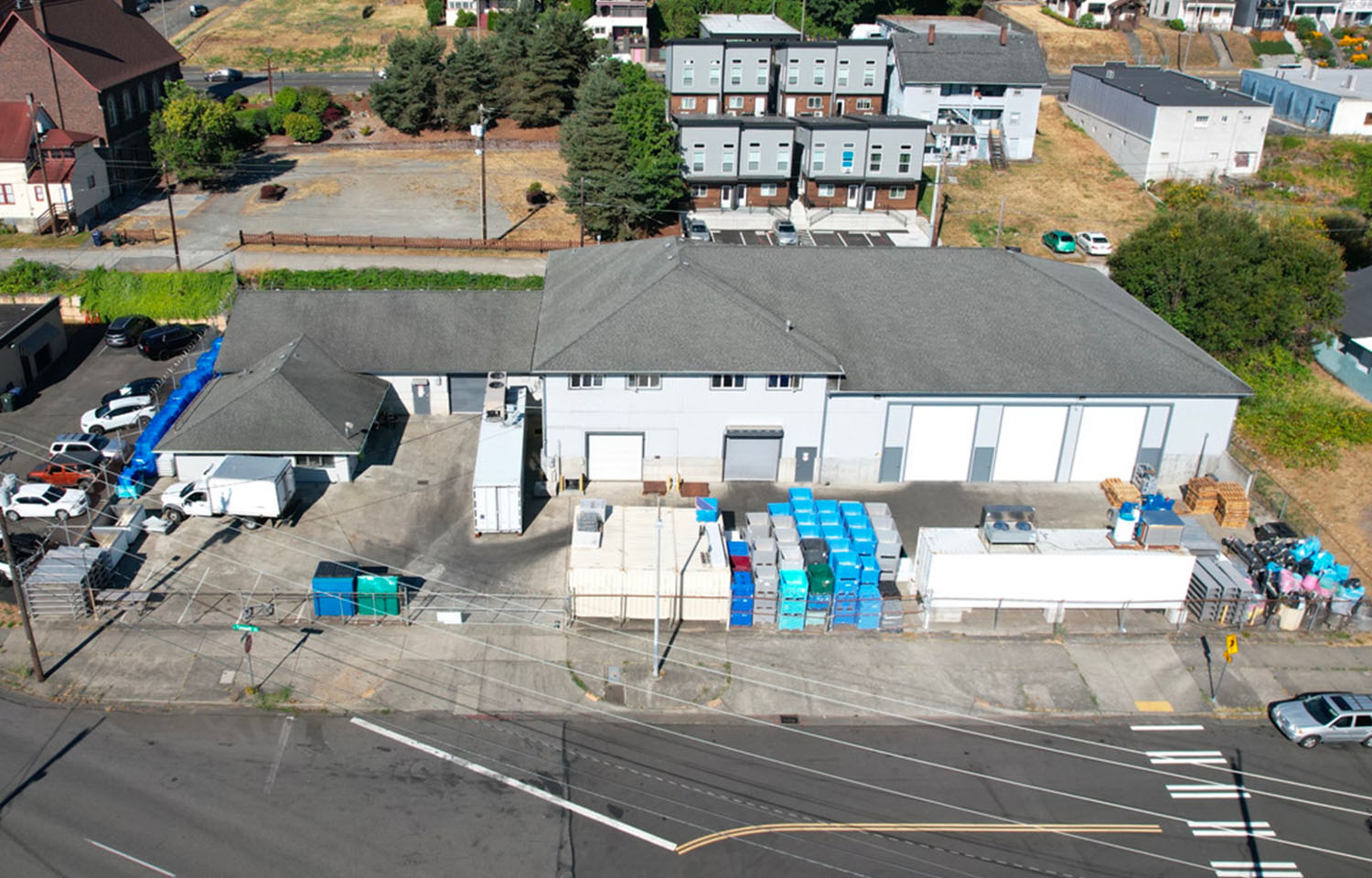
Shinkei Systems has acquired a 16,000-square-foot processing plant in Tacoma, Washington, U.S.A., more than doubling its total footprint.
The purchase comes just over half a year after the company more than doubled the size of its headquarters in California to increase manufacturing of its processing equipment. Shinkei Systems has developed a processing system that automates the “ike jime” process of slaughter – a a technique used by Japanese fishermen ensure high-quality fish.
Shinkei Systems Co-founder and CEO Saif Khawaja told SeafoodSource the new facility will bring the company’s processing under its own roof, allowing it to fully control the supply chain from catch through to delivering the product to distributors.
“We’ll both fully own and fully operate the facility, which helps maintain quality control across the entire supply chain, basically from point of landing nearby Tacoma all the way through to within the facility,” Khawaja said.
Shinkei Systems Co-Founder and Chief Technology Officer Reed Ginsberg – a former lead engineer with SpaceX who worked on the company’s Starship vehicle – told SeafoodSource the new facility will be staffed by 50 people, and is on track to be fully operational by Spring 2026.
Shinkei markets its fish under the Seremoni brand, and labels its products as “Seremoni Grade,” and has a core mission of delivering high-quality fish and making access to “Michelin-quality” fish easier. The company currently sources black sea bass, red snapper, vermillion rock fish, and black cod from fishermen in the U.S. states of Alaska, Washington, and California and is planning to expand to additional species with the addition of its new processing space – though it will initially focus on black cod fished on the west coast.
The company’s business model involves providing its automated “Poseidon” robotic systems to fishermen, and those fishermen operate the equipment on the promise it will sell the catch to the company for sale under the Seremoni brand. The company pays a higher premium to the fishermen for their product, but also receives a higher premium for the higher quality fish its automated process results in.
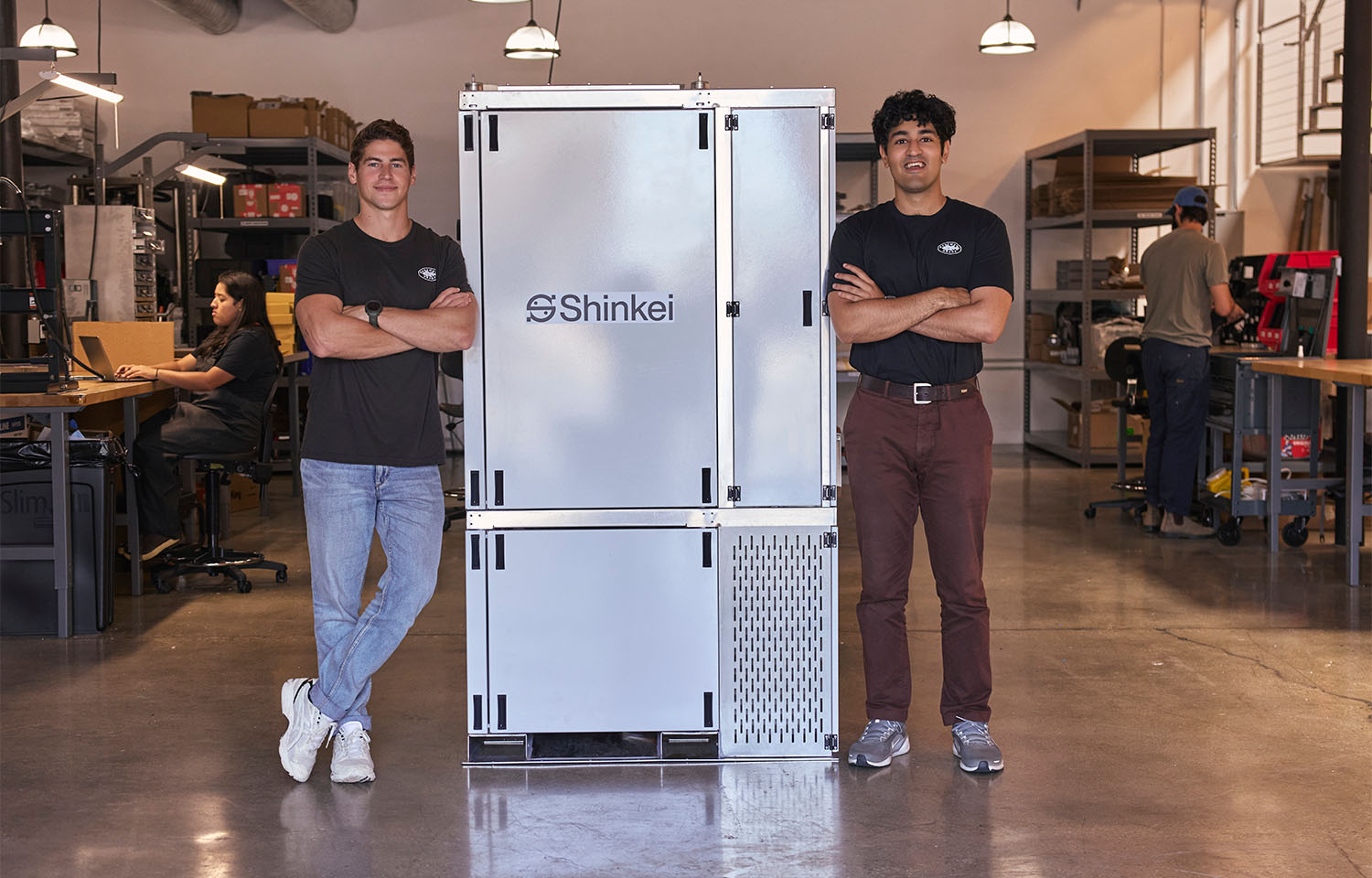
The new facility will help the company gain access to the next step in the supply chain, Ginsberg said.
“This is an incredibly exciting milestone for us. It is a huge opportunity to bring control for Seremoni Grade products all under one roof for the entire value chain,” he said. “It also offers us complete ability to scale as we grow over the next year; we can do upwards of 10 million pounds in this single processing plant alone.”
Ginsberg said the new facility will also give the company valuable data as it continues to work on new processing technology. The company is planning to pilot “NERA,” a new quality control and tracking system, that will give it more insight into its products.
“Project NERA is our opportunity for really developing our own quality and tracking system in-house using the engineering team we’ve built for some of the other products,” he said. “We now have a test bed inside our own processing plant that we can use sensors to track fish on a fish-by-fish basis and develop our own quality and shelf-life criteria that enables us to have better logistics and supply chain management.”
That supply chain management includes a goal of creating formal expiration dates for its products, simplifying purchasing for customers.
“The premise is to create a ground truth at any portion of the supply chain,” Khawaja said.
Ginsberg said the company’s earlier expansion in California was to manufacture more of its Poseidon robots and get more of them into the field, but the ultimate goal has always been to move away from third-party processing into its own facility. He said the company started discussing how to move into its own facility in Spring 2025, and has managed to move forward in under a year.
“People told us it would take two years to do this,” he said. “It was this past fall that we started looking, and we’re going to be operational in the Spring – in total, less than a year to get this all searched and operational.”
Khawaja said that it was vital for the company to move quickly on gaining control of its entire supply chain, as its business philosophy is oriented around turning “Seremoni Grade” into a known label for high quality. By handing off part of its processing to other companies, Shinkei lost control over ensuring that quality.
“Every single time that we handed our fish to someone else, it’d add an extra grey hair to the stack,” he said.
Khawaja said the company has gone through tremendous effort to create its harvesting systems and methods, and wanted to ensure the development of that continues through to the final stages.
“I think this whole project is a testament to us moving faster than what is typical in the industry,” Khawaja said. “One thing we really strive for at the company is to meet the seafood industry where it is, but at the same time push ourselves to try and go faster than what other people may think is possible.”
Looking even further forward, Khawaja and Ginsberg said the company is exploring moving into other species or products with the “Seremoni Grade” label. However, for now the company is hyper-focused on the species it has publicly launched commercially to ensure it can give its customers a high-quality product.
“In the vision for the company, this was always on the path toward getting to that end goal,” Ginsberg said.
