



An investigation from the British Broadcasting Corporation (BBC) has accused a Scottish fishing firm and its associated subsidiaries of engaging in human trafficking and modern-day slavery onboard vessels operating in U.K. waters.
According to maritime charity Stella Maris, the investigation has exposed the need to significantly speed up the prosecution of rogue fishing operators and to better support exploited and abused foreign workers.
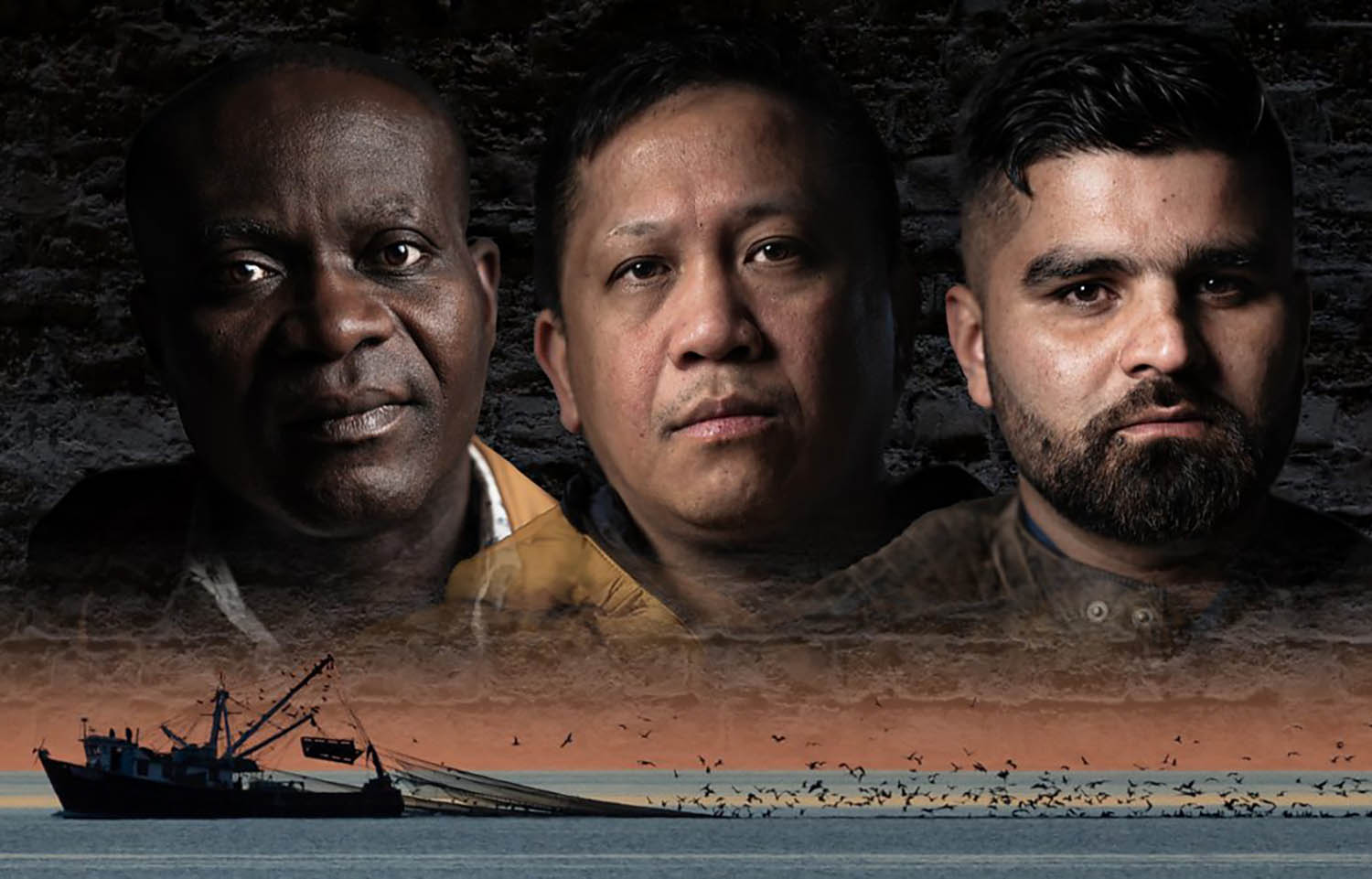
The investigation – a three-year joint project between BBC Scotland and BBC Radio 4 that recently culminated in the release of the film “Slavery at Sea” – alleges a number of migrant workers who traveled to the U.K. in search of work and a better life were exploited by family-run TN Trawlers and its associated companies.
The film reveals that the U.K. Home Office, a governmental department responsible for immigration and security, officially recognized 35 fishers from the Philippines, Ghana, India, and Sri Lanka as victims of modern slavery between 2012 and 2020 after their cases were referred for review. These workers had been employed by either TN or its associated firms, all of which are owned by the Nicholson family and headquartered in Annan, on Scotland’s southern coast.
TN Group has denied any accusation of modern slavery or human trafficking, asserting that its employees were treated well and compensated fairly. In the film, TN claimed its foreign workers were recruited through reputable and established agencies.
TN Trawlers has been the subject of two criminal investigations, but no charges related to human trafficking or modern slavery have been brought forward against it, despite some of the affected individuals having been prepared to testify for years, the BBC said.
“We are pleased to see the BBC broadcast this program, bringing some much-needed awareness of a deeply troubling issue,” Stella Maris CEO Tim Hill said. “Stella Maris is engaged with a number of agencies in calling for greater urgency in dealing with cases. It is unacceptable to allow these cases of slavery to drift for years on end. It is sending all the wrong signals to rogue employers that think they can behave with relative impunity. Some fishers are stuck in the U.K. for years, not seeing their families while they wait for justice that may or may not come. A successful prosecution is necessary to deter appalling and illegal mistreatment of fishers. This is an invisible crime, taking place out of sight at sea. The authorities and welfare organizations must get better at recognizing what modern-day slavery is, reporting it, and supporting swift criminal prosecutions against those few bad operators.”
Hill said his charity has been supporting fishers who have been victims of slavery and labor exploitation for over 10 years, providing humanitarian and pastoral support including shelter, food, clothing, and financial assistance, among other services.
He also said Stella Maris had reported several cases to the police over the years but found prosecutions “painfully slow,” with fishers left in personal and professional limbo in the U.K. while their cases are assessed.
“Escaping the vessel is the last resort for fishers who are terrified of losing their ability to work, so we still do not know the size of the problem among the 2,500 or so foreign fishers in the U.K.,” he said. “While Stella Maris and our sister charities provide much-needed welfare and financial support for fishers who have escaped, it is critical that law enforcement agencies do more to tackle fisher abuse and slavery, which may require more investment to reinforce their people working tirelessly on the frontline.”
Stella Maris is due to publish its own report on modern-day slavery in the U.K. fishing industry later this year.
The Seafarers’ Charity, which supports marine economy workers, said it was “neither shocked nor surprised” about the revelations contained in the BBC film.
Seafarers’ Charity CEO Deborah Layde said she was disappointed by the fact that TN Trawlers has not yet been charged with a crime.
“Due to this prolonged period, where TN Trawlers continued to operate, many fishers in the U.K. will undoubtedly have lost faith in our anti-slavery procedures and support mechanisms. Indeed, individual fishers have suffered with some spending as long as 10 years in the National Referral Mechanism; yet to date, there have been no successful prosecutions for modern-day slavery offenses in fishing and very few reparations to the victims and their families,” she said. “More needs to be done by all of us across industry, government, and welfare providers to improve our practice and to continue to tackle labor abuse and modern-day slavery. It is widely agreed, not just in fishing and shipping, that many believe the National Referral Mechanism is not fit for purpose – as this documentary demonstrates. The fishers featured have been treated in the most appalling manner and yet some continued to linger in limbo and poverty for a decade without justice or recompense. They are victims twice over.”
Other groups in the U.K. are working to ensure infrastructure is in place to prevent instances of labor exploitation in the future.
Unrelated to the BBC investigation, the Anglo Northern Ireland Fish Producers Organisation (ANIFPO) and Northern Ireland Fish Producers’ Organization (NIFPO), based in Kilkeel Harbor, Northern Ireland, have instructed independent human rights service provider Human Rights at Sea International (HRASi) to conduct internal due diligence governance reviews on social welfare activities, associated policies, and internal protocols.
HRASi helps states, businesses, and third-sector organizations to raise and exceed their human rights standards, enhance individual protections, and reduce inherent risk.
The producer organizations said move is part of a larger internal governance review to identify areas of concern, areas for improvement, and to immediately act on recommendations for underpinning improved domestic and migrant crew working conditions and welfare standards.
“NIFPO wants our members, clients, and buyers to have a strong level of reassurance that we’re applying appropriate ethical welfare standards across the services we provide," NIFPO CEO Harry Wick said. "HRASi is a leading independent reviewer of welfare standards at sea, so it’s natural that the next forward step on our journey is to invite them to run the rule over our internal practices and procedures to ensure we’re getting it right.”
