






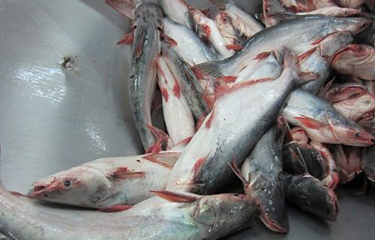
 7) Chinese consumers, producers exert control over pangasius trade
Just as a slowdown in Chinese demand would hurt certain Southeast Asian economies (including Vietnam), so too the Sino-U.S. trade war has created uncertainties among tilapia producers. Those not nimble enough to find other markets are looking at pangasius or are hedging their bets and converting half their pond space for the fish, according to Guangdong Evergreen Chairman Chen Dan. The company is a big producer of shrimp, tilapia, and feed, and Dan thinks demand in China will only grow, especially since the sector changed feed inputs in order to whiten the skin of locally-produced pangasius (its yellowish skin color was a turn-off to Chinese consumers). But this raises the specter of a price war with Vietnamese producers, who may lower prices to hold market share. China is already an expensive producer next to Vietnam – labor costs are almost double the Vietnamese average in Guangdong Province, a key aquaculture and manufacturing region. That could mean Chinese firms producing in other Southeast Asian states (like Laos, as happened recently when Shenzhen-based Hua Du Ocean said it was partnering with the Laotian military to produce 20,000 tons per year of pangasius). Or it could mean a ramping-up of production in places like Indonesia, Laos, and Cambodia to cash in on the pangasius trade. This could lead to a price war that would benefit Chinese consumers but hurt Vietnam.
