






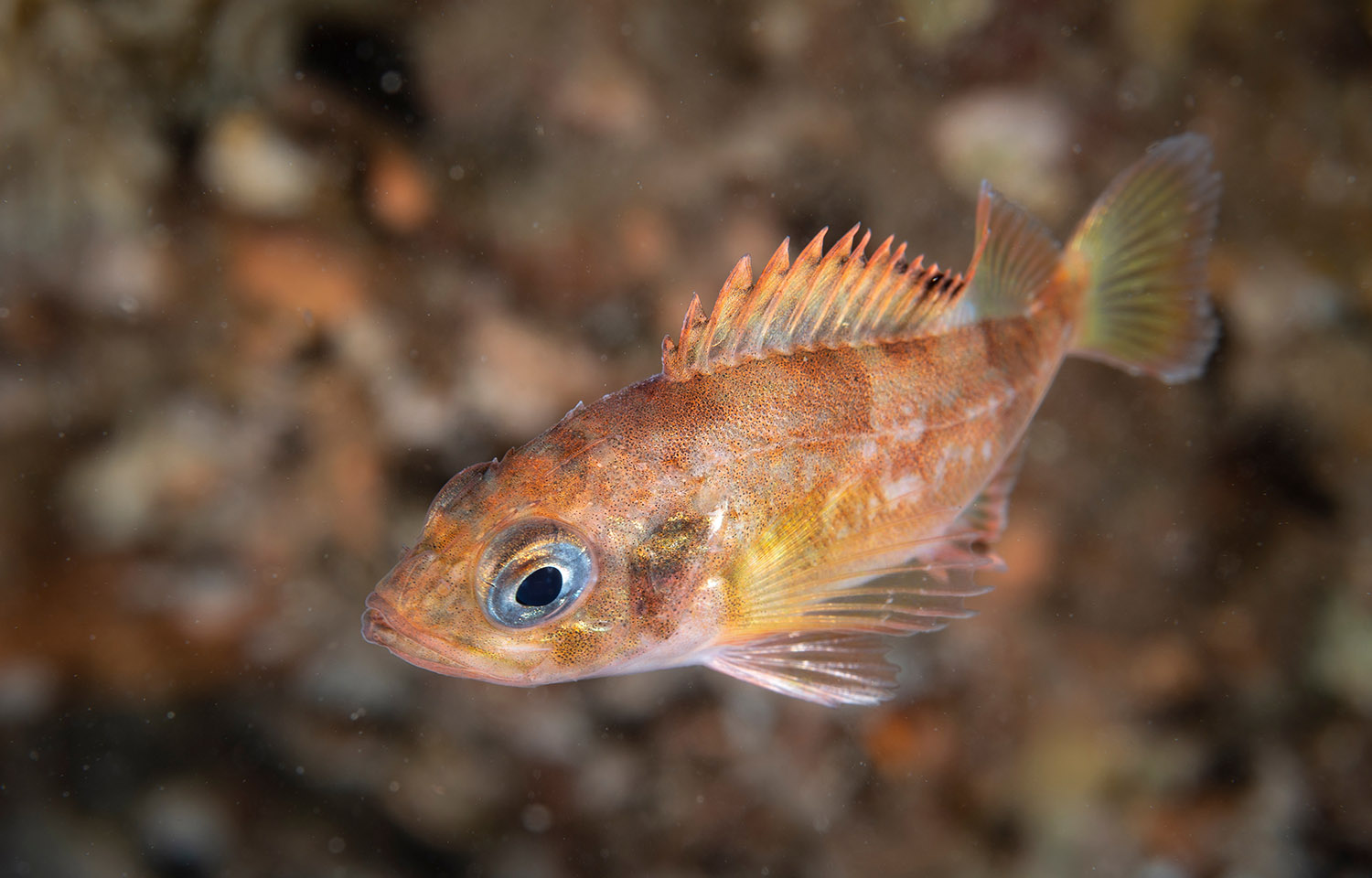
The Canadian government has announced a 60,000-metric-ton (MT) total allowable catch (TAC) for its second commercial redfish season in roughly 30 years, following the stock’s recovery.
After the nation's redfish population plummeted in the early 1990s, Fisheries and Oceans Canada (DFO) closed the fishery in 1995. The fishery remained closed for 30 years as regulators waited for the fish to recover, only opening an experimental fishery in recent years to analyze the stock. Last year, Canada finally opened a Unit 1 commercial redfish fishery, providing quotas to fishers in the provinces of Newfoundland and Labrador, Nova Scotia, New Brunswick, and Quebec to resume their redfish harvest after a three-decade hiatus.
“Commercial fisheries play a critical role in the livelihood of many Canadians, and fishing is part of the social fabric of Atlantic Canada,” Canada Minister of Fisheries Joanne Thompson said in announcing the second commercial season. “As part of the government’s plans to keep the Canadian economy strong, we will continue to work with stakeholders to increase the prosperity of the redfish fishery while respecting and enforcing conservation objectives.”
DFO has set a 60,000-MT total TAC for the season, which will open 24 June, 50,000 MT of which will be divided along the same lines as the 25,000-MT TAC set in 2024, with 58.7 percent allocated to offshore harvesters, 14.8 percent to inshore harvesters, 10 percent to Indigenous communities, 10 percent to estuary and Gulf of St. Lawrence shrimp harvesters, and 5.7 percent to midshore harvesters.
In addition to more than doubling the TAC for 2025, DFO has decided to allow experimental fishing projects to harvest 3,000 MT. Finally, DFO said it may make the final 7,000 MT of the 60,000-MT TAC available to harvesters who have fished at least 75 percent of their quotas.
In reopening the long-closed commercial fishery, DFO said that the first two years would be a transitional phase, with regulators collecting data from those first seasons to develop a long-term management plan.
“These allocations took into consideration views shared by industry stakeholders, Indigenous communities and organizations, and provincial partners and others, alongside socioeconomic factors, and provides harvesting opportunities while respecting conservation,” DFO said in a press release. “Information gathered from the first two years of this fishery will support the long-term development of a sustainable redfish fishery, and the government will continue to adjust fishing management measures as required and in consultation with stakeholders.”
While approving some of the safeguards included in DFO’s management plan, conservation NGO Oceana Canada warned that the large quota would likely undermine the fishery's sustainability.
“A quota decision of this scale, especially in the face of low demand and minimal infrastructure, is not just an ecological gamble, it’s poor business strategy. Flooding the market with up to 60,000 MT of small redfish, when demand and prices are low, undermines the fishery’s long-term value,” Oceana Canada fisheries scientist Rebecca Schijns said in a statement. “With limited processing capacity and no well-established markets, this quota invites oversupply and wasted opportunity. Quotas must reflect ecological realities and the capacity of coastal communities to harvest and benefit sustainably. A phased approach, building toward a higher quota, would help create a stable, profitable, and resilient fishery over time – giving the population room to sustain growth and the industry space to adapt. Instead, the government prioritized short-term volume over long-term value, putting groundfish recovery, redfish growth, and the fishery’s long-term future at risk.”
Instead, Oceana Canada called for a base quota of 25,000 MT that could be increased as environmental conditions permit. The NGO also criticized DFO for weakening rules on gear, depth, and season for the fishery.
