



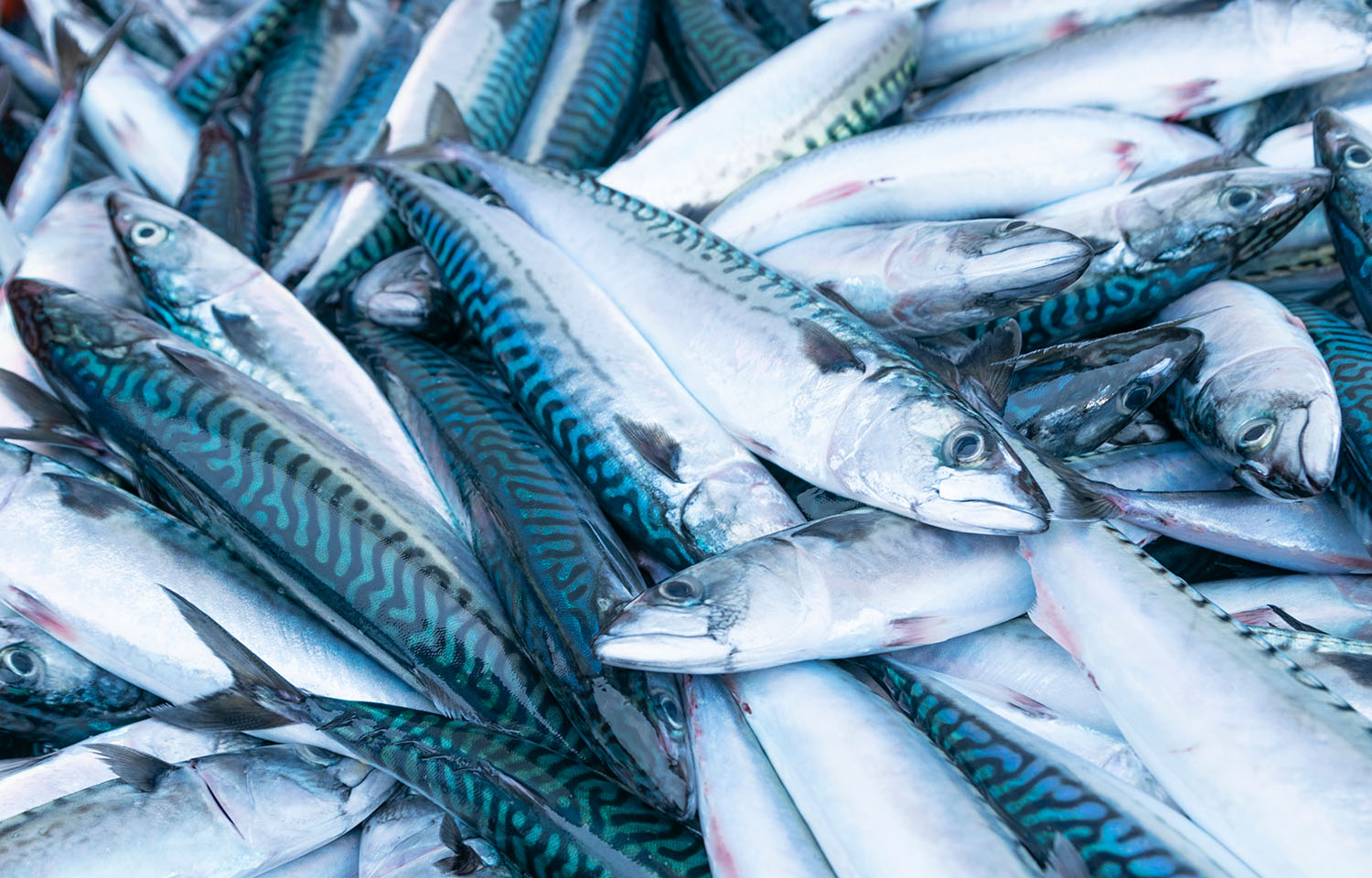
The Fish, Food, and Allied Workers Union (FFAW) is calling for Canada’s Department of Fisheries and Oceans (DFO) to rethink a closure and open a quota for Atlantic mackerel in the Canadian province of Newfoundland and Labrador.
Canada Minister of Fisheries, Oceans, and the Canadian Coast Guard Joanne Thompson – who was sworn in in March following Prime Minister Mark Carney assuming office – announced the nation's Atlantic mackerel commercial fishery would continue to be closed for 2025 and 2026, with a small 440-metric-ton (MT) bait fishery only. The DFO first shut down the fishery in 2022 after Joyce Murray – the minister of fisheries at the time – said management measures put in place didn’t go far enough to protect the stock.
“Southern Gulf spring herring and Atlantic mackerel are stocks that have been in the critical zone for lengthy periods and need to be allowed to regenerate for the continued sustainability and success of the entire fishery,” Murray said in 2022.
Since that time, however, FFAW claims the population has rebounded and the union is continuing to push for a commercial fishery for the species. The union called on the DFO to open the fishery in 2024 and even created a campaign page and launched a petition, but those efforts ultimately failed.
Now, FFAW is once again pushing the government to reconsider the closure.
“We know that mackerel are spawning on the northeast coast. We are seeing a tremendous abundance of large mackerel, 16 to 18 inches in length, as well as small, or pencil. mackerel,” FFAW President Dwan Street said in a release. “While harvesters are on or near the water every day and are seeing the changes, the department currently does not even have a mackerel scientist based in Newfoundland and Labrador.”
Street said fishermen are reporting large batches of mackerel being reported day after day in the region, but the DFO hasn’t put in the effort to verify their accounts.
“We need eyes on the water to document the amount of mackerel in our waters. Harvesters’ observations show that there is more than enough mackerel to support a commercial fishery, but we need an opportunity to demonstrate the sheer volume of mackerel and to compare with pre-moratorium years,” Street said.
NGO Oceana Canada counters the FFAW’s claims of abundance, claiming a quota of just 500 MT is all the fishery can support. Oceana said the data indicates the fishery’s biomass is under the limit reference point, meaning the DFO must follow a rebuilding plan.
FFAW claims Oceana’s campaign relies on outdated data and accused the NGO of a lack of accountability for the impact of the fishery decisions they promote.
“Oceana’s aggressive campaigns seem less concerned with the health of our coastal waters and more aligned with maintaining funding and appealing to donors who have no connection to Newfoundland and Labrador or its inshore fishery,” Street said. “While fish harvesters fight to sustain rural economies and preserve their communities, Oceana appears more interested in preserving its brand and fundraising goals.”
