



Canadian Minister of Fisheries, Oceans, and the Canadian Coast Guard Joanne Thompson has won her re-election and will likely continue in the role as Canada’s Liberal Party won control of the government on 28 April.
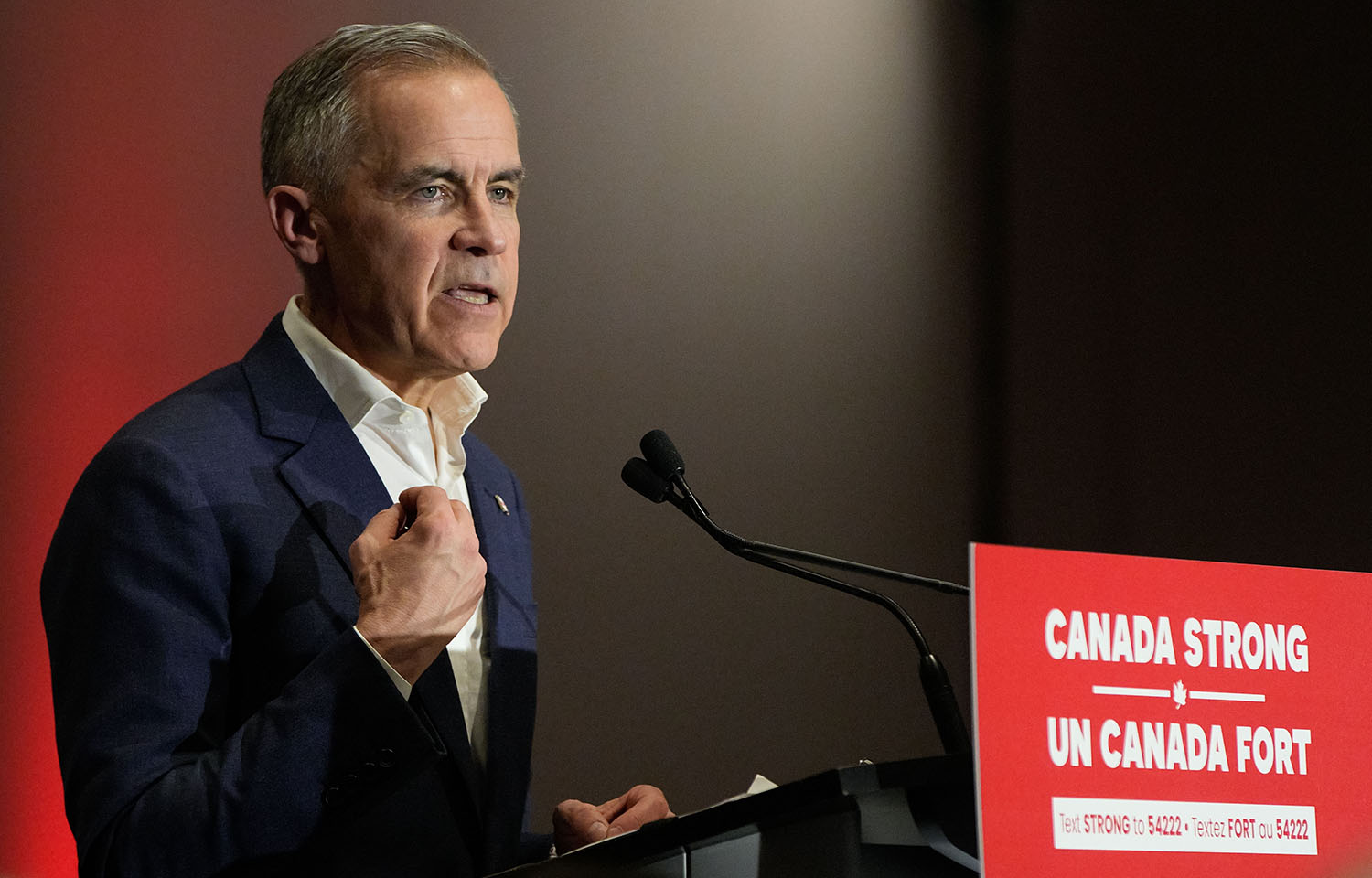
Thompson was chosen for the role in March 2025, replacing former minister Diane Lebouthillier who served in the role since July 2023 when she replaced Joyce Murray. The shift in leadership came as former Prime Minister Justin Trudeau stepped down from the role, with Liberal leadership passing to Mark Carney. Carney then called for an election, which ran on 28 April.
The liberal win comes just months after the CBC reported the party was polling poorly, with projections in January pointing to a likely Conservative Party win in the next national election. The Conservative Party’s policy declaration included mention of investing in the scientific knowledge base of its fisheries and aquaculture management. The party had also pledged to work with provinces and territories to streamline management of aquatic resources.
The Liberal Party policy declaration from 2023, meanwhile, only mentions fisheries in the context of providing direct payments from the government to fisheries that provide ecological goods and services, “such as ecosystem services or carbon sequestration in agricultural soils, as well as to incentivize them to adopt less resource intensive practices.” The only other mention of fisheries is in the context of protecting water quality to minimize effects on fisheries.
On the Liberal Party’s website, it states a priority for its leadership is to “clean-up, maintain, and protect wildlife in and around our coastal waters” which includes investing in modernizing the location and retrieval of fishing ghost gear. It also said it will conserve nature and biodiversity thorough creating “at least” 10 new national parks and marine conservation areas.
The Liberal Party’s plan in 2019 under Trudeau called for a complete transition from open net pen salmon farming in coastal waters by 2025, a policy that the government set about enacting in December 2020 with the phase-out of salmon farming in certain areas of British Columbia.
Despite that early push, court cases and pushback have delayed efforts to ban salmon farming so far, but in June 2024 Lebouthillier announced the country was planning to effectively ban all net-pen salmon aquaculture within the province of British Columbia within five years.
Prior to the recent national election, fishing and aquaculture organizations in Canada called for cooperation with the government regardless of which party came to power. The BC Salmon Farmers Association has called for a unified approach to food security and economic recovery amid the threat of tariffs from the U.S. and China.
The Fisheries Council of Canada congratulated Carney on his win and said members hope to work collaboratively with the new government and all parties “to advance their most pressing issues, including trade and tariffs, stability of access, and sustainable fisheries management that support coastal communities, and strengthen Canada's seafood sector.”
“Together, we can ensure Canadian seafood continues to be world-renowned for quality, sustainability, and innovation,” the FCC posted on its LinkedIn.
