






Agriculture and Agri-Food Canada, a Canadian government agency tasked with promoting food exports, is projecting long-term growth in seafood demand from China driven by improved logistics and the build out of e-commerce capabilities that will make it easier to achieve market penetration in China’s smaller cities and rural areas.
A recent report published by the agency points to the fact that annual per-capita seafood consumption is as low as 10 kilograms per year in some inland regions of China, while as high as 65 kilograms in coastal regions like Fujian and Guangdong.
That leaves plenty of room for increased seafood consumption in several regions around the country, the report said.
“Chinese consumers living in third-tier (and below) cities and rural areas are expected to drive the next wave of consumption,” the report said. “High-end imported seafood products will find new opportunities for growth in China.”
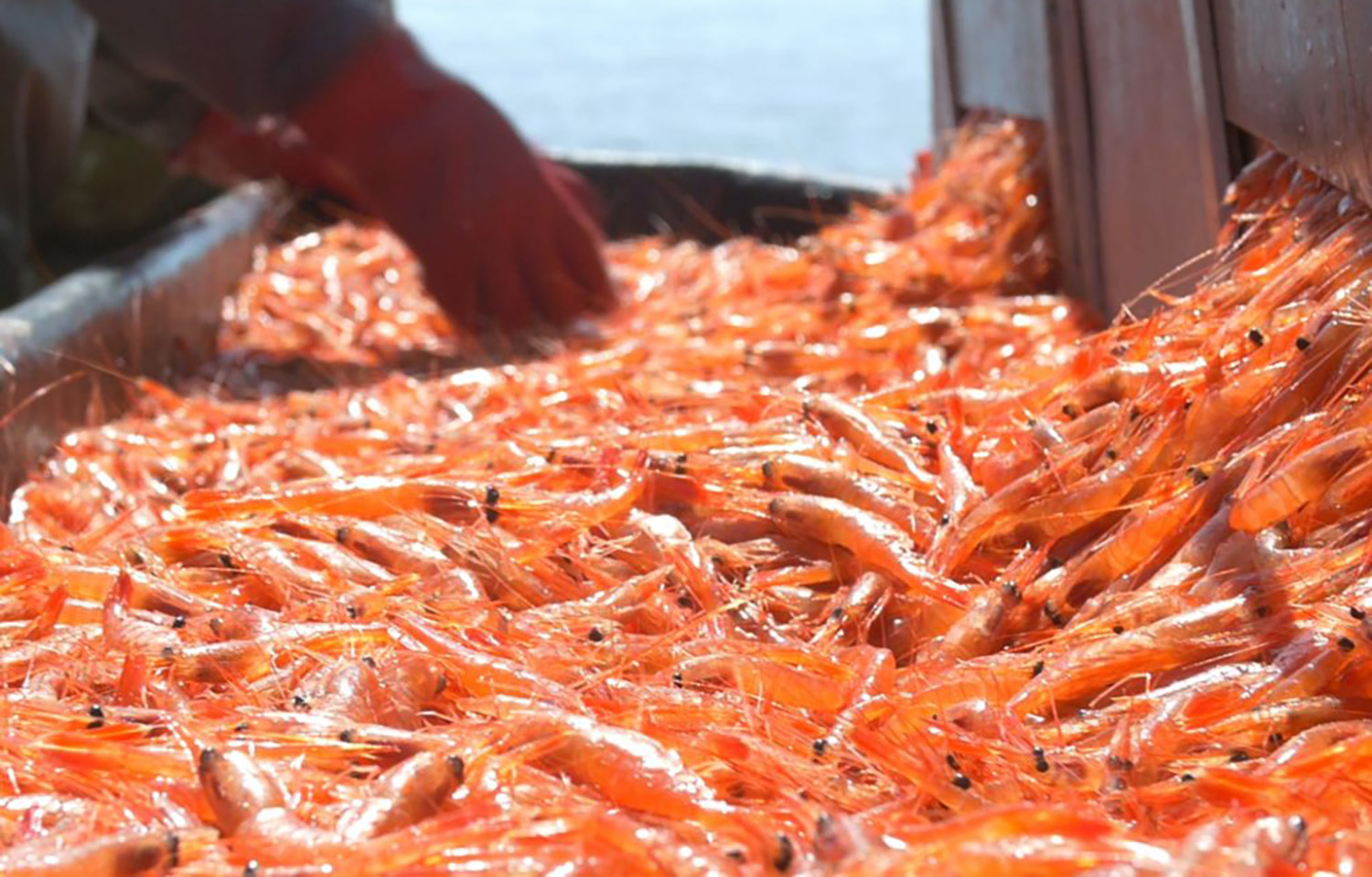
Agriculture and Agri-Food Canada singled out Canadian coldwater shrimp as an example of seafood with the potential to be embraced by more remote inland cities like Lanzhou and Urumqi.
“[Canadian shrimp] has taken root in the Chinese market, completing the localization process, paving the way for future expansion into secondary and tertiary markets, and serving more dining and group meal customers,” the report said.
According to the report one factor driving the growth of such products is increasing concerns Chinese consumers have about environmental pollution and food safety, leading to a preference for imported seafood. The report said the public in China deems imported seafood safer and more nutritious due to better water quality and stricter controls placed on production processes.
The report further explains that products like coldwater shrimp can make it to more remote regions thanks to e-commerce platforms and fresh supermarkets such as Pinduoduo, Alibaba, RT-MART, and Yonghui.
“[E-commerce brings] an affordable middle-class lifestyle to rural residents through live streaming and aquatic counters, while the ever-improving cold chain logistics and community retail models such as fresh group buying and front-warehousing-to-home are making imported fish and seafood products fresher and more affordable,” the report said.
In cities that already have large seafood consumption rates, the report said there has been a noticeable surge in demand for high-quality and imported selections such as salmon, lobster, and oysters.
China was Canada's second-largest export market for fish and seafood in 2023, buying USD 1.1 billion (EUR 1 billion) worth, or 18.7 percent, of Canada's global fish and seafood exports. Canada grew its seafood exports to China by an average of 2 percent per year between 2019 and 2023, and Canada ranked seventh among the leading suppliers of fish and seafood to China in 2023, taking a 5.2 percent market share.
Aside from Chinese demand for seafood, China’s expanding aquaculture sector presents an opportunity to Canada as it demands increasing amounts of aquaculture feed, according to the report.
“China's reliance on fishmeal and soybean imports stems from its protein scarcity,” the report said. “With Canada’s domestic crushers increasing their canola usage, Canada's canola seed exports may decline, while canola meal exports rise. This shift positions China as the primary market for roughly 3 million additional tons of Canadian canola meal, driven by its expanding aquaculture industry, presenting a notable opportunity.”
The Agriculture and Agri-Food Canada report echoes some of the optimism that a Rabobank report highlighted earlier this year, which projected China will drive 40 percent of the growth in seafood consumption globally by 2030 and, with that growth, become a USD 29 billion (EUR 26 billion) annual market. The Rabobank report suggests China will be the “most promising” seafood market globally this decade.
“Despite China’s current dominance in the global seafood market – evident in its production, consumption, and trade – we anticipate that its leading position as a seafood producer will decline,” Rabobank said. “We expect China to seek resources beyond its borders to ensure adequate supply and close the widening gap between demand and supply by the decade’s end.”
Much of the optimism in both reports, however, relies on continued income growth in China, which has not played out over the past few months.
Average monthly salaries offered by companies to new employees in 38 key Chinese cities fell 0.6 percent year over year in the third quarter of 2024 to CNY 10,058 (USD 1,423, EUR 1,310), according to data provided by online recruitment platform Zhaopin Ltd. and published by Bloomberg.
