






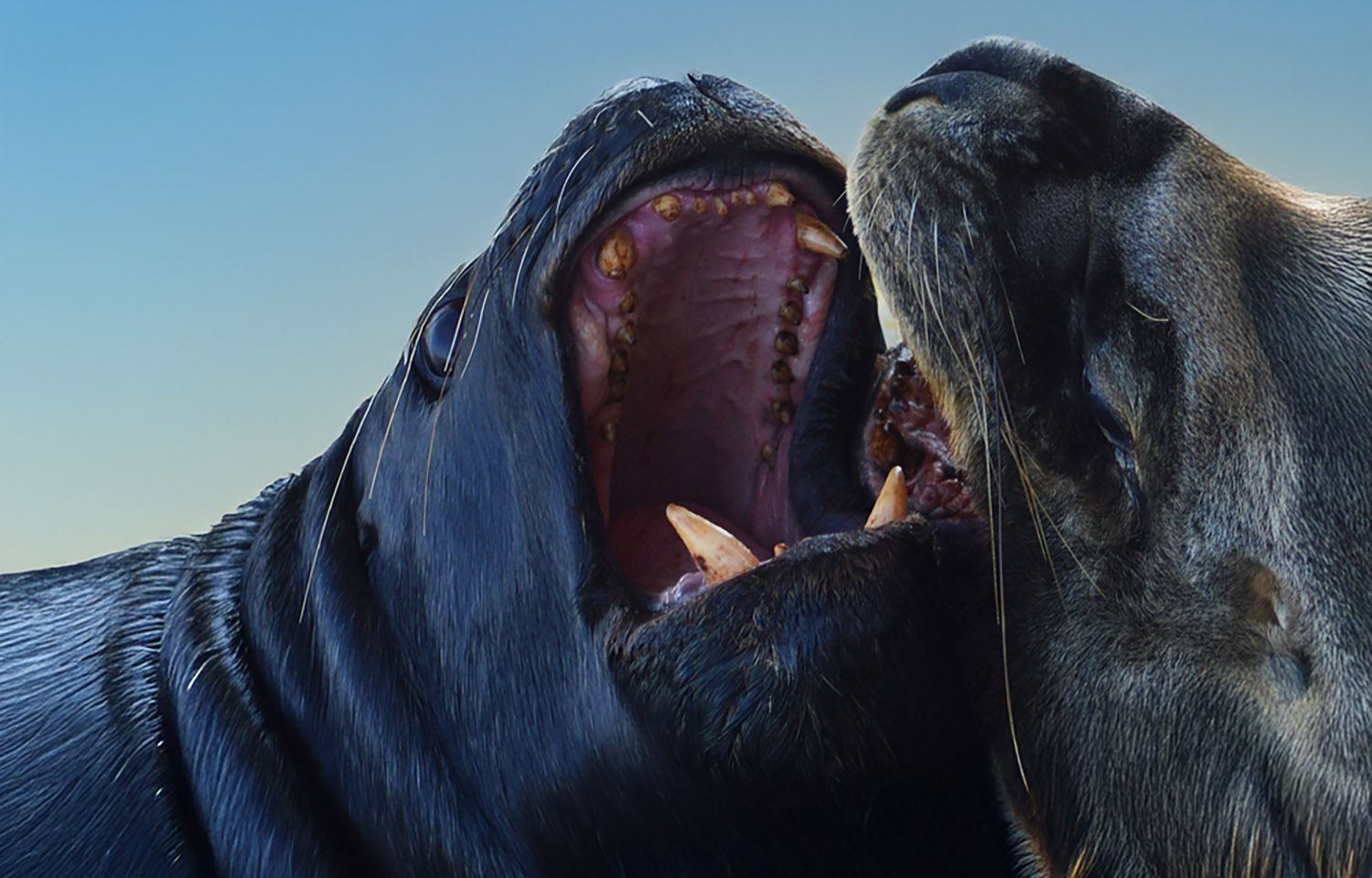
A delegation from Chile recently traveled to China to, among other goals, seek “technological solutions” to control a sea lion population that officials in the South American nation say is harassing its artisanal and inshore fisheries sectors.
Julio Salas, the deputy minister of fisheries and aquaculture at governmental body Subpesca, was accompanied on the trip by officials from Sernapesca, the Chilean national fisheries and aquaculture service, where they went to both Beijing and the Chinese Fisheries Academy campus in Zhoushan.
Chilean Senator Fidel Espinoza, who also made the trip, told local media he was happy for the assistance from China, which he said he originally approached five months ago for a solution to the sea lions’ “onslaught” on artisanal fisheries.
Chile has been trying to deal with sea lion predation for several years and has proposed killing the animals or catching them in nets, drawing conservationist ire.
Other nations like Scotland have developed technology to deal with animals like sea lions and seals non-lethally, as markets like the U.S. require seafood-exporting nations to use non-lethal methods of control on such animals.
Besides discussing the problem of sea lions, Zhang Zhili, the Chinese vice minister of agriculture and rural affairs, said the officials talked about establishing more fishery cooperation between the two nations and inked new deals to achieve just that.
“China wants to continuously deepen China-Chile fishery cooperation in all fields and the entire industrial chain,” Zhang said. “The two sides reached consensus on a number of issues, including establishing a China-Chile fishery cooperation mechanism, negotiating and signing a new memorandum of understanding on fishery cooperation, expanding full-chain cooperation in distant-water fisheries, jointly combating illegal fishing activities, and jointly promoting the scientific conservation and sustainable use of international fishery resources.”
The two nations have partnered in the past on seafood deals, including one from late 2023 that resulted in increased exports of Chilean aquaculture products, including fresh coho salmon, to China.
