






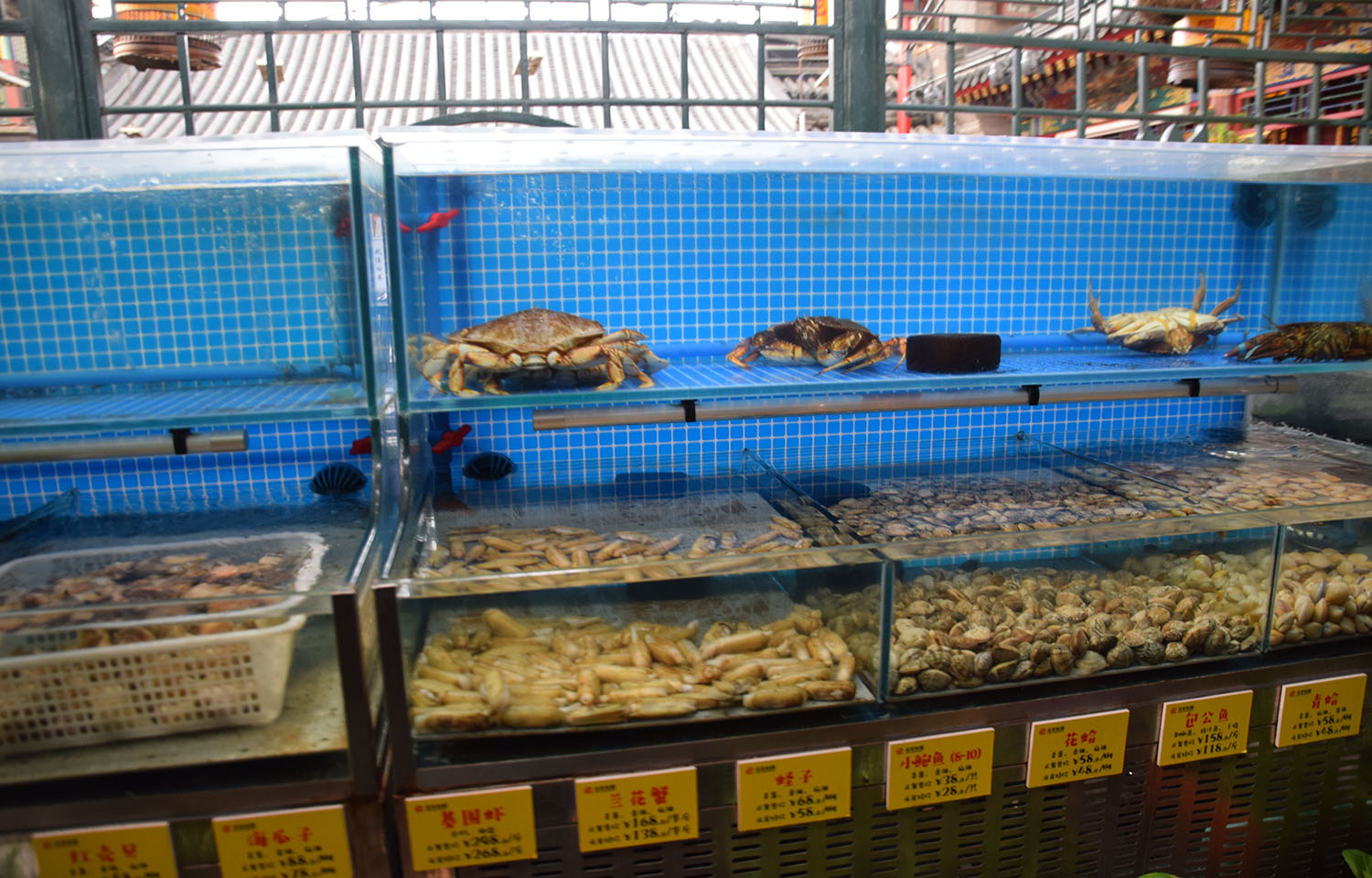
China’s average tariff on seafood is well below the level for most other food imports, according to a review by the World Trade Organization (WTO).
The trade policy report was issued 12 June in advance of the WTO’s Trade Policy Review on China at WTO headquarters in Geneva, Switzerland, from 17 to 19 July.
What the WTO terms the “simple average tariff on fish and fishery products” was 6.8 percent in 2024, with tariffs ranging from 0 percent to 15 percent, according to the WTO Trade Policy Review of China’s trading policies.
In 2024, the average tariff applied by China on agricultural products from WTO member trading partners was 12.6 percent. The simple average tariff for dairy products was the lowest among agricultural products, at 11.1 percent. But, certain other food stuffs are levied with much higher levels of tariffs by China, including sugars and confectionery at 30.6 percent, cereals and food preparations at 20.2 percent, and beverages and tobacco at 15.8 percent.
China has sought to encourage imports of seafood to make up for tighter growth in supply at home. Its 14th Five-Year Plan for National Fishery Development, published by China’s Agriculture Ministry in 2021, specifies that China’s domestic marine fishing output will be limited to 10 million tons by 2025.
The E.U. and U.S., the two top destinations for Chinese exports, have called for China to provide more information on subsidies it pays to its key manufacturing industries, and in its review, the WTO said it struggled to access information on certain Chinese subsidy programs. China recently conceded some of its support of distant-water fishing companies does not comply with a 2022 WTO deal curbing such subsidies.
“In addition to the lack of transparency, many members believed that China's subsidies distorted global markets and promoted overcapacity,” Nigeria WTO Ambassador Adamu Mohammed Abdulhamid, the review’s chairperson, said in his concluding remarks. Abdulhamid also highlighted criticism of China’s system of state-owned enterprises as distorting global markets and promoting overcapacity.
Additionally, Abdulhamid said several WTO members raised concerns about China's imposition of restrictive sanitary and phytosanitary measures on food imports, saying they lacked scientific justification and were not in line with international standards. Such measures have been used to block various seafood imports, including Australian lobsters and Ecuadorian shrimp. Abdulhamid said China was requested to “promptly reconsider its stance on these issues and refrain from using measures that create non-tariff barriers,” including its growing implementation of technical regulations to limit imports.
Abdulhamid also said there was praise for China’s active participation in ongoing fisheries subsidy treaty negotiations but criticism of its demand that it continue to receive developing country status – a sticking point in recent discussions.
“Some members considered that in order for China to take on responsibilities that could match its economic significance, it would be crucial for its authorities to consider reducing negative spillovers emerging from China's domestic and trade-related policies and practices,” Abdulhamid said. “They expressed concerns about certain practices, such as economic coercion and the use of economic measures for political reasons, which undermined confidence in China's assertion of being an open, rules-based, transparent, and non-discriminatory economy.”
