






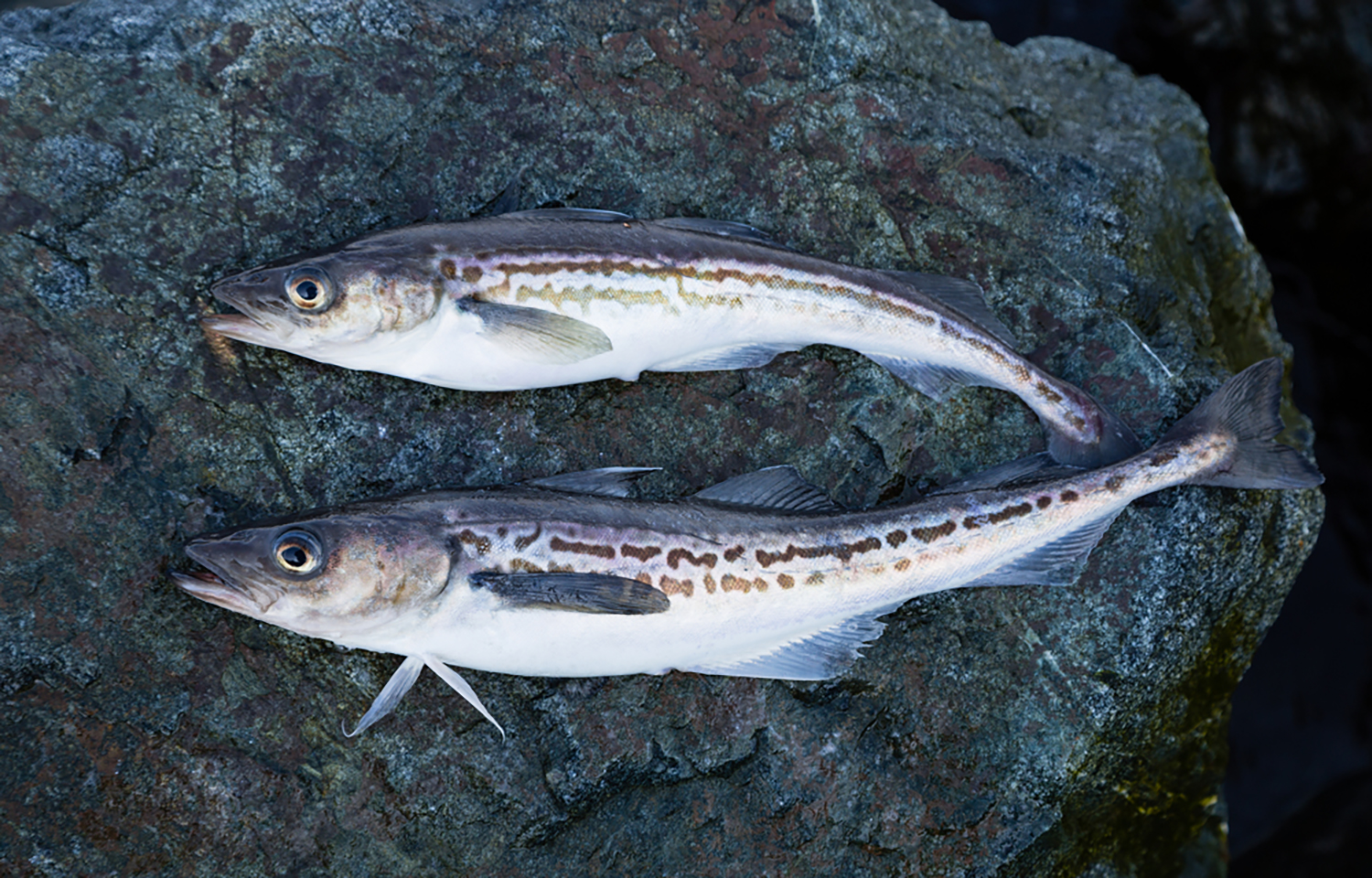
Imported wild-caught seafood coming into China is taking market share from farmed seafood, according to Fan Xubing, the CEO of Beijing-based marketing agency Seabridge.
Pollock, redfish, mackerel, and Greenland halibut all have the potential to outperform farmed species like salmon in sales growth this year, Fan said.
“We researched a recent study and found that in 2023, China's total wild-caught seafood import value [was equivalent to] 32.4 percent of the value of China's domestic wild-caught seafood catch,” he told SeafoodSource. “We predict this percentage will increase to 50 percent or more within a few years.”
The popularity of wild-caught seafood is partly due to marketing these species as healthy and pure, according to Fan.
“Chinese consumers are paying more attention to food safety and nutrition, and wild-caught seafood could better meet consumers' needs on these two points,” he said.
China is also seeking to diversify its markets for several products, including seafood, and recently announced an intention to open up a three-way free trade agreement with the Gulf Cooperation Council and ASEAN countries, which would open the door for more imports.
Though wild-caught seafood is posing as competition to farmed species, Norway continues to increase its shipments of salmon to China. In May, salmon exports to China spiked 181 percent year over year to 8,273 metric tons. So far this year, Norway has exported 33,870 MT of salmon to China worth NOK 3.2 billion (USD 317 million, EUR 277 million), an increase in volume of 123 percent and an increase in value of 58 percent.
“Competitive pricing is a key driver of growth, along with underlying growth, especially in new emerging digital sales channels,” Norwegian Seafood Council Envoy to China Sigmund Bjørgo said.
