






China is currently negotiating with the Gulf Cooperation Council – a political and economic alliance comprising Saudi Arabia, Kuwait, the United Arab Emirates, Qatar, Bahrain, and Oman – and the Association of Southeast Asian Nations – a similar alliance comprising Brunei, Myanmar, Cambodia, Indonesia, Laos, Malaysia, the Philippines, Singapore, Thailand, and Vietnam – to establish a three-way free trade agreement (FTA).
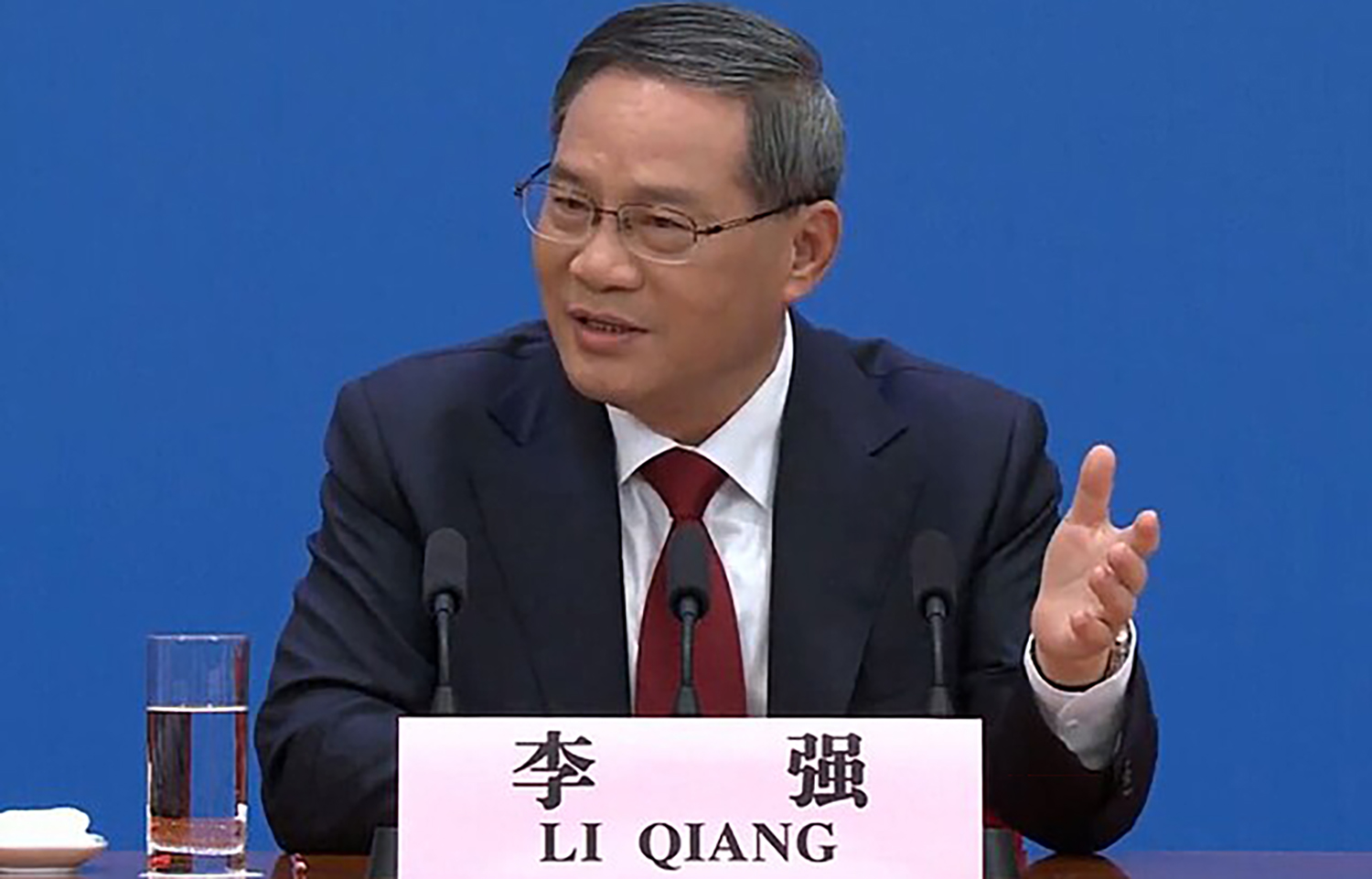
Chinese Premier Li Qiang spoke at the summit between the three sides, taking place in Kuala Lumpur, Malaysia, calling the gathering “a groundbreaking initiative” in cross-regional cooperation amid “a volatile international landscape and sluggish global growth.”
A joint statement from the three sides at the Kuala Lumpur summit committed each party to cooperation on renewable energy, finance, and food production, as well as a “rules-based multilateral trading system and economic globalization.”
China already has an FTA with ASEAN but has yet to reach a similar agreement with the Gulf Cooperation Council.
The FTA, if established, would present a boon to Chinese seafood firms that already have a presence in the Middle East and Southeast Asia. For example, seafood firm Guangdong Evergreen has pledged to expand its presence in Indonesia and Saudi Arabia.
Similarly, seafood firm Shandong Ocean has expressed interest in establishing aquaculture operations in Southeast Asia. Shandong Ocean General Manager Zhou Yan has said in the past that Southeast Asia could provide a more conducive growing environment for aquaculture than the colder waters of Northern China, where his company farms grouper.
The negotiations also come as many Chinese companies are trying to shift their business away from the U.S. amid the two sides’ ongoing trade war initiated by U.S. tariffs.
Chinese tilapia producers, for instance, are pursuing several avenues in order to diversify their sales away from the U.S., trying to guard themselves against trade uncertainty.
“We have no choice; we have to go out and find markets to survive,” Josef Zheng, head of sales at Xiamen Heron Seafood, told SeafoodSource prior to the FTA negotiations.
