




Facing dwindling domestic demand and potential new tariffs in the U.S., some Chinese seafood firms have begun to cast their attention toward Southeast Asia.
Guangdon, China-based Guolian Aquatic and Guangdong Evergreen – a conglomerate which produces and processes fish, shrimp, and aquafeed, – have targeted Indonesia as a location that may be able to offer more consistently lucrative business.
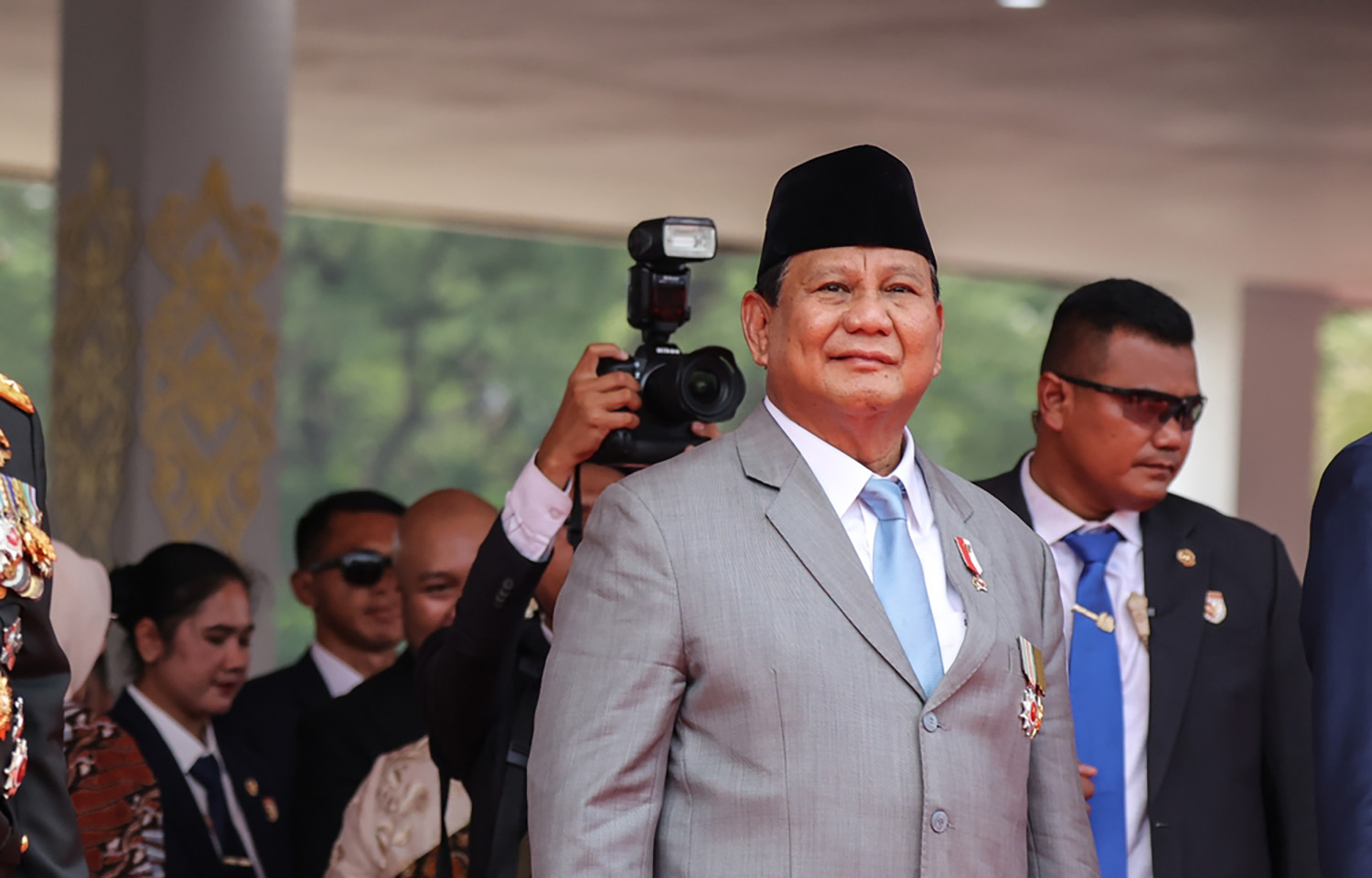
Representatives from both firms recently joined a Chinese trade delegation in the Indonesian capital of Jakarta, attempting to take advantage of Indonesia President Prabowo Subianto’s promises to turbocharge the Indonesian economy by, among other strategies, opening the doors to Chinese investment.
Elected in October, Subianto chose Beijing as the destination for his first overseas trip as president, following that up with a trip to the U.S. capital of Washington, D.C.
The new president has vowed to lift annual GDP growth to 8.8 percent during his five-year term, an increase on the 5 percent GDP growth the country saw in 2023 that already makes Indonesia one of the fastest-growing economies in the world.
As the world’s fourth-most populous country and largest economy in the Association of Southeast Asian Nations (ASEAN) bloc, Indonesia is an attractive market to food companies up and down the value chain.
Sun Shangbin, the vice president of the China Chamber of Commerce in Indonesia, said during a recent conference in Jakarta that “rapid growth” of Indonesia's economy has resulted in local consumers' demand for high-quality and diversified catering has “increased rapidly,” creating openings for Chinese suppliers of food products.
Speaking at the same conference, Guolian CEO Chen Han said his company would specifically seek to capitalize on the expansion of Chinese catering companies in the Southeast Asian region as a whole, as well as Indonesia’s large population and abundance of local raw materials.
“We aim to develop products suitable to local markets,” he said.
Expanding sales in Indonesia would provide a financial lifeline for Guolian, which has been under intense pressure from domestic competition, forcing the firm to look abroad for customers.
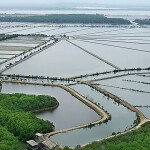
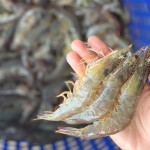
Similarly, Guangdong Evergreen Group is attempting to make inroads into the Southeast Asian nation. The firm has stressed its ability to control quality and food safety with its vertically integrated business model, as it owns farms and processing plants as well as feed and hatchery operations.
Guangdong CEO Chen Dan said the firm’s newer convenience-oriented products, such as ready-to-cook, ready-to-eat, and ready-to-heat products – were designed with consumers across Asia in mind, and to further appeal to local customers with recognizable seafood species, the firm announced earlier this year it was interested in investing in aquaculture in Southeast Asia.
“The climate [in Southeast Asia] is very suitable for aquaculture; costs like labor are very competitive, and Southeast Asian countries have tax-free access to many markets,” Chen said regarding the possible investments.
That tax-free access includes Indonesian trade with China, as Chinese exports to Indonesia are tariff-free under the ASEAN-China free trade agreement. However, similar to the U.S., Indonesia has considered raising some tariffs on Chinese goods to protect its own industries.
Nevertheless, other Chinese food companies view Southeast Asia, and Indonesia in particular, as a market ripe for expansion. Chinese grilled fish chains Tanyu and Tai Er both have outlets in Singapore, which has traditionally served as a launch pad for expanding into other ASEAN markets.
Though China’s seafood companies are just starting to approach the Indonesian market, China’s government has already committed to heavy investments in the country, even before Subianto’s election. In 2023, China signed a pledge to invest USD 21.7 billion (EUR 20.6 billion) into such Indonesian sectors as e-commerce, industrial production, agriculture, and fisheries.
