






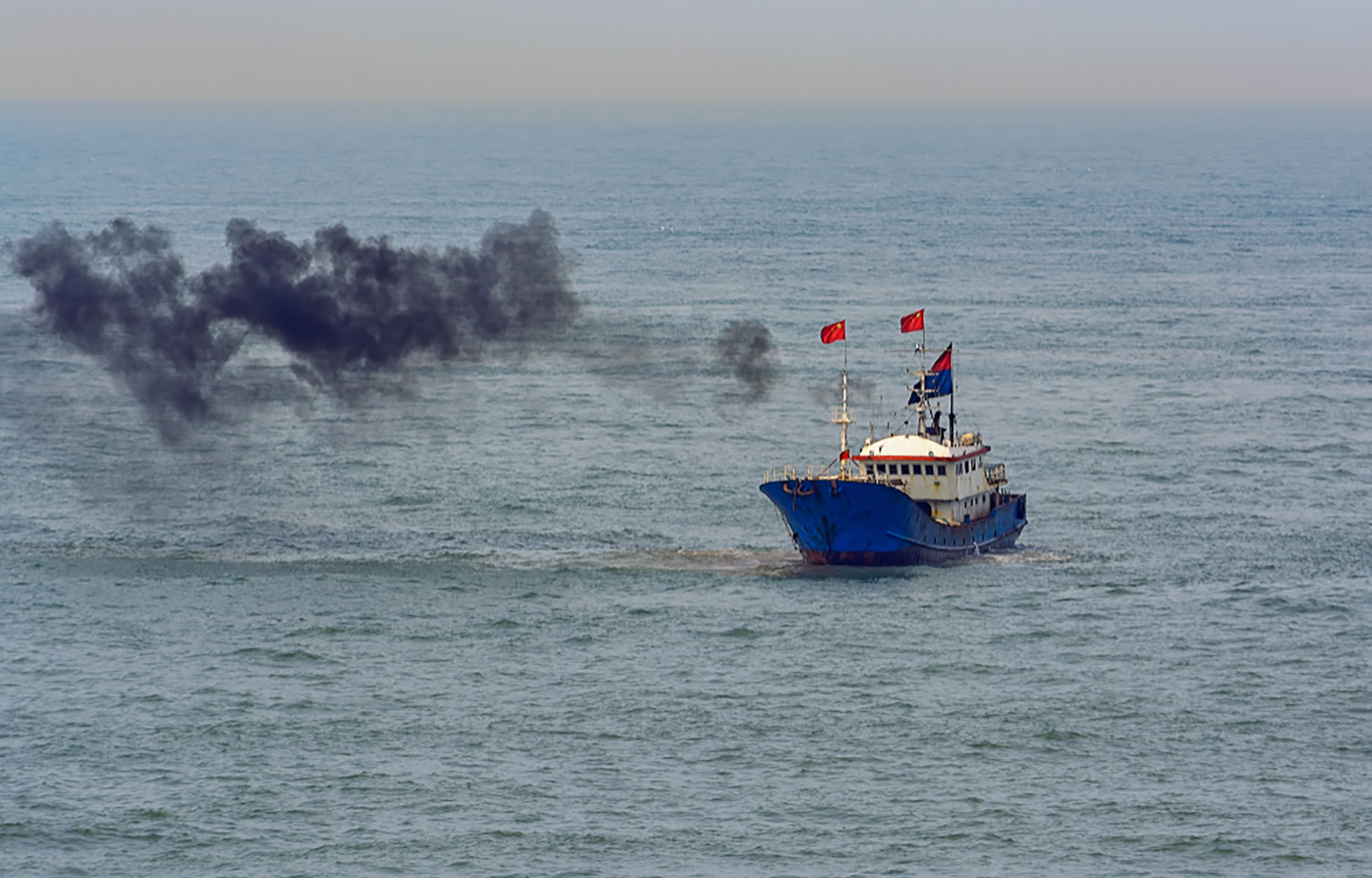
China’s distant-water fishing companies have been suffering from “high cost pressures and operating difficulties,” according to a new document published by the Chinese Ministry of Agriculture and Rural Affairs.
Due to these challenges, the ministry has recommended a wide-ranging support package to bolster the ailing sector.
Titled “Notice on Increasing Efforts to Help Distant-Water Fishing Enterprises,” the document was sent to the nation’s national and provincial governments, advising them to take various measures that could help aid the struggling operations of distant-water fishing companies.
One such measure that could come from the national government, according to the document, is simplifying the process of paying subsidies to fishing firms.
“[There is a need to] improve the efficiency of reviewing applications for distant-water fishery compliance reward and subsidy funds and implement distant-water fishery development support policies in a timely and effective manner,” the document said.
The national government, according to the document, also aims to expedite the approval process of allowing foreign workers to work for Chinese fishing firms, largely through the streamlining of immigration controls.
The document also encourages both national and provincial governments to replace decrepit vessels in the fleet with updated boats; support universities and research institutes to carry out monitoring of distant-water fishery resources; more effectively allocate quotas for tuna, saury, mackerel, and more species; and allow for internal quota transfers within the same enterprise.
Through the agriculture ministry, the Chinese government has also made promises to promote consumption of species caught by distant-water vessels through marketing campaigns both across China and at international seafood trade fairs.
The support package as a whole comes at a crossroads for China’s distant-water fleet.
Traditionally, the fleet has largely relied on international buyers for the majority of its catch. However, the sector has faced intensifying scrutiny abroad and the possibility of a World Trade Organization deal that aims to limit the types of subsidies that China frequently pays out to its fleet.
In response to the former problem, it has begun turning more heavily toward the domestic market but, simultaneously, has not given up on courting international markets wholesale. The goal, according to Tong Huaming at Shanghai Ocean University, which helps monitor the country’s distant-water fleet in cooperation with the agriculture ministry, is to achieve balance – which has proven difficult.
According to Tong, courting several international markets helps the sector avoid geopolitical challenges such as tariffs and trade wars as well as domestic issues like weak consumer spending power.
“This [international] approach serves to bypass the intricate and complex international political stage on one hand and, on the other hand, to share China’s relevant experiences in distant-water fisheries management,” Tong said in a recent research paper titled “Research on Participants in China’s Distant-Water Fisheries Management.”
Recent cooperation between the Chinese distant-water fleet with international markets includes a memorandum of understanding signed with the Argentinian province of Santa Cruz, talks with African nations such as Seychelles, Guinea-Bissau, and Mauritania, and partnerships with Pacific Island nations.
Though diversifying the markets with which it cooperates has helped to an extent, the fleet has still become the focus of several Western governments and NGOs that have documented illegal, undocumented, and unregulated (IUU) fishing and labor abuses by Chinese trawlers.
“Governments must introduce rigorous monitoring, port inspections, and import controls; policymakers must investigate and purge tainted supply chains; and global seafood buyers must demand accountability and traceability,” Environmental Justice Foundation CEO Steve Trent said in regards to his organization’s March 2024 report on distant-water fishing firm Zhejiang Ocean Family. “Zhejiang Ocean Family has been getting away with illegal fishing and human rights infringements for far too long. It is time stakeholders and governments alike finally step up to regulate the industry. The fish on our plates must not come at the cost of people, wildlife, and our shared natural world.”
Chinese representatives and academics such as Tong have vigorously defended China’s fleet against these accusations.
“[These governments and NGOs] aggressively promote false information about illegal fishing and malicious development by China in international publicity,” Tong said. “Their annual fisheries reports frequently contain deliberate smears against China, and in some cases, they incite resource-rich but underdeveloped countries to resist the operations of Chinese distant-water fishing vessels, which has a detrimental impact on the development of China’s distant-water fisheries. The involvement is driven more by their self-interest and concerns that China’s distant-water fisheries may harm their own interests.”
The recent recommendations from the Chinese agriculture ministry suggest that the nation’s distant-water fleet will continue to be a strategic national priority for China, despite its current external and financial pressures.
