






Some of the world’s largest retailers have been confirmed to be vendors of seafood sourced from Chinese tuna company Zhejiang Ocean Family (ZOF), which has recently become the focus of an Environmental Justice Foundation (EJF) report on human rights abuses.
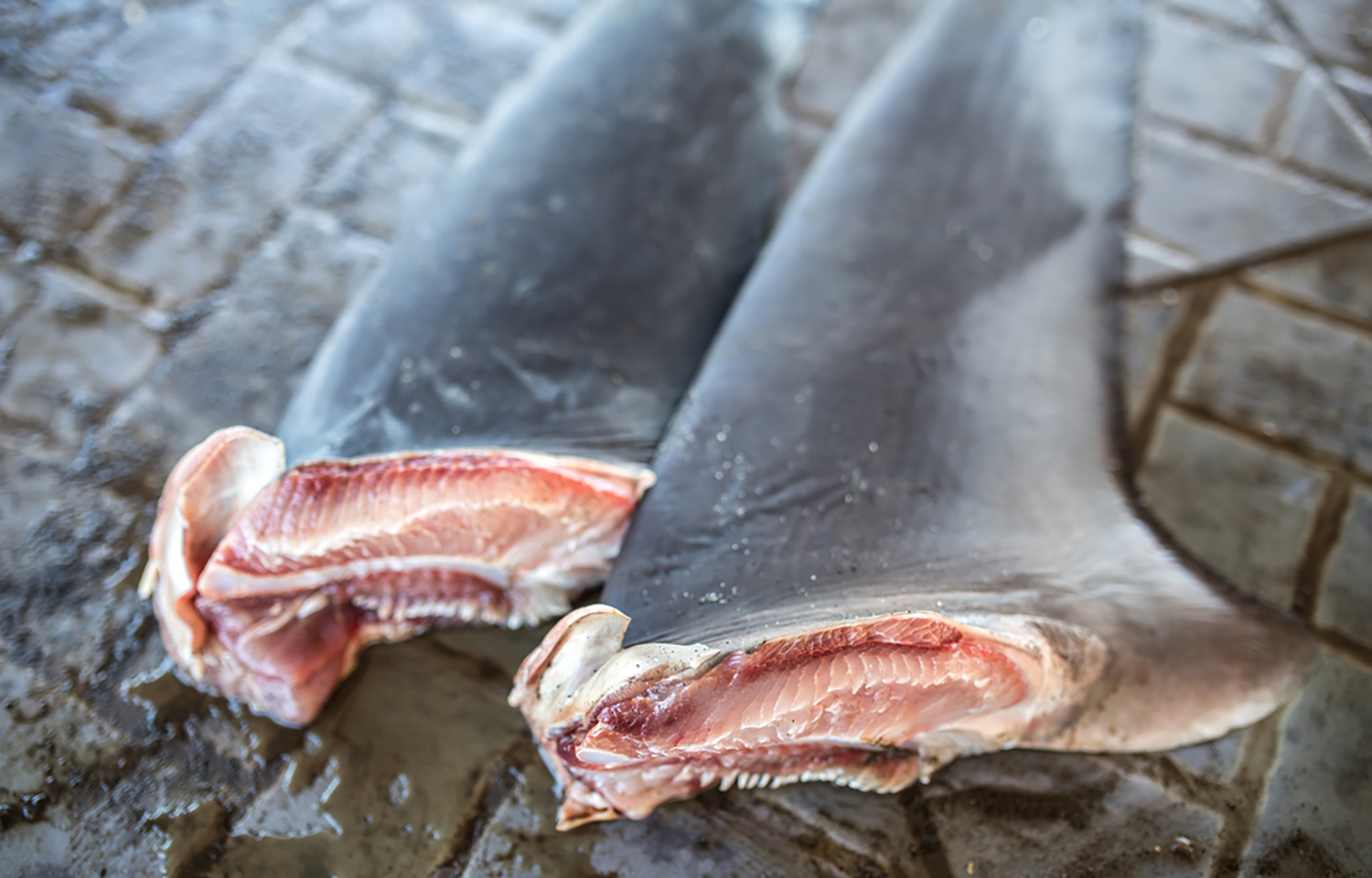
Drawing on interviews with Indonesian migrant workers who staffed ZOF vessels in recent years, the EJF has detailed labor abuse and illegal fishing such as shark finning, as well as other unethical actions, taking place aboard ZOF-owned or -associated ships, often on the high seas, where they receive little oversight.
Nearly 80 percent of the workers interviewed by EJF said they’d been subjected to excessive overtime aboard ZOF vessels, more than half said the vessel they manned engaged in illegal fishing, including the catching of protected shark species, and 8 percent said they’d had their identification documents confiscated on vessels operated by the Chinese company.
ZOF declined SeafoodSource's request for comment on the allegations.
EJF developed a list of seafood firms that purchased from ZOF vessels by using data published by the Chinese company in a canceled 2023 initial public offering. Following the supply chain further, the EJF found that these firms supplied major retailers in Japan, including Rakuten and Amazon, as well as other global retailers like Carrefour, Iceland, Lidl, Marks & Spencer, and El Corte Inglés.
EJF is now calling on these seafood companies and retailers to recall any products that may have been illegally sourced by ZOF and to subsequently cease trading with Ocean Family. EJF also recommended they reatilers work with their national food safety authorities to confirm the legality of the products.
EJF has also requested Chinese authorities investigate the claims made against ZOF, calling for “real-time, well-organized, and up-to-date lists” of Chinese-owned distant-water fishing vessels, including ownership details. It also called on China to implement the International Labor Organization’s Convention 188, which sets minimum standards for fishing workers at sea.
China’s main traditional trading partners – the E.U. and U.S. – have increased their focus on labor abuses in the supply chain of Chinese companies after a spate of investigations suggested the presence of forced labor involving the ethnic Uyghur minority working in Chinese seafood, textile, and auto production plants.
ZOF and other distant-water companies receive large government subsidies to support their operations. EJF calculates ZOF received USD 41.7 million (EUR 42.7 million) in subsidies between 2018 and 2021, with most payments categorized as compensating the company for fuel and other costs in the “utilization of international fishery resources.”
Those subsidies have led to explosive growth.
Ocean Family’s canceled IPO offers a glimpse of the large output of China’s distant-water fleet. The company’s production alone totaled 46,600 metric tons (MT) of fish products in 2019, 47,900 MT the following year, and 40,800 tons in 2021.
ZOF’s squid production totaled 16,200 MT, 29,700 MT, and 21,400 MT over those three years, as cited in the company’s IPO. That accounted for 3.8 percent, 5.7 percent, and 3.3 percent of national production in this category, according to the company.
Thanks to this output, the Chinese company stated its revenues grew from CNY 3.1 billion (USD 434 million, EUR 372 million) in 2019, to CNY 3.2 billion (USD 448 million, EUR 384 million) in 2020, to CNY 3.9 billion (USD 546 million, EUR 468 million) in 2021, with particular growth in online sales. Net profit went from CNY 260 million (USD 36.4 million, EUR 31.2 million), to CNY 198 million (USD 27.7 million, EUR 23.7 million), to CNY 392 million (USD 54.8 million, EUR 47 million) in those three years.
Squid and tuna aside, ZOF has also sought to build a broader seafood distribution business, signing deals with two Norwegian salmon firms – Lerøy Seafood and Sjor – in 2021. The company is also a key player involved in the construction of a processing facility in China with an estimated cost of CNY 1 billion (USD 140 million, EUR 130 million)
