




Regional fishery management councils across the U.S. are submitting a laundry list of items they claim to be tackling or considering in response to U.S. President Donald Trump’s executive order on “restoring American seafood competitiveness.”
Issued in April, the executive order instructed government officials to identify ways to improve the commercial fishing and aquaculture sectors while reducing their regulatory burden. The directive follows an executive order issued in Trump’s first term that claimed commercial fishing was heavily regulated, and encouraged the removal of "unnecessary regulatory burdens" such as “restrictive catch limits.”
“This latest order contained a provision, 'A New Era of Seafood Policy,' that promotes productive seafood harvests; unburdens commercial fishermen from costly and inefficient regulation; combats illegal, unreported and unregulated fishing; and protects our seafood markets from the unfair trade practices of foreign nations,” U.S. Secretary of Agriculture Brooke Rollins and U.S. Secretary of Commerce Howard Lutnick explained in a September joint op-ed published in the Anchorage Daily News.
The new executive order instructed Lutnick to work with the regional fishery management councils and other partners to “identify the most heavily overregulated fisheries requiring action and take appropriate action to reduce the regulatory burden on them.” The order also directs the councils to provide updates on the recommendations they submitted to the 2020 executive order “to reduce burdens on domestic fishing and to increase productions.”
“Building upon the earlier goals, identified actions should stabilize markets, improve access, enhance economic profitability, and prevent closures,” the order reads. “The Regional Fishery Management Councils will commit to a work plan and a schedule for implementation to ensure these actions are prioritized.”
Those updates were due within 180 days, and councils are now submitting lists of action items and recommendations they believe correspond to the president’s orders. Councils have been deliberating the order and soliciting feedback over the summer months, and they’ve begun sending their recommendations on to NOAA Fisheries.
“Over several meetings, the Council evaluated and prioritized a wide range of concerns and issues raised by members, staff, fishermen and advisors. The Council also solicited input from advisors and the public,” South Atlantic Fisheries Management Council (SAFMC) Chair Trish Murphey wrote in a 30 September letter. “We appreciate the opportunity to elaborate on the fishery management challenges within our region and look forward to working with NOAA Fisheries to address the topics identified in response to this Executive Order.”
Some of the recommendations highlighted in the councils’ letters correspond to work already being done – or already completed – by the councils. For instance, the New England Fishery Management Council’s first recommendation is approval of the Northeast Multispecies Framework Adjustment 69, which governs Northeast groundfish fisheries. However, the council finished work on the framework adjustment months ago, and it remains under consideration by NOAA Fisheries. Still, delays to its implementation has led NOAA Fisheries to issue an emergency rule to allow commercial fisheries to operate through the end of April 2026.
“Implementing these actions as soon as possible would reduce burdens on domestic fishing, increase production, improve access, enhance economic profitability, and prevent or lift closures,” the council explained.
Council chairs were also quick to point out that they have been working for years to address many of the challenges emphasized in Trump’s executive order.
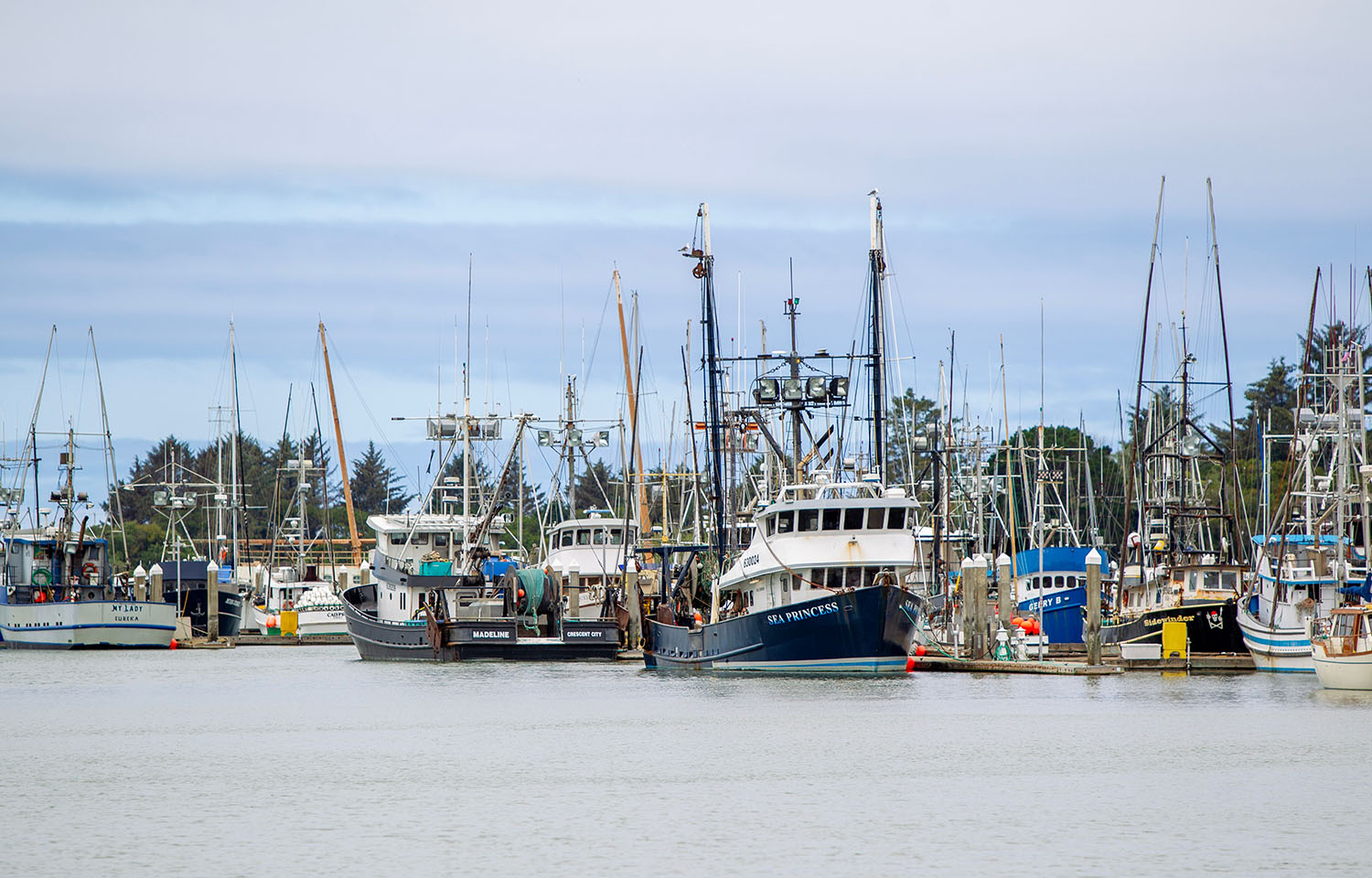
“The Pacific Council has experienced firsthand the challenges of declining landings, reduced recreational opportunities, and the loss of working waterfronts. These conditions – marked by both persistent challenges and pockets of resilience – have long guided the Council’s priorities, in ways that are fully consistent with the goals and objectives of the EO,” Pacific Fishery Management Council Chair Pete Hassemer wrote in another letter.
However, Democrat lawmakers and former NOAA officials have suggested the president’s actions during his second term are actively undermining regulators’ abilities to manage the nation’s commercial fisheries.
“I don't see how the administration is going to succeed when it spent the last four months haphazardly cutting the funding and workers that our fisheries rely on,” U.S. Representative Val Hoyle (D-Oregon) said during a House Water, Wildlife and Fisheries Subcommittee hearing on the executive order in July.
The Trump administration has pushed to shrink NOAA Fisheries’ budget and workforce during his first year back in office. Over the last several months, the government has laid off hundreds of NOAA employees, attempted to cut grant funding, rescinded salmon conservation funding, and proposed massive cuts to NOAA Fisheries’ budget and staffing levels. A Freedom of Information Act request filed by the Center for Biological Diversity revealed that NOAA Fisheries science centers had lost dozens of employees each, including fish biologists and fishery management specialists needed to assess stocks and issue regulations. The administration’s 2026 budget proposal recommended cutting NOAA Fisheries’ staffing levels by 17 percent.
The White House also threatened to use the government shutdown as an excuse to fire even more federal workers, with Office of Management and Budget Director Russell Vought announcing on 10 October that mass layoffs had begun – although no further information as to how many workers would be let go or which agencies would be impacted was provided at the time.
“Fishing communities in my state and many fishing communities around the country have been thrown into chaos due to these DOGE cuts,” Hoyle said. “You're not going to make our seafood industry more competitive by firing staff at NOAA, canceling research, banning NOAA staff from traveling to meetings, or by instigating trade wars with erratic and unstrategic tariff policies.”
In its response to the president’s executive order, the North Pacific Fishery Management Council pointed out how important NOAA Fisheries’ work is for a competitive seafood industry.
“A strong foundation of science-based, sustainable fisheries management in the North Pacific facilitates long-term production of fisheries resources in this region," the council said. The NPFMC continues to express its utmost support and need for the core marine surveys in the North Pacific, for survey modernization actions that are underway through NOAA Fisheries, for fisheries-dependent data collection and monitoring, and for the dedicated NOAA Fisheries staff who support these agency functions. It is this foundation that drives investment in stable and prosperous North Pacific fishing businesses and communities, creates market advantages for North Pacific seafood resources, and allows harvest of optimum yield.”
