






A World Trade Organization (WTO) deal struck in 2022 aimed at ending harmful fisheries subsidies around the world recently entered into force, requiring nations that have ratified the deal to meet several new reporting requirements.
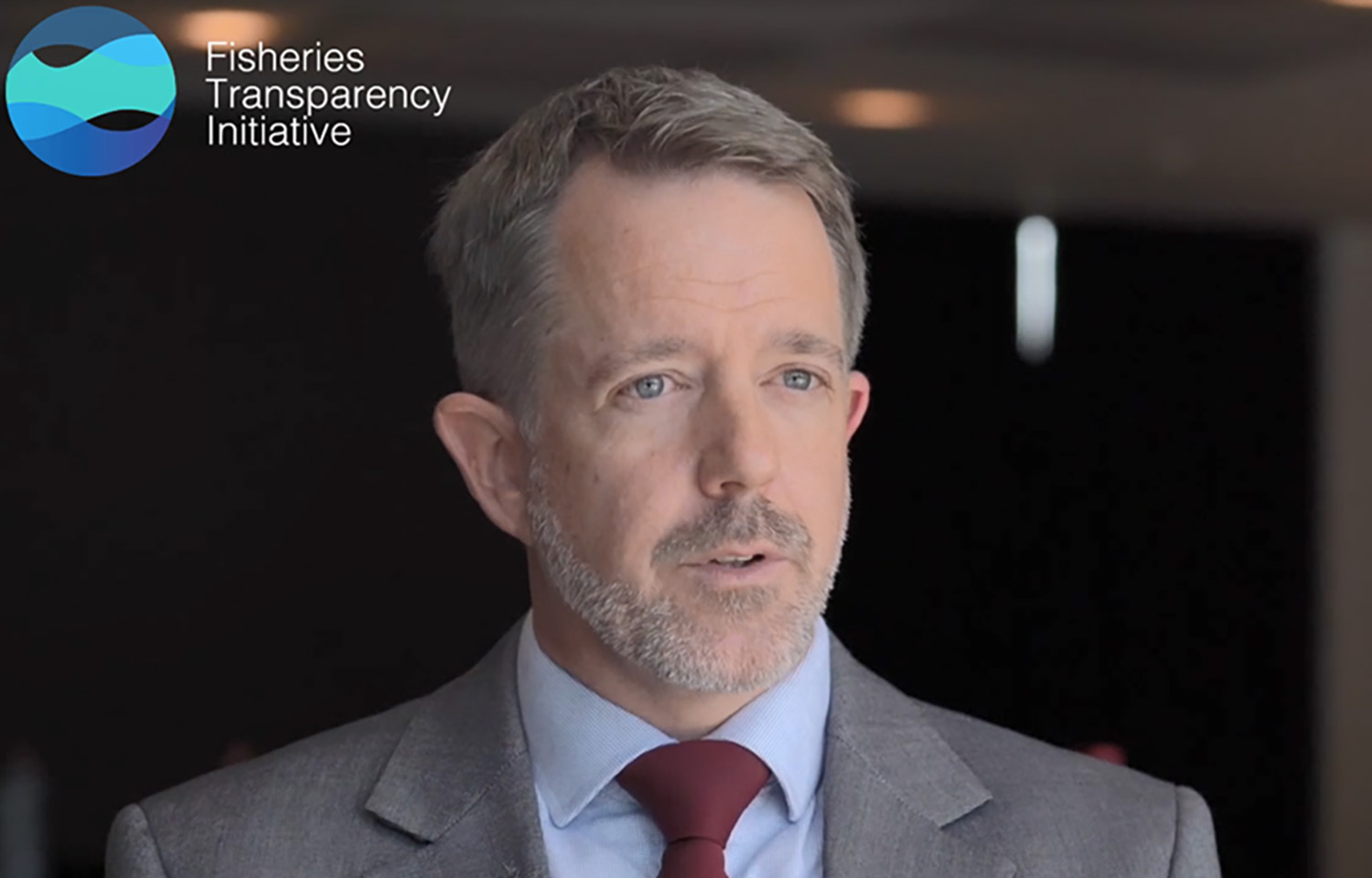
Sven Biermann, the executive director of the Fisheries Transparency Initiative (FiTI), said his organization now has a great opportunity to become governments’ preferred mechanism through which they meet the deal’s new stipulations.
Biermann told SeafoodSource that becoming a partner with FiTI will be “especially beneficial” for WTO member nations given that the newly released FiTI Standard 2.0 already requires much of the information now required by the 2022 agreement.
“Countries that already report under the FiTI Standard have a headstart in fulfilling the reporting obligations under the WTO agreement,” he said.
Biermann further explained that while there was already a requirement for WTO members to report subsidies specific to particular industries under its Agreement on Subsidies and Countervailing Measures (ASCM), “the novelty of the 2022 agreement is the obligation to provide, as part of these regular subsidy notifications under the ASCM, specific fisheries information.”
For instance, WTO members, Biermann said, will be required to provide information on the type or kind of fishing activity for which they provide subsidies and then the WTO can gauge whether those subsidies are given to wild catch operations targeting stocks that are overfished – which is forbidden under the deal.
To meet these requirements and improve transparency to the wider public, Biermann said FiTI can help countries collate and publish their fisheries information online with its Fisheries Information System (FIS) – a front-end informational tool. The first countries slated to use the FIS next year are Sao Tome and Principe, Cabo Verde, Madagascar, and Ghana.
FiTI also recently announced a public consultation window for the first draft of its updated FiTI Standard 2.0.
According to Biermann, FiTI has updated its standard because in the decade since it was originally launched, international agreements like the 2022 WTO deal “have raised the bar in terms of what information governments are expected to make public.”
