


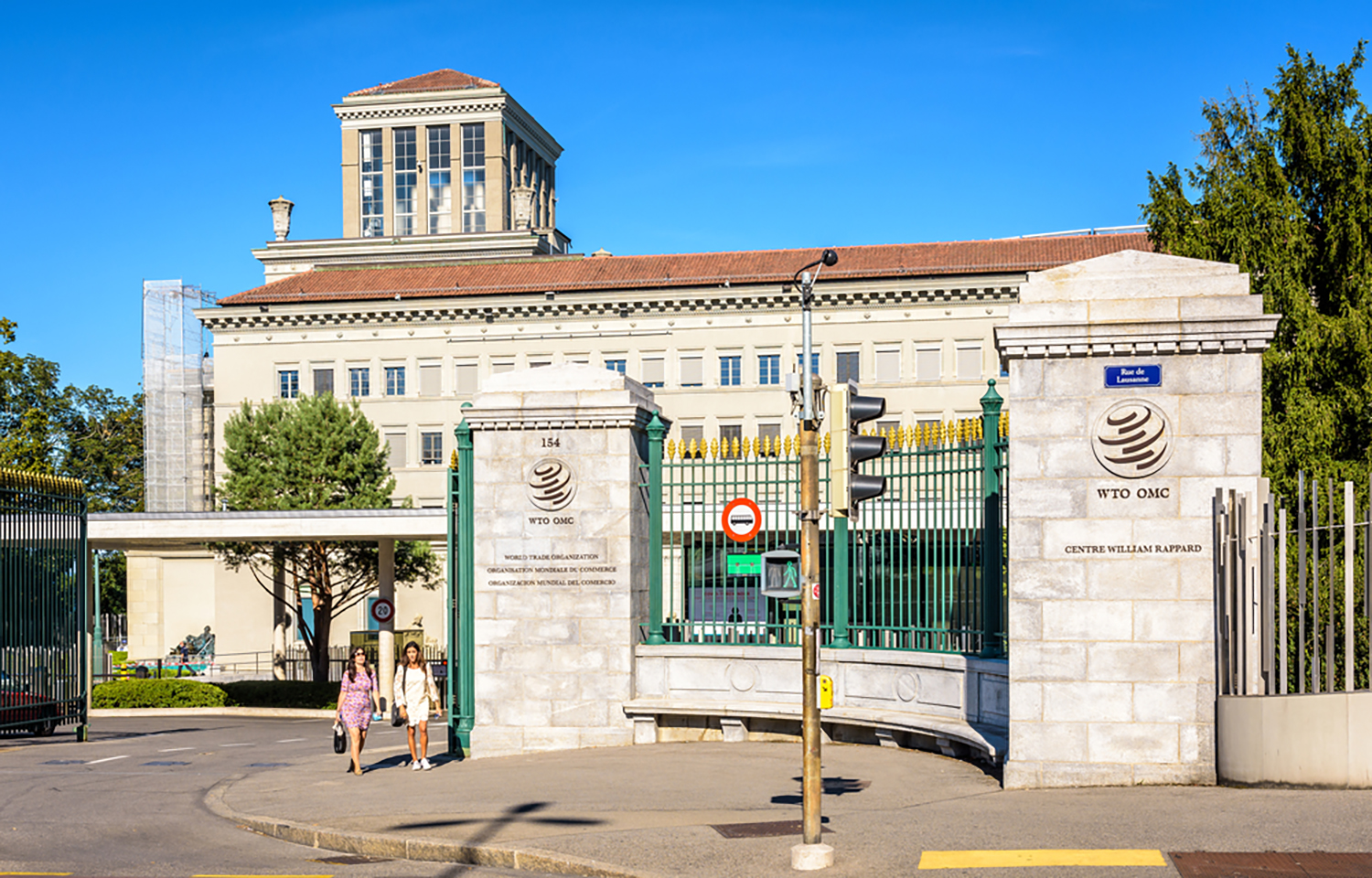
A World Trade Organization (WTO) agreement to end harmful fisheries subsidies, originally signed by WTO member nations in 2022, is set to enter into force after the requisite number of countries have now ratified the deal.
The agreement prohibits global subsidies that support vessels engaging in illegal, unreported, and unregulated fishing activities, fishing overfished stocks, and operating on the unregulated high seas.
“For far too long, harmful fisheries subsidies have facilitated the devastation of marine wildlife, local livelihoods, and food security around the world,” Environmental Justice Foundation CEO and Founder Steve Trent said in a press statement when the deal was struck in 2022. “The use of these subsidies has meant that wealthy countries have been able to hand out funds that have directly destroyed livelihoods in poorer nations. Today, thanks to this progressive decision, we are a significant step closer to ending that deep injustice.”
Agreeing to a draft text was just the first step in the chain toward enforcement, however.
Formal acceptance from two-thirds of WTO members, comprising 111 member countries in total, was then required for the agreement to enter into force. Sri Lanka and Nepal both ratified the agreement in August, which left just four additional WTO member nations to ratify the agreement for it to hit the necessary number.
A trade source in Geneva, Switzerland, where the WTO is based, told SeafoodSource that since Sri Lanka’s and Nepal’s ratifications, the final member country commitments have been reached to put the agreement over the threshold.
The ratification of the deal could serve as a morale boost for the WTO, which has struggled for years to draft a follow-up deal aimed at strengthening the 2022 agreement.
The follow-up deal – the text of which is referred to as Fish 2 – specifically aims to end subsidies that lead to overcapacity and overfishing around the globe.
Delegates from India have sought major changes to Fish 2’s draft text – namely that a country’s fishery subsidies are calculated per capita rather than in absolute terms – leading to the draft text being withdrawn for consideration at the WTO’s general council meeting last December, a meeting where many had thought the deal would be sealed.
Complicating the negotiations further, there are indications U.S. delegates have also changed their position at the talks, seeking new provisions in the draft text to prohibit forced labor on fishing vessels.
