






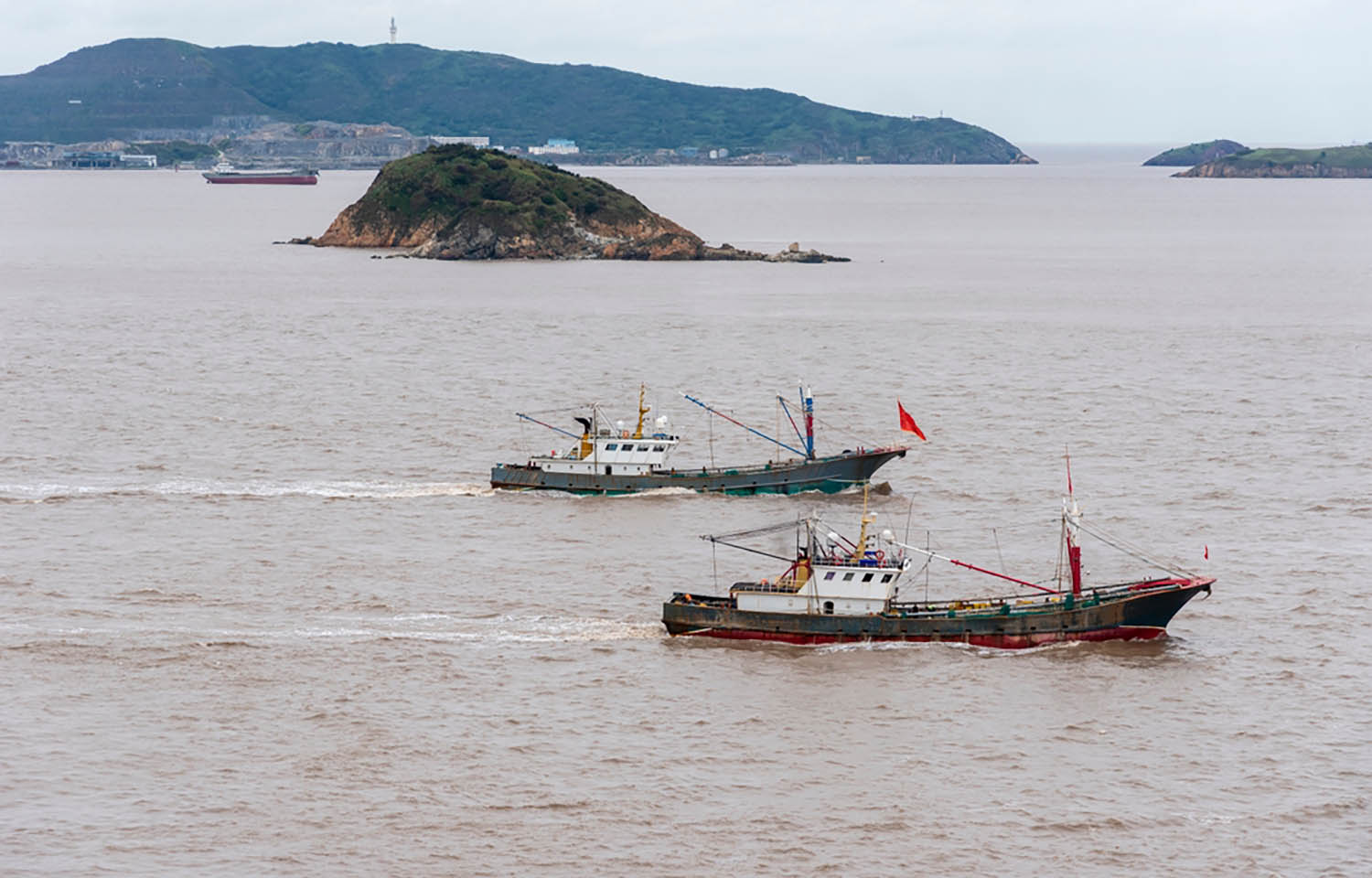
The transparency of Chinese government data on its fishery sector has come under scrutiny in a new report from the Fisheries Transparency Initiative (FiTI), a Seychelles-based nonprofit that aims to strengthen transparency and collaboration in global marine fisheries management.
FiTI is a global multi-stakeholder partnership that monitors the extent to which various governments publish fisheries information online. The organization receives funding through grants from the World Bank, the aid arms of the German and Irish governments, and through philanthropy. The initiative’s biggest funder is the Gordon and Betty Moore Foundation, a U.S. conservation charity.
On 13 August, FiTI released “Taking Stock: Online Transparency in Fisheries Management Information [People’s Republic of China]”, providing an overview of how forthcoming China is in providing publicly accessible information regarding its nation’s massive fisheries industry.
While the report commends China’s publication of certain material online, including a draft of updates to its nationwide fisheries law, it points out there is no public access to data on the beneficial ownership of China’s fleet. Likewise, there’s no publicly available data on China’s official assistance programs that support the development of fisheries in other countries.
Elsewhere, the report said China does not publish information on the health of the stocks in its domestic waters nor does it clearly delineate its catch volumes.
FiTI said China's labor standards are weak, but it does offer some public access to data on enforcement measures for abuse of workers. However, it does not released any details of sanctions handed down for particular offenses or offenders.
China posts some seafood trade data online, but there’s no public access to data on landings in Chinese ports, subsidy payments to individual vessels, or details of the activities of Chinese-flagged vessels in foreign waters.
Specifically, FiTI found the data being published on subsidies paid to Chinese fishing vessels was “confusing” and “partial.”
“China’s subsidies to the fisheries sector are complex and are provided by different government agencies. Our assessment could not locate a government report that provided a concise explanation of how subsidies work and what formula is used to determine subsidies to individuals and companies," the report said.
The report follows a separate Planet Tracker report detailing the Chinese government’s financial stake in its tuna sector. China's subsidization of its distant-water fleet was also highlighted when its government recently admitted some of its subsidized vessels did not comply with a 2022 World Trade Organization deal aimed at eliminating harmful fisheries subsidies. Following its admission, China said it would cancel subsidies to these vessels.
If the WTO deal is ratified, China will be required to make robust reports on subsidy payments it makes to its distant-water fleet.
The WTO is also working on a proposed extension of that 2022 agreement, aimed at eliminating subsidies that lead to overfishing and overcapacity in global fleets, which would put more onerous requirements on the Chinese government to report data. Talks on that strengthened deal broke up before the WTO’s summer recess without agreement, however.
In the meantime, FiTI recommended China address existing information gaps regarding its fisheries, improve the accessibility of information on the its Agriculture of Ministry website, increase access to government databases overall, and strengthen China’s role in advancing transparency, hopefully setting an example to other countries in the process.
FiTI invited the Chinese government to contribute to the report, but it declined. China has also not committed to joining or supporting FiTI’s mission.
Though FiTI does not have a working relationship with China, the initiative has worked extensively with several developing countries that host Chinese vessels in their waters, among them Mauritania. FiTI has encouraged these countries to publish data about fishery access agreements with China and other partners, with mixed success.
In 2021, FiTI CEO Sven Biermann told SeafoodSource nations like Mauritania were attracted to the FiTI process because they want the opportunity to improve management of their fisheries and, thus, extract more economic value from the sector.
FiTI has also worked with other developing countries that host Chinese vessels, including, until recently, Senegal. On 15 August, FiTI announced Senegal had its membership removed for failure to meet deadlines set by FiTI, such as appointing a FiTI lead ministry and a FiTI national lead.
