






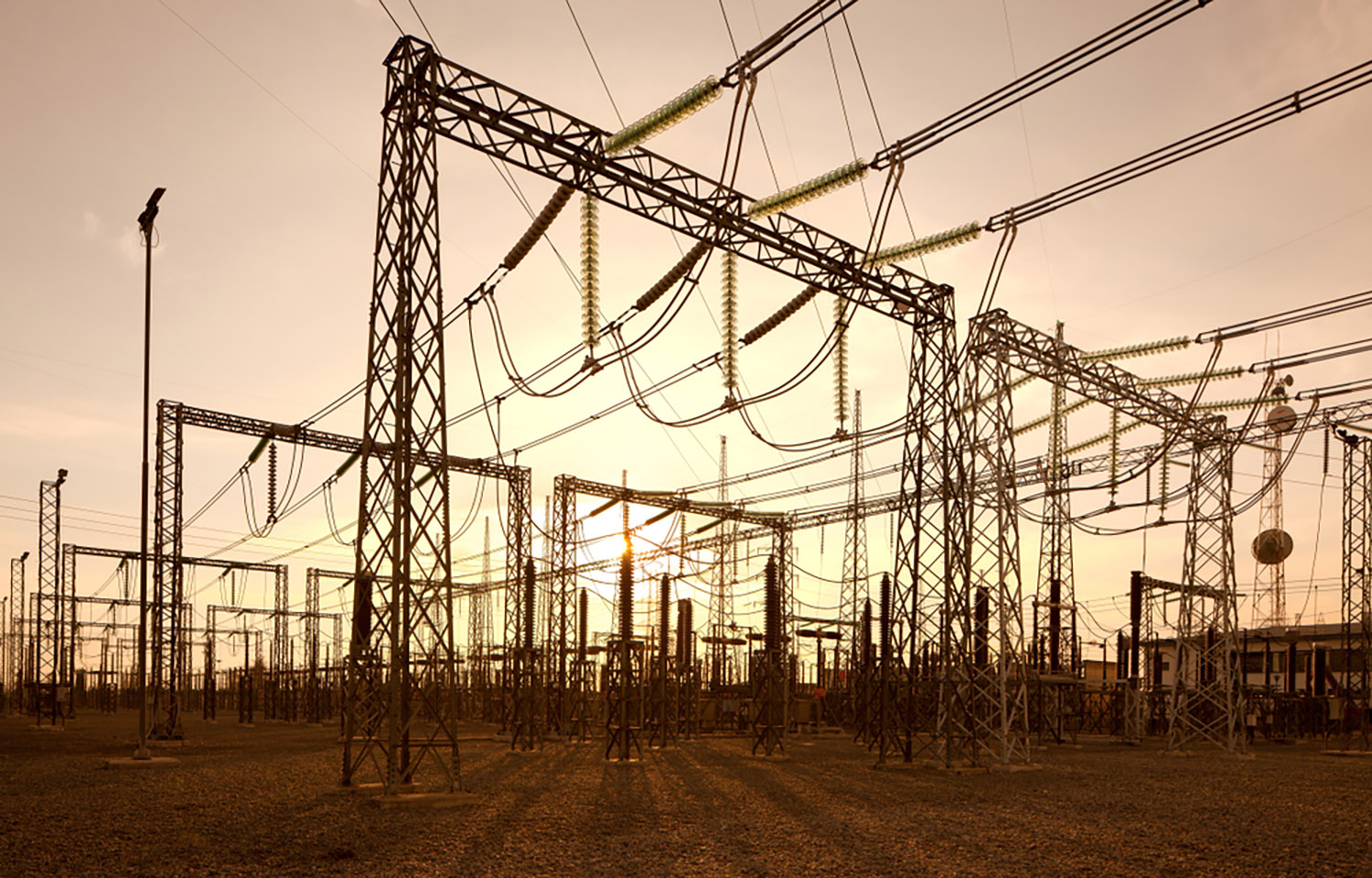
A major power outage hit Chile at 3:16 p.m. on Tuesday, 25 February, affecting the entire nation.
While most of the power had been restored by midnight, the event raised concern in the country’s salmon-farming industry.
Chile’s National Electricity Coordinator (CEN) reported that the electric supply interruption was caused by a disconnection of the transmission system in the north of the country, affecting areas from the northernmost city of Arica and moving 2,400 kilometers south through the southern Los Lagos Region.
CEN President Juan Carlos Olmedo said that the disconnection was due to “an unwanted operation in the line’s control and protection system.”
Soon after the blackout occurred, failed traffic lights snarled traffic in many cities, subways stopped working, airports were forced to reschedule flights, the water supply was affected in some areas, people were trapped in elevators, and internet connectivity and telecommunications services were intermittent.
Chile President Gabriel Boric's government decreed a state of emergency due to the outage and implemented a curfew between 10 p.m. and 6 a.m. on 26 February. Some 3,000 military personnel were deployed to maintain order and security, according to the Undersecretary of Defense.
“What happened today outrages us because it is intolerable that the responsibility of one or more companies affects the daily lives of millions of Chileans,” Boric said in a national address. “We are going to make sure that those responsible for this emergency respond.”
Marta Cabeza, the superintendent of Chile Superintendence of Electricity and Fuels (SEC), reported that authorities had launched investigations to find out the cause of the outage. The government attributed the origin of the massive blackout to the firm ISA Interchile.
The event raised red flags for the salmon industry, even though farmers reported minimal operational disruptions thanks to emergency backup systems.
“Salmon farming is an industry with high technological standards and robust backup systems, designed to maintain operational continuity even in critical scenarios like this. Thanks to these capabilities, the industry was able to respond efficiently and minimize disruptions,” SalmonChile Public Affairs Manager Tomás Monge told SeafoodSource. “However, events of this magnitude generate concern since their impact goes beyond companies, affecting communities, the areas where we operate, and the entire production chain that depends on [salmon farming].”
Salmones Antártica Technical Manager Paulo Palacios said that while the backup systems worked well at the company, the event could have created problems if it lasted longer.
“For some time now, our national energy transmission system has been showing shortcomings; it is an issue that must be addressed more seriously,” he told Salmonexpert.
