





Patriotic Prawns, a new program out of Mississippi, is hoping to educate the public about where the shrimp they’re consuming at restaurants comes from – but said they are finding that many of the state’s restaurant owners are unenthusiastic about committing to serve 100 percent U.S.-sourced shrimp from the Gulf of Mexico.
After a December 2024 study showed that many Mississippi restaurants were serving imported shrimp to unsuspecting customers, the owner of a local shrimp processing and delivery company decided to take action. Bethany Fayard, Vice President of Ocean Springs Seafood, started the Patriotic Prawns program, which entitles participants who agree to random freezer inspections and reviews of shrimp processing records to a sticker that advertises that their business sells 100 percent U.S. sourced shrimp.
“You would think that after all the hubbub and the news [coverage of the program], people would be banging on our door,” said Fayard. Fayard said that hasn't been her experience, however, since she began offering the program for free to her customers.
“We’ve got four restaurants that have put the stickers up. The problem is that there aren’t hardly any restaurants that are just serving domestic,” Fayard told SeafoodSource.
Fayard said that she was surprised to learn how many of her customers, who buy Gulf shrimp from her, want to at least retain the option of serving some imported shrimp, and were thus unwilling to commit to the program.
“Finding people that are using 100 percent domestic shrimp, and that are willing to put a sticker on their window, is nearly impossible,” she said.
As Patriot Prawns participant Rhonda Villers, owner of Ocean Springs restaurant Martha’s Tea Room, put it in an interview with local news WLOX, “this is a shrimper place.” The location of many coastal restaurants alone, she implied, is enough to make some customers assume that they are eating local shrimp.
“There’s no law against using imported shrimp,” Fayard pointed out. If a program participant did put up the Patriotic Prawns sticker and then later sold imported shrimp, however, that would constitute fraud. “The second that he puts that sticker on his window [and sells imported shrimp,] he’s breaking the law,” said Fayard. She has found that most Mississippi business owners “want the flexibility to keep selling imports if they want to and not to have to advertise it if they’re not.”
The December report, by SeaD Consulting, which claimed to have uncovered “widespread misrepresentation” of imported shrimp in Mississippi, highlighted the allegedly misleading and deceptive practices that some local businesses were using, including labeling shrimp sourced from Argentina as “royal red” – a species local to the Gulf of Mexico – and charging the premium prices associated with local shrimp when they were actually serving cheaper imported products.
Though Fayard’s program hasn’t found wide acceptance yet, there is growing concern about the problem among U.S. regulators. In its December report the U.S. International Trade Commission (ITC) argued many restaurants were profiting from their customers’ confusion over shrimp origins.
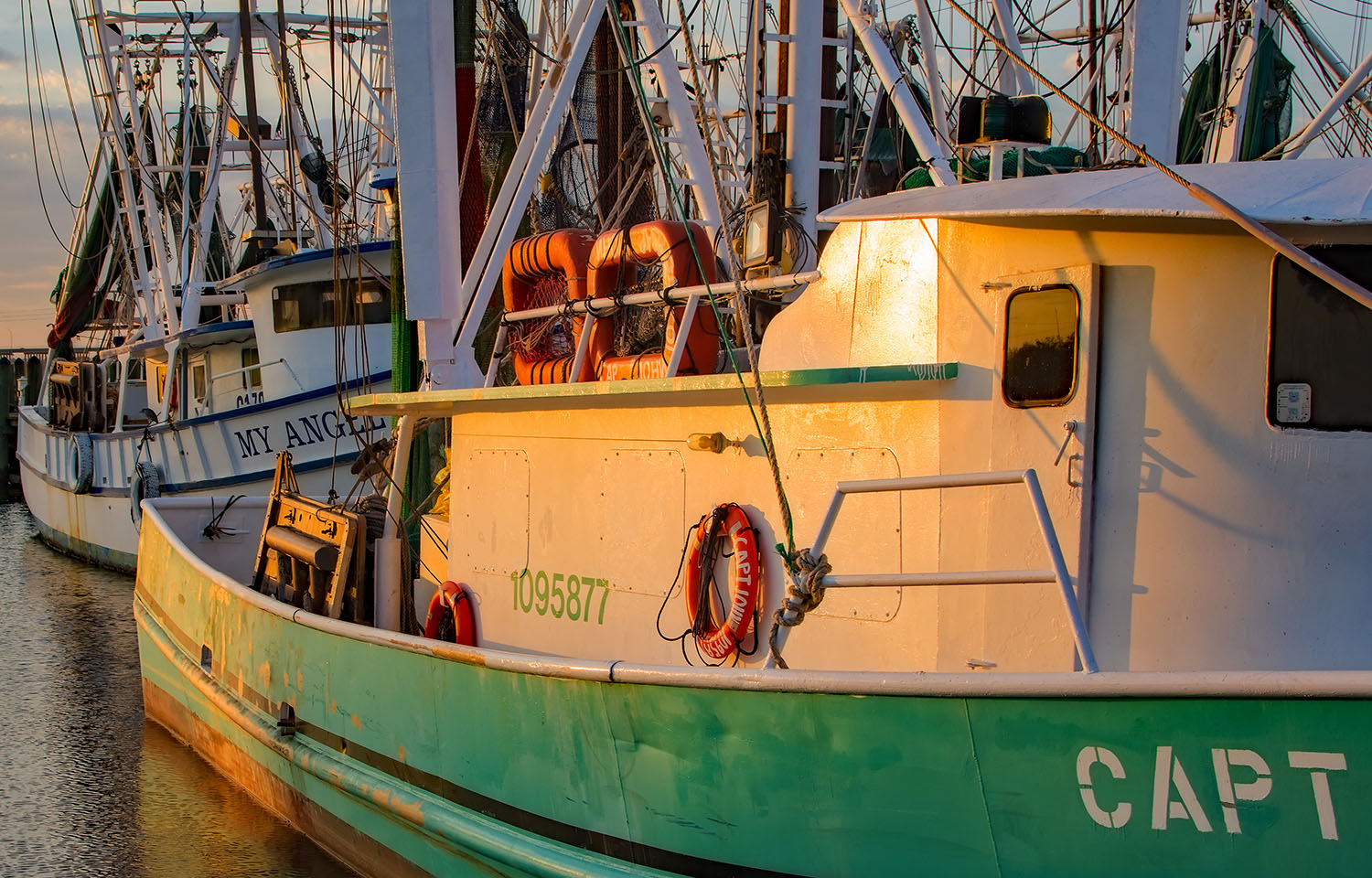
“The record indicates that seafood restaurants frequently advertise their selections with pictures of U.S. Gulf Coast shrimp boats and nets, suggesting that they serve domestic wild-caught shrimp, but, nevertheless, serve only farmed imported shrimp and that distributor and retailer customers discourage U.S. processors from labeling their shrimp as ‘Made in the U.S.A.’ to differentiate it from imported shrimp,” the report said.
The ITC argued that if customers could not distinguish the differences between imported shrimp and U.S. shrimp on restaurant menus, the two products were placed in unfair competition. ITC said the current situation leaves customers unsure why they are sometimes asked to pay more for Gulf shrimp, since they don’t always understand when they are eating imported shrimp. It also leaves them vulnerable to exploitation through fraud, since restaurants can charge premium prices if their customers’ assume they are eating Gulf shrimp when they are actually eating imported shrimp.
The U.S. shrimp industry has suffered historically low landings and prices in recent years, in part, the ITC argued, due to this unfair competition.
Though nearby states like Louisiana have started requiring that businesses label their shrimp as imported, Mississippi does not require them to do so. This means that restaurants can “fly under the radar,” Fayard said.
When the labeling laws began in Louisiana, Fayard saw a jump in purchases of Gulf shrimp from the New Orleans restaurants she supplies. When the restaurants weren’t forced to label their shrimp, she said, they weren’t willing to pay premium prices for Gulf shrimp. When the laws changed, however, and they were forced to mark the origins of their shrimp explicitly, they chose to pay more for domestic shrimp.
“They don’t want to put ‘Indian’ on their wall,” she said.
If her program became popular, she said, and the “public would be like, ‘Hey, why don't you have a sticker?’ then they might be forced to switch.”
Though he’s supportive of the Patriotic Prawns program, Mississippi Department of Marine Resources Executive Director Joe Spraggins thinks changing the law is necessary. He’s proposing a law that would require restaurants to label the shrimp on their menu with its location of origin. Mississippi has a similar bill, dating back to the 1970s, which requires the labeling of catfish as domestically produced or imported.
“We’re not saying that you can’t serve import. You can serve import fish, import shrimp, anything. That’s fine. But the point is, at least put that it’s import,” Spraggins told local station WLOX.
That would give the consumer the ability to make an informed decision about what they’re eating, and what they’re willing to pay for it, Spraggins said.
