






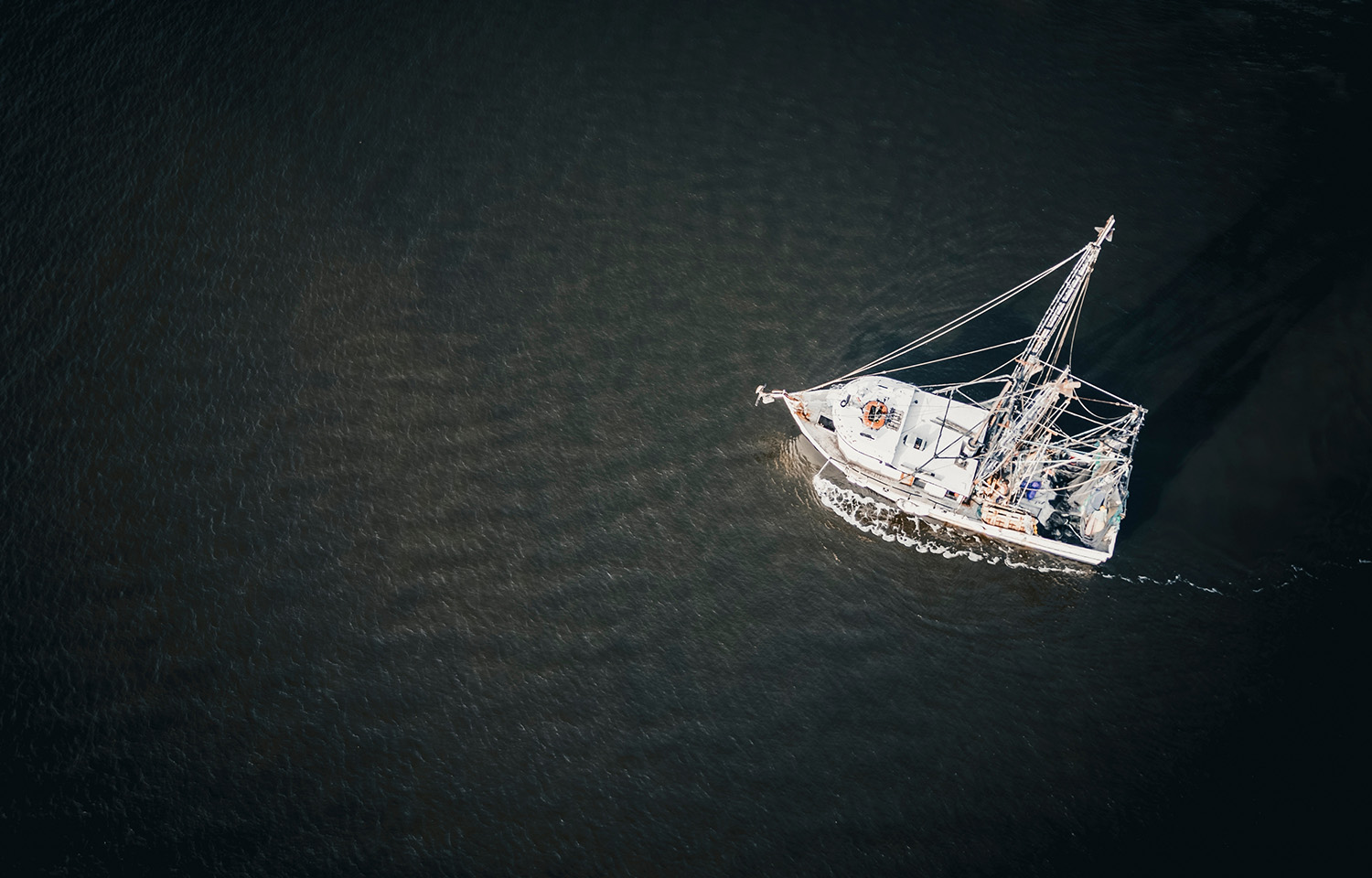
The Southern Shrimp Alliance (SSA) claims that 96 percent of the shrimp tested at restaurants in Tampa and St. Petersburg, Florida, U.S.A., was imported, despite being largely marketed as domestic product.
DNA testing conducted by Houston, Texas, U.S.A.-based SEAD Consulting found that of 44 restaurants sampled, only two – Salt Shack on the Bay in Tampa and Stillwaters Tavern in St. Petersburg – were confirmed to be serving local Gulf of Mexico shrimp.
“When diners think of Tampa and St. Pete, they think of seafood fresh from the Gulf,” SEAD Consulting Founder and Commercial Fishery Scientist David Williams said in a statement. “To discover that the majority of restaurants are serving shrimp sourced from overseas is a wake-up call for the area’s food scene.”
The results of the Tampa and St. Petersburg testing were extremely high, but SSA Executive Director John Williams said the findings did not come as a shock.
“It really didn't surprise me,” Williams told SeafoodSource. “I didn't realize it'd be that high, but even at that number, it didn't surprise me because I know sales of imported products are certainly greater than what we can provide [domestically].”
The testing reveals a serious concern for domestic shrimp producers, according to Williams, as foreign suppliers are using images and branding that makes their product look like its domestically sourced, even when it’s not. Restaurants and retailers can also use decorations and images that evoke the Gulf’s heritage of locally sourced shrimp, even when the shrimp they’re selling is of foreign origin.
“It's all about the money,” Williams said. “They can get this stuff cheaper than what they can buy our product for but then use our products to advertise it and sell it, saying this is Gulf shrimp and it's really not.”
In December 2024, the U.S. International Trade Commission (ITC) issued an alert warning that U.S. consumers are frequently being misled as to the origins of the shrimp they’re consuming.
“The record indicates that seafood restaurants frequently advertise their selections with pictures of U.S. Gulf Coast shrimp boats and nets, suggesting that they serve domestic wild-caught shrimp but, nevertheless, serve only farmed imported shrimp and that distributors and retailers discourage U.S. processors from labeling their shrimp as ‘Made in the U.S.A.’ to differentiate it from imported shrimp,” the commission said.
“It's whatever they get the cheapest, and the misleading stuff in restaurants, it kind of indicates that it's wild-caught domestic product, but it's certainly not,” Williams said. “We're certainly not trashing the imported product, but what they're doing is wrong, trying to use our marketing for their [imported] product.”
In September 2024, the Federal Trade Commission sent a reminder to U.S. restaurants that using decorations or menu descriptions to mislead customers about seafood origins is illegal.
SEAD Consulting conducted testing at several seafood markets, restaurants, and festivals in 2024, with some tests revealing shocking levels of foreign-harvested shrimp. Sampling at the Louisiana Shrimp & Petroleum Festival revealed that four out of five venders were serving foreign shrimp, as did sampling at the National Shrimp Festival in Gulf Shores, Alabama.
“Growing up in St. Mary Parish in a family of generations of commercial shrimpers, I was appalled to learn of the widespread selling of imported shrimp at the Louisiana Shrimp & Petroleum Festival,” Louisiana State Representative Jessica Domangue (R-Houmawrote) said in an open letter to event organizers following the revelations. “Consider the absurdity if vendors openly used imported strawberries at the Strawberry Festival to make a ‘quick extra buck’ and undermine the local farmers the festival is supposed to celebrate. Please take a step back and realize this is precisely how the general public views this incident.”
Williams said that SSA plans to continue working with SEAD Consulting to conduct more shrimp origin tests in 2025.
