




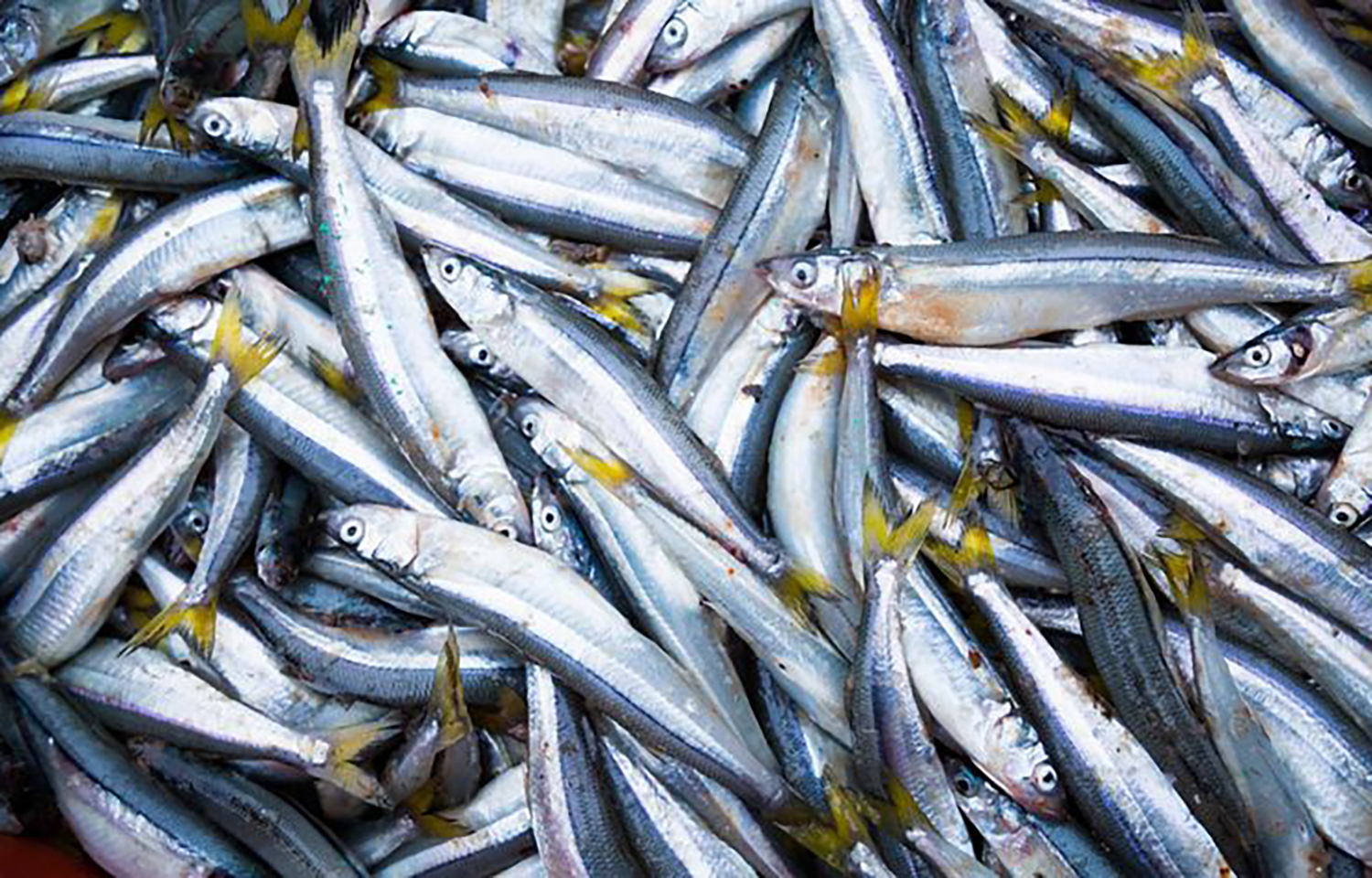
Peru’s Production Ministry (PRODUCE) has authorized a 7 November start for the second anchovy-fishing season of 2025 in the nation’s North-Central zone.
PRODUCE established a provisional total allowable catch (TAC) of 500,000 metric tons (MT) for the season, with a final quota to be confirmed once the results of a scientific survey overseen by PRODUCE’s technical arm Imarpe are available.
“The start of the second season with a provisional quota is a sign of confidence in the recommendations of our scientific research and in the sector’s commitment to sustainability,” Peruvian Fisheries and Aquaculture Deputy Minister Jesús Barrientos said.
In comparison, Peruvian authorities established a TAC of 3 million MT for the first North-Central season of the year in April – the second-highest seasonal quota set in the last decade. However, that season ended earlier than expected due to the high presence of juveniles, with total catch only reaching 2.46 million MT – 81.9 percent of the TAC.
Since that season ended, Peruvian waters have experienced an increase in thermal anomalies, fluctuations in the intensity of coastal winds, and the intrusion of subtropical surface waters that are more saline, the latest Imarpe report has found. According to Imarpe, this phenomenon has caused a redistribution of anchovy from the North-Central stock, with lower than normal acoustic biomass observed in the zone, resulting in the lower provisional TAC for the zone’s second season.
“It is important to verify the spatial redistribution, the current oceanographic conditions, and the decline of the reproductive process prior to making decisions based on the best available evidence, ensuring the balance between the conservation of the marine ecosystem and the continuity of fishing activity,” Barrientos said.
Imarpe found that Peru’s South zone – which normally has just a fraction of the anchovy resource compared to North-Central – boasts a biomass 231 percent above its historical average, confirming that part of the biomass has moved south in response to the aforementioned oceanographic changes.
“The anchovy is an emblematic resource of Peru and an economic engine that generates thousands of direct and indirect jobs. Our responsibility is to ensure that their use remains sustainable and in harmony with nature,” Barrientos said.
Despite the shifts, anchovy companies are preparing for the launch of the season by incorporating modern vessels while working to reduce the environmental impact on operations, according to Peru’s National Fisheries Society (SNP).
For instance, Austral Group introduced a new ship; TASA added two modern vessels that have 1,000 MT and 1,200 MT of hold capacity, respectively; and Pesquera Diamante launched the 58-meter-long vessel Costanza, which was built in the company's own shipyards.
Elsewhere, as part of its expansion strategy, Pesquera Hayduk acquired an anchovy-processing plant in Ica; TASA announced the conversion of its energy matrix to natural gas at its fishmeal processing plant in Chimbote; and Exalmar moved to purchase Pesquera Centinela.
Besides a relatively low TAC, the industry also has to contend with political shifts, as the upcoming season follows close behind the naming of José Jerí as Peruvian president.
“[This] instability deserves a reflection on the political class that leads the country and the way in which citizens get involved in politics and elect our presidents. It is a wake-up call about who we give power to and the importance of electing authorities in an informed and responsible way,” SNP President Jessica Luna said in an op-ed piece. “Today the main problem facing our country is insecurity [including] organized crime, mafias, extortion, all fueled by the growth of illegal economies. Now, exceptional and tough policies are required to fight against this scourge that has Peruvians in check every day.”
The SNP told SeafoodSource that protests in the country, stemming back to Dina Boluarte's presidency, have not interrupted fishing activities or fishmeal production to date.
