





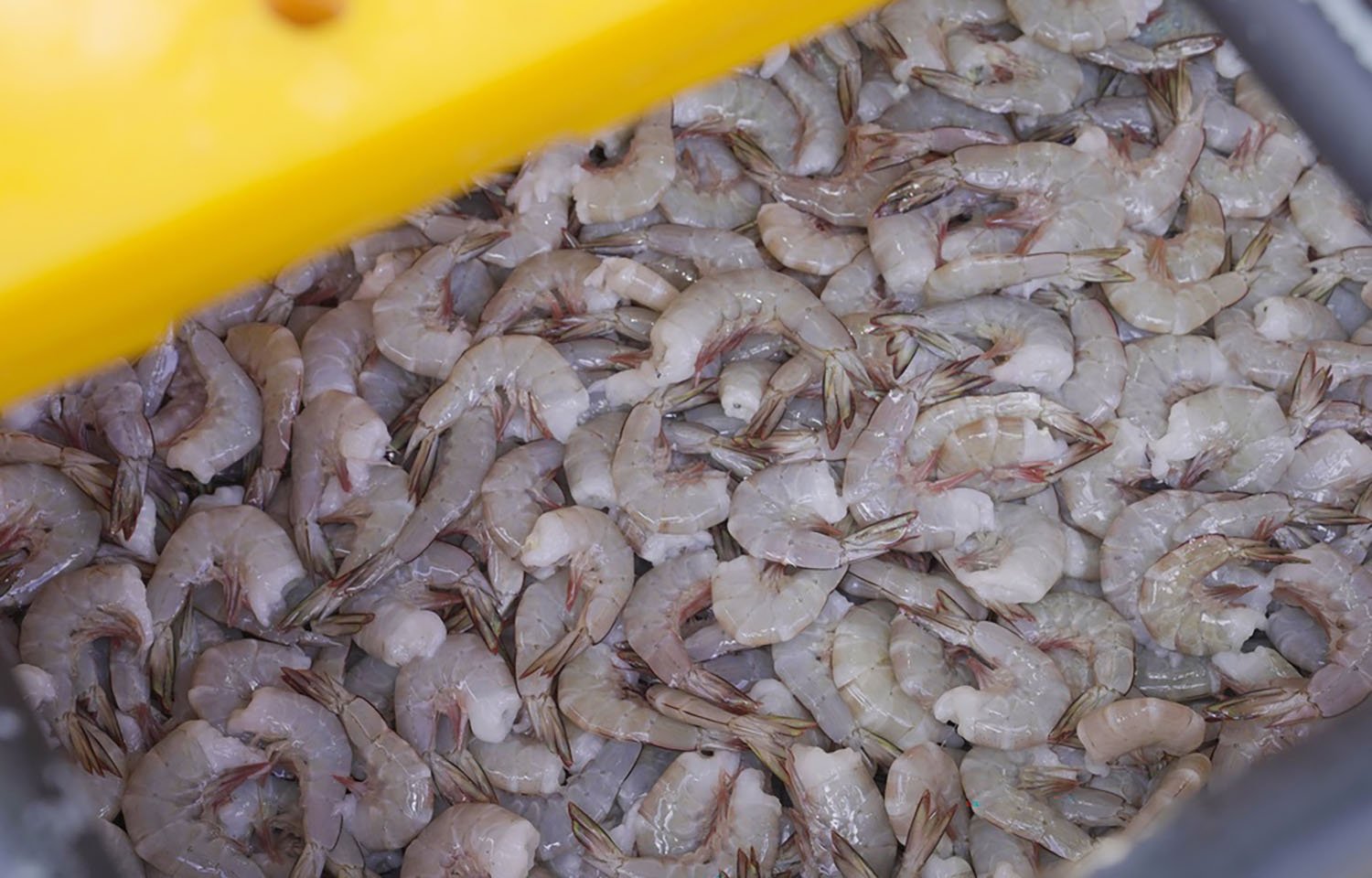
Saudi Arabia has officially revoked its suspension on shrimp imports from Indonesia, which was originally implemented in September 2025 due to concerns over potential Cesium-137 (Cs-137) contamination.
Cs-137 is a radioactive isotope that is a byproduct of nuclear fission or weapons testing and has been found in elevated concentrations in areas where nuclear accidents have occurred, such as Chernobyl, Ukraine, and Fukushima, Japan.
Last year, Cs-137 was found on shipments of Indonesian shrimp to the U.S. Indonesian authorities then confirmed that Cs-137 was detected in shrimp products linked to a steel factory in an industrial zone in Banten province, just west of Jakarta, but said at the time that the incident had not affected the integrity of the country’s seafood supply chain or exports.
Following the U.S. alerts and multiple suppliers initiating recalls, the Saudi Food and Drug Authority (SFDA) suspended the export permits of four Indonesian exporters as a precautionary measure. Even though Indonesian officials announced they secured an agreement with the U.S. Food and Drug Administration (FDA) in October 2025 to resume shipments, Saudi Arabia kept its suspension in place until late May of this year.
Per Indonesian media outlet Tempo, Indonesia Ministry of Trade Director General of National Export Development Fajarini Puntodewi said that the permits of the four affected exporters have now been reinstated following extensive bilateral dialogue and technical submissions supporting the safety of the products.
Under SFDA requirements, all registered firms must follow the same Cs-137-free certification procedures implemented for the U.S. market.
The collaborative push to reopen the market was spearheaded by the Indonesian Food and Drug Monitoring Agency in tandem with the Cesium-137 Task Force under the Indonesian Coordinating Ministry for Food, the Ministry of Trade, the Ministry of Marine Affairs and Fisheries, and the Indonesian diplomatic and trade missions in Riyadh, collaborating directly with the SFDA.
Saudi Arabia represents a strategic commercial destination for Indonesian seafood, driven by regular consumer demand and the specialized catering requirements of the annual Hajj and Umrah pilgrimages. To date, Indonesia has 63 fish product companies and 18 processed fish product companies registered with the SFDA.
Following the market reopening, Indonesian Minister of Trade Budi Santoso urged domestic seafood exporters to expand their shipments to Saudi Arabia.
