





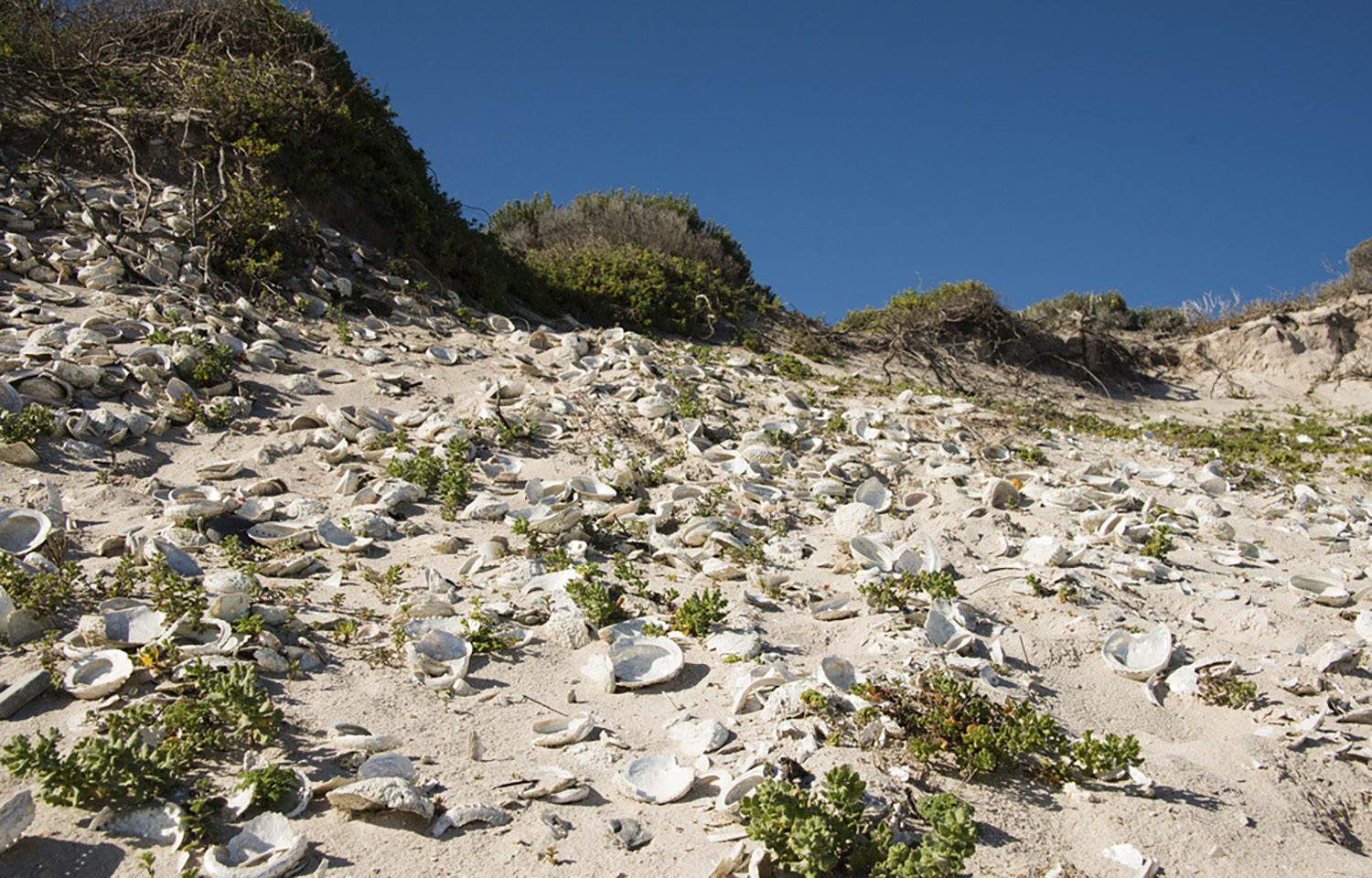
The South African National Parks (SANParks) department, a government entity responsible for conserving and overseeing South Africa's national parks, has voiced concern on the growing illegal harvesting of abalone in the country, calling for stronger collaboration between communities and the nation’s government in ending the illicit trade.
In addition to the effects the illicit trade has on the stock’s population, the increasing illegal harvesting and subsequent smuggling of abalone to Asian markets is undermining the financial performance of fishing companies in South Africa, eating into their revenues and depriving the government of taxes.
“Activities involving the illegal harvesting of abalone and succulent plants – and possibly reptiles – have increased,” SANParks Chairperson Pam Yako told government officials earlier this year in the nation’s administrative capital of Pretoria.
A research report conducted on behalf of SANParks added that the trade is “primarily driven by high demand from East Asian countries, such as China, where abalone is a delicacy and culturally important dish.”
According to the Community Against Abalone Poaching (CAAP), a lobby group fighting illegal harvesting of the animal, the little data on poached abalone in South Africa available shows around 18,825 metric tons (MT) of illegally harvested abalone were shipped out of the country between 2018 and 2023, with an estimated value of ZAR 5.6 billion (USD 313 million, EUR 284 million).
Heeding calls for action, South Africa’s Department of Forestry, Fisheries, and the Environment (DFFE) has emphasized the need for more community involvement in ending the trade.
“I urge every South African to be vigilant and report any environmental crimes to the authorities,” DFFE Deputy Minister Narend Singh said after issuing a statement on the confiscation of poached abalone in South Africa in August. “It is crucial that our communities work hand in hand with law enforcement agencies to protect our marine resources.”
The August confiscation to which Singh highlighted entailed authorities detaining a man in the town of Makhanda who was found to have illicitly been in possession of over 13,000 abalone weighing over 640 kilograms.
Though some work is being done and arrests are being made, Cambridge U.K.-based TRAFFIC, a nonprofit organization working globally to end the illicit trade of wild animals and plants, said “illegally harvested abalone continues to be traded relatively freely out of South Africa, despite numerous attempted law enforcement intervention resulting in the collapse of legal fisheries.”
“Control of trade in wild-caught abalone from South Africa has fallen into the hands of criminal syndicates,” TRAFFIC said.
Leading South African seafood companies have continued to report a decline in their earnings, partly due to unstable global abalone prices.
Cape Town-based seafood company Irvin and Johnson (I&J), an affiliate of food products manufacturing conglomerate AVI Group, said fiscal year 2024 was “a difficult year, with revenue declining due to increased competition and reduced demand in key abalone markets which constrained selling prices.”
“Demand for abalone was negatively impacted in the year by increased competition and reduced demand in key markets, which constrained selling prices,” the company said in its recent financial report for the fiscal year ending 30 June 2024.
I&J reported a 1.1 percent dip in year-over-year revenues in the period, dipping to ZAR 2.46 billion (USD 137 million EUR 125 million).
Elsewhere, seafood company Sea Harvest Group, also based in Cape Town, has also lamented reduced demand and increased competition in key abalone markets that hit its volumes sold, as well as prices, in the first half of 2024.
Nevertheless, its revenue from aquaculture during the first half of 2024 increased by 64 percent to ZAR 102 million (USD 5.7 million, EUR 5.2 million), mainly due to the acquisition of abalone business Aqunion.
