


South African seafood firm Sea Harvest Group reported large spikes in revenue and operating profit in 2025.
In its latest financial report, the firm reported that its revenues reached record highs last year, totaling ZAR 8.7 billion (USD 531 million, EUR 455 million), compared to ZAR 7.2 billion (USD 440 million, EUR 376 million) in 2024. Its operating profit amounted to ZAR 1.3 billion (USD 79.4 million, EUR 68 million), compared to ZAR 580 million (USD 35.4 million, EUR 30.3 million) the year prior.
“Variables that impact the business have been largely favorable,” Sea Harvest CEO Felix Ratheb said while presenting the group’s 2025 report. “Demand for seafood continues to grow. We’ve also seen tailwinds in terms of biomass and have seen a 42 percent increase in our catch rates.”
Though Ratheb largely expressed satisfaction with the group’s results, the positive metrics mainly stemmed from the company’s wild catch operations.
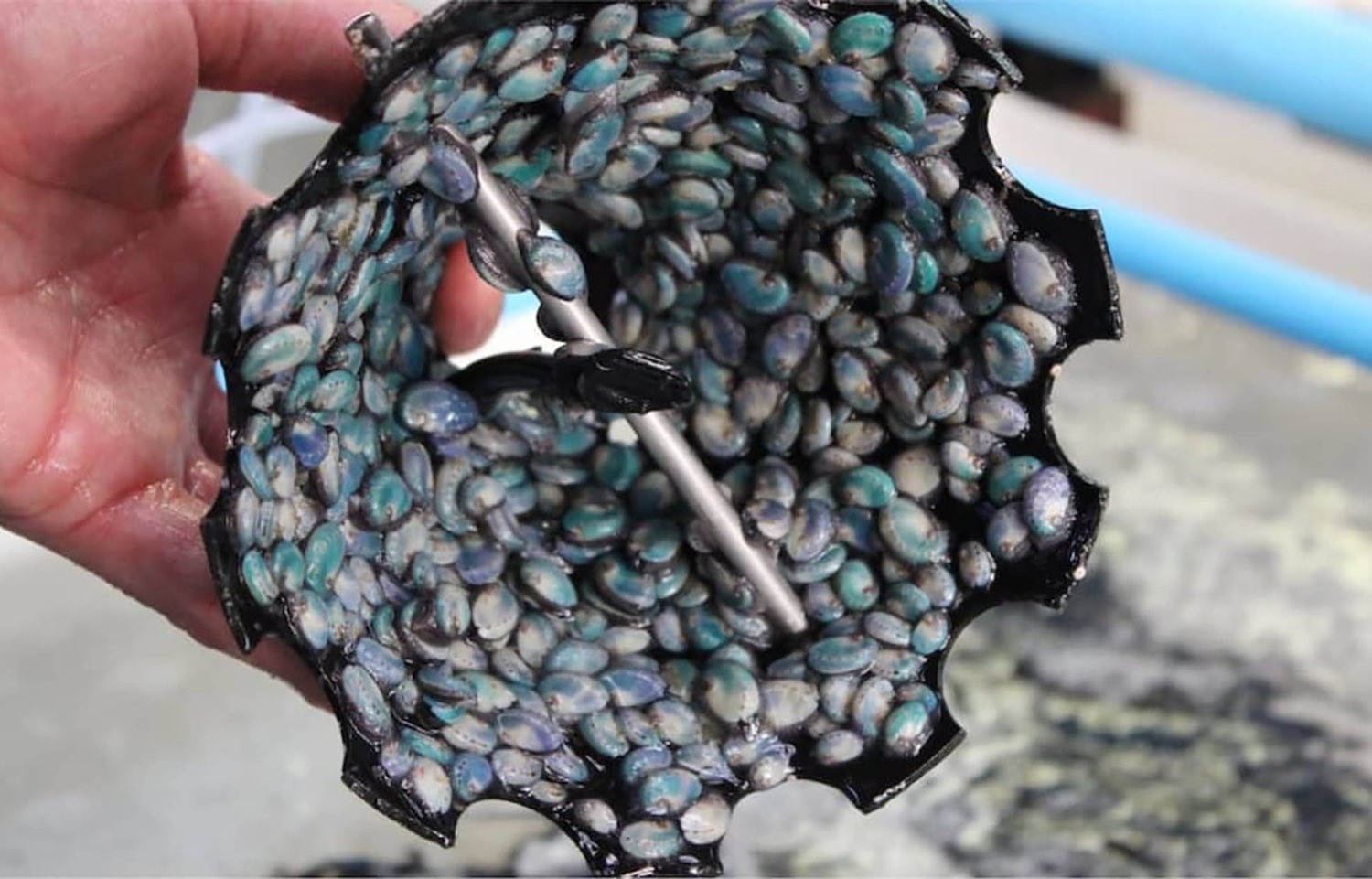
Sea Harvest also operates a vertically integrated aquaculture business, focusing mainly on the farming of abalone. The firm’s abalone business is largely carried out via its controlling stakes in both Viking Aquaculture and Aqunion.
Last year, Sea Harvest’s aquaculture arm reported an operating loss of ZAR 59 million (USD 3.3 million, EUR 2.9 million), compared to the ZAR 11 million (USD 645,000, EUR 560,000) in operating profit reported in the same period in 2024. As a result, Sea Harvest recently announced that operations at its Kleinzee and Whale Rock abalone farms have been paused.
The combined production capacity of the two farms totals approximately 300 metric tons, and the freezing of their operations represents a 25 percent reduction in supply with no definite timeline for replacing that output.
“Unfortunately, the suspension of operations has had an impact on those employees who worked on the two farms, and although we sought to redeploy affected employees to our other farming operations where possible, geographic constraints necessitated a reduction in workforce,” Ratheb said.
Ratheb attributed this performance of the firm’s aquaculture ventures to persisting economic pressures, particularly in Eastern markets like China where it predominantly sells its abalone.
“There has been a slowdown in the Chinese economy over the past few years, which has made consumers more price-sensitive across a wide range of luxury products as people prioritize saving their disposable income. Because abalone is largely reserved for high-end dining, demand for abalone from around the world has been affected,” Ratheb said.
He also pointed toward the continued poaching of wild abalone in South African waters, which has dwindled wild populations and presented legally farmed products with unfair competition.
Reports have indicated that abalone biomass in South African waters has been reduced to less than 2 percent of pristine levels in some areas. Additionally, reports have found that only 57 percent of abalone exports between 2000 and 2016 to Hong Kong, which buys more than 90 percent of abalone from South Africa, were legally exported by South Africa, while 43 percent were smuggled to neighboring, non-producing countries, such as Mozambique, Namibia, and Kenya, and then exported.
Ratheb has called for the governments of South Africa and China to work together to curb the flow of illicit trade.
South Africa has taken some action on the issue, including the country’s Ministry of Forestry, Fisheries, and the Environment proposing late last year the listing of dry wild abalone in the Appendix II category of the of the Convention on International Trade in Endangered Species of Wild Fauna and Flora (CITES) – a designation reserved for species not necessarily threatened with extinction but would require CITES to permit trading as a control measure.
Ratheb also praised the recent introduction of a “Compulsory Specification” for dried abalone exports, which requires health certification and enhanced traceability for all exports of dried abalone leaving South Africa.
The specification requires abalone exporters to have their facility accredited by the National Regulator for Compulsory Specifications and ensure their supply chain is sustainable.
Looking ahead for Sea Harvest’s aquaculture business, Ratheb said the firm is “exploring new markets and channels, primarily into alternative formats of the product through larger sizes of abalone and into new geographies.” However, he added the company remains optimistic about the growth of the Chinese seafood market in the long term, especially after the recent announcement from China that on 1 May, 53 African countries will enjoy duty-free access to the Chinese market.
“We continue to see significant long-term growth potential in China as the market recovers, with economic data from leading banks indicating that over 100 million young Chinese workers are expected to urbanize by 2030, supporting rising incomes and consumption,” he said.
Ratheb explained that from a demand perspective, abalone, in particular the South African variety (Haliotis midea), is exceptionally well-positioned in the Chinese market where the seafood “is highly valued culturally, regarded among the country’s most prized delicacies, and deeply embedded in traditional consumption patterns.”
As Sea Harvest Group navigates current challenges, Ratheb said management is focusing on “operational excellence … including the energy transition of our farms toward a greater renewable energy mix in the form of wind and solar.”
