






A fishery improvement project (FIP) focused on longline tuna fishing by Taiwanese vessels in the Pacific Ocean is nearing completion, but the nonprofit that implemented the FIP is cautioning that even after the project hits its end goal of securing Marine Stewardship Council (MSC) accreditation, there will still be plenty of work to be done to improve the work environments of fishers onboard these vessels.
Launched in April 2020, the Fue Shin Fishery Pacific Ocean Longline Tuna FIP focuses on yellowfin, skipjack, bigeye, and albacore caught by longline vessels flagged to Taiwan on the high seas of the Pacific Ocean.
The FIP’s mission statement is “to meet the rising global demand for tuna in a sustainable manner by assuring catches do not exceed sustainable levels, promoting an ecosystem-based approach to fisheries management, and strengthening policy and governance systems in the Pacific Ocean region.”
Though not necessary to gain MSC certification, the mission statement also notes that “there are also opportunities to improve working conditions and labor practices through the FIP.”
According to Ho Tu Chiang and Gabrielle Lout, project leads at Portland, Oregon, U.S.A.-based nonprofit Ocean Outcomes, which established the FIP, many of those opportunities will still remain once the vessels have the ability to secure MSC certification, which should occur before the end of 2025.
“While we are seeing progress in some areas and with some government and fishing stakeholders in Taiwan, there are still systemic issues that have yet to be resolved at the regulatory and policy level and which continue to put workers at risk,” they told SeafoodSource. “Across the industry at large, we observe little incentive for suppliers to adopt human rights due diligence or other social responsibility initiatives, other than reputational risk, which is not effective to create widespread change or pressure.”
Nevertheless, the project leads said the FIP accomplished some goals toward limiting human rights abuses aboard Taiwanese longline tuna-fishing vessels.
“We have completed requirements under the Human Rights and Social Responsibility (HRSR) Policy, including regular social risk assessments that include extensive engagement with migrant workers and captains, as well as training on rights and access to grievance mechanisms and support for crew through unions and other organizations,” they said.
Those other organizations include Indonesian labor union FOSPI, which participates in the Global Labor Justice-led Wi-Fi Now for Fishers’ Rights Campaign, which as recently as early August accused Taiwanese authorities of dragging their feet on requiring Wi-Fi on Taiwanese distant-water vessels.
“Taiwan’s seafood industry should stop denying forced labor and other widespread or systemic abuses in its distant-water fishing sector and, instead, take urgent action to address problems, including providing secure Wi-Fi access for fishers on every fishing vessel as a means for fishers to access their fundamental right to freedom of association,” the campaign said in a statement.
Ocean Outcomes said it supports the campaign for Wi-Fi access on Taiwanese vessels as a “priority improvement activity” in its Taiwan-based FIPs and, even with the Fue Shin FIP wrapping up soon, vows to continue promoting human rights in the region.
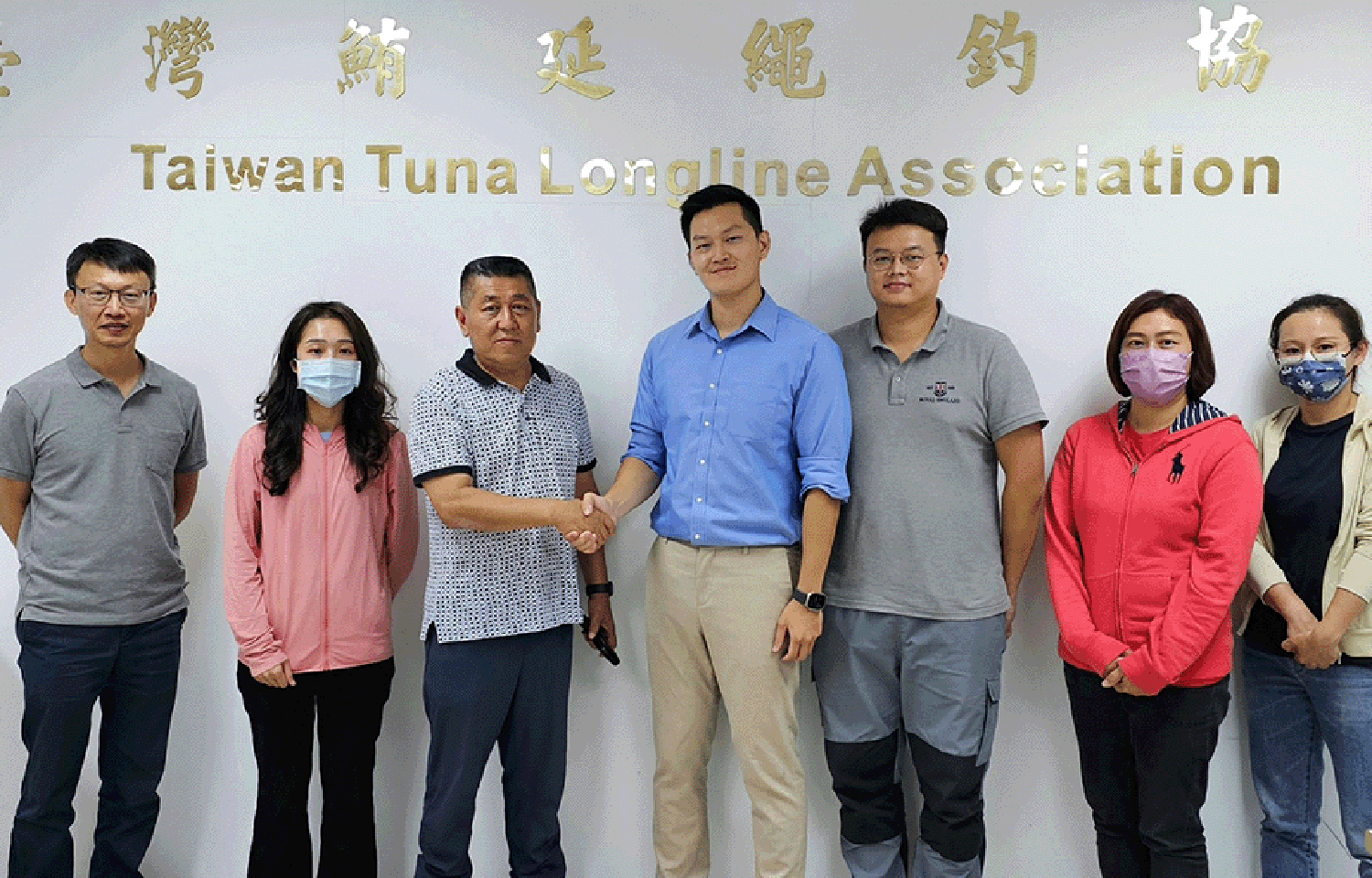
“As the FIP transitions to MSC, we have emphasized the importance of maintaining the human rights due diligence efforts in recognition that it is a voluntary environmental standard that does not address labor rights,” Ocean Outcomes said. “Last year, we established another FIP, which will focus on social and labor improvements, with the Taiwan Tuna Longline Association (TTLA), covering over 90 of their vessels. That said, these issues do persist.”
