


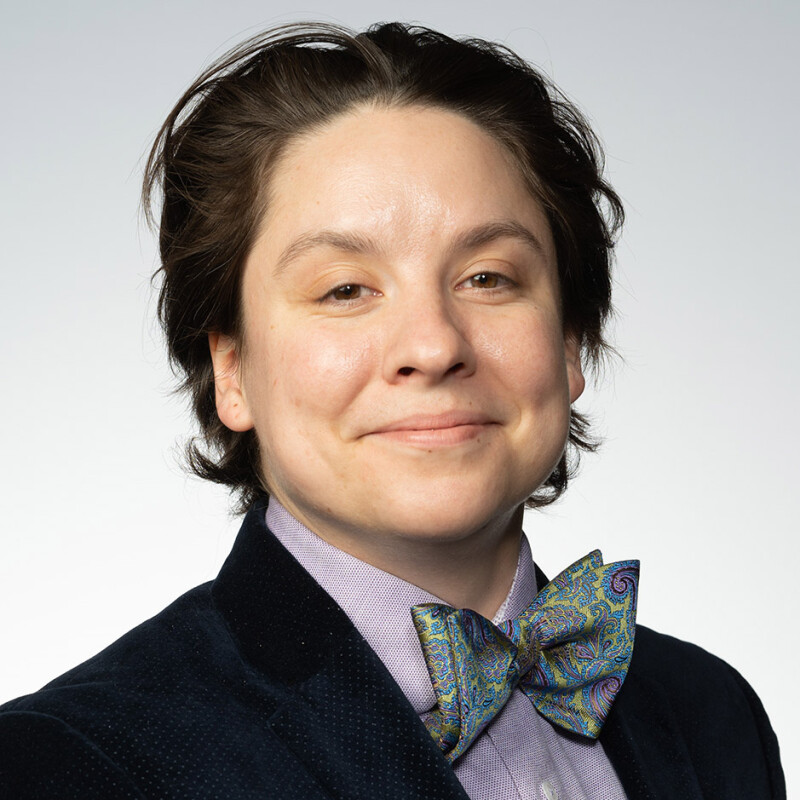
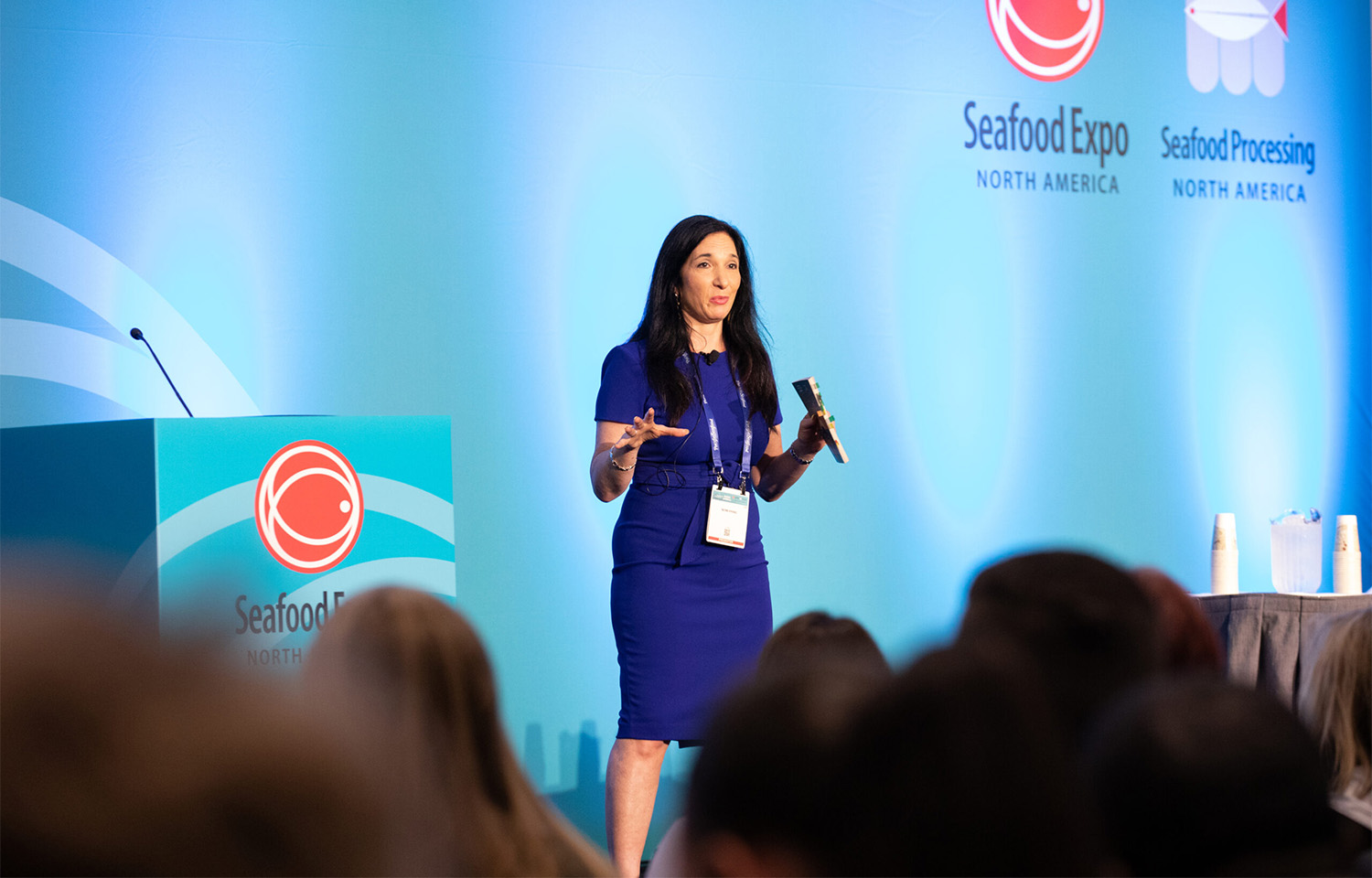
The tension in the room was palpable when macro-economist, geopolitical finance expert, and best-selling author Nomi Prins took to the keynote stage at Seafood Expo North America/Seafood Processing North America last year.
A storm of tariffs, policy and regulatory hurdles, and high energy and food prices, among other challenges, loomed over the global seafood industry, who looked to Prins in March 2025 to put it all in perspective. To do that, Prins turned to none other than classic novelist Ernest Hemingway and Santiago – the protagonist of Hemingway’s “The Old Man and the Sea” – for help.
“Last year, ‘The Old Man and the Sea’ was all about prepping for disaster, basically. And as disaster comes in, continuing to look forward and take all the pitfalls that Santiago was facing as this small-scale fisherman, and eventually coming home. Not having known exactly the timing of how things would calm down or what was going to happen in the overall world, it seems like that was really good prep for this year,” Prins told SeafoodSource in January when asked about her upcoming return to the SENA keynote stage in 2026, slated to take place on Sunday, 15 March at the expo.
Naturally, Prins scoured the library again for literary inspiration when crafting this year’s upcoming address to the industry, titled “Fork in the Current: The Economic and Trade Realities Shaping Seafood in 2026.” However, it’s an online story unfolding in real-time – “a North American story … happening in Calgary, Connecticut, and Dallas”– that’s been capturing her interest as of late.
“I was thinking about other books for 2026, and for example, I thought about ‘Moby Dick’ and the bigger issues of turmoil. But I don’t think we’re in that same sort of turmoil. And so, when I was thinking about not using a book, I came across a Wall Street Journal article, which really struck me as kind of where we’re at,” Prins said. “The article is called ‘Parents are going broke from their kids’ sushi obsession,’ and yes, it went viral. But I think what was interesting about it was the forwardlooking nature of changing appetites, attitudes, and narratives around seafood, as well as this whole Gen Alpha demographic. There are kids under 12 that are choosing sushi over pizza at birthday parties, and whether that’s every birthday party or not, I think it’s significant.”
In light of this, and given how things have played out over the course of the past year, Prins plans to pick up where she left off in 2025: at the crossroads of opportunity.
“I left things last year on a hopeful note because I did not think that all of those tariffs were going to stay in place, and they didn’t,” she said. “There was a lot of worry in that room, though, and what I said was, ‘there’s going to be residue, there will be tariffs, there will be choices that are made geographically because of tariffs, because of supply chains, because of the sea – but a lot of that’s going to wash out.’ And we have seen that wash out. Some tariffs have been reduced, but some still linger and repositioning has occurred. Now I think we’re in this plateau, where it’s time to level-up with the knowledge that we have.”
With many tariffs fairly “embedded now,” Prins noted that the seafood industry worldwide “can look at them as structural costs and not shocks, and that’s much easier to incorporate into a balance sheet.”
“It’s not about fighting tariffs, but adapting around them,” Prins added. “Market diversification, going with the current, product pivots, leveraging trade agreements where they’re better and figuring out how to sort of monetize that – that’s a big lesson that’s carried over into 2026.”
Consequently, that lesson will echo throughout Prins’ sophomore address, wherein she’ll “explore how macro forces from U.S.-China trade tensions to E.U. regulatory shifts, energy price volatility, AI integration, and consumer price sensitivity are reshaping cost structures, sourcing strategies, and regional demand.”
“I call the talk ‘The Fork in the Current’ because it’s not about the turmoil anymore – it’s about where do you go and where do you stay now that we’re in positions. Now, we can plan,” she said.
Ultimately, Prins said she aims to help the seafood industry “take out the panic” and turmoil, to get a better sense of the bigger themes and trends that await it in 2026.
“I want to unpack what’s happening beneath the headlines. I want to unpack how a viral headline actually connects to so many different parts of the supply chain, whether it’s from frozen to fresh to marketing to repositioning seafood types of strategies to meet that demand and also be involved in growing that demand,” Prins said.
“Like last year – and I’m pretty much like this in general – I like to take out the panic and look at the bigger picture. I think that this year, there are so many positives evolving on the bigger picture, and that’s really what I want to bring to everyone there invested in the North American marketplaces – this ability to see through the noise and continue on with the trends that are really important to 2026 and to all the parts of the seafood supply chain,” she concluded.
