



The World Trade Organization (WTO) has been trying for months to secure a deal to ban harmful fishery subsidies leading to overfishing and overcapacity in global fishing fleets.
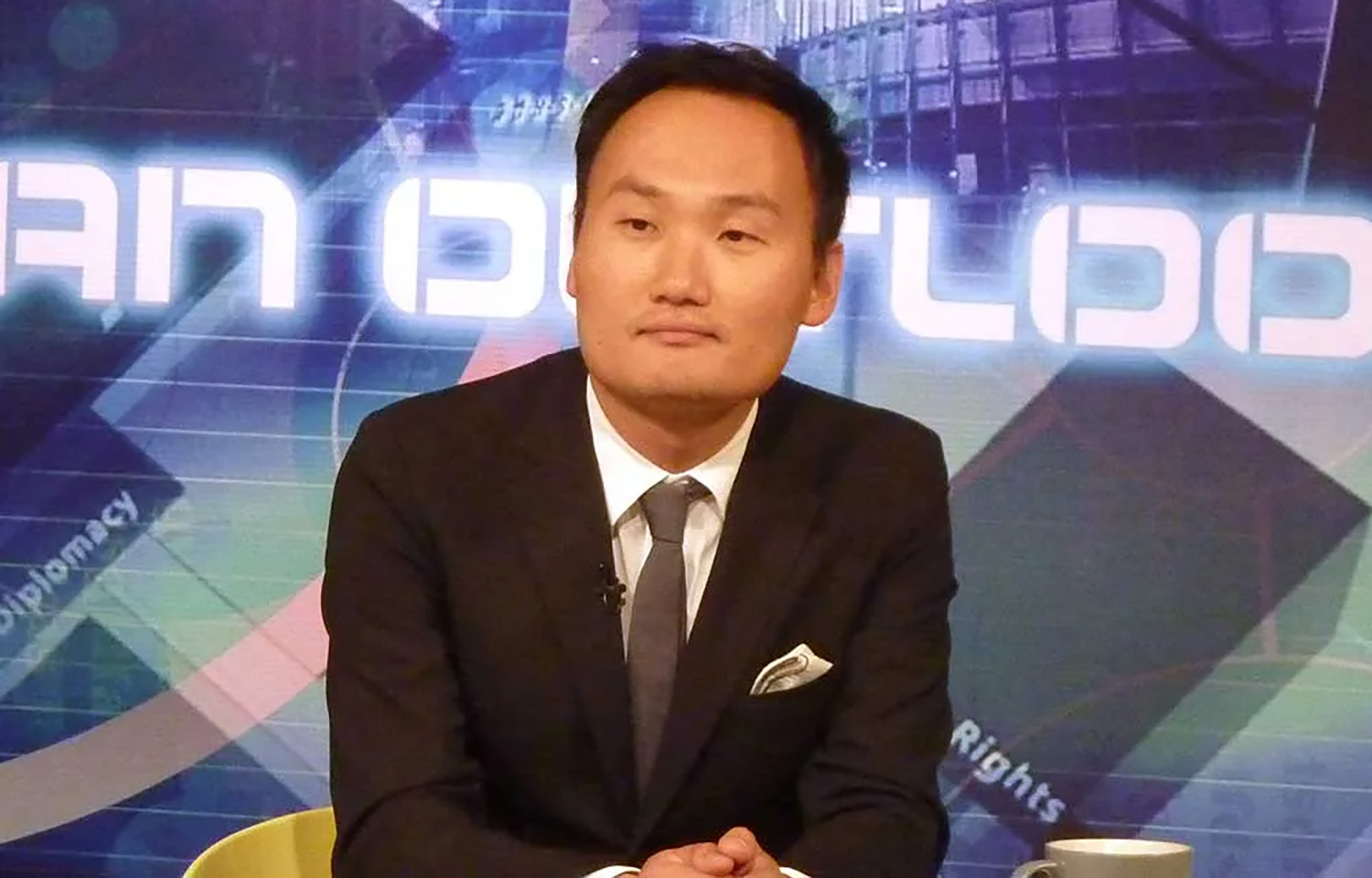
Negotiations have all failed so far, and future attempts to pass the deal are looking bleak, according to European Center for International Political Economy (ECIPE) Director and Hosuk Lee-Makiyama, who told SeafoodSource that key WTO members like India have dug in on their opposition.
Indian officials have stated that their opposition, which has drawn criticism from other WTO members like the E.U., is mainly based on the fact that countries with large fleets, like China, are primarily responsible for overfishing across the globe and that a deal in its current form would just hurt India’s artisanal fishing fleet, which do not contribute to overfishing.
Lee-Makiyama, who has written books on such trade topics as WTO relations, said he also suspects India’s unwillingness to sign on to a deal may be linked to a similar refusal to agree to WTO limits on subsidies paid to the agricultural sector.
“India guards its policy space on agricultural subsidies vigilantly,” he said. “Many forget that India is a state-managed mixed economy and that 20,000 farmers sieged the capital in violent protests even at the peak of the pandemic. Farmer policies in India are not for the faint-hearted.”
India Minister of Trade Piyush Goyal told Indian media after the WTO ministerial meeting in February – where the country blocked progress on both the fisheries deal and also an agreement to limit agricultural subsidies – that “our objective was that our farmers and our fishermen should not face any kind of harm, no crisis should come, and in that, we successfully did not allow any such decision to be taken that would harm any farmer or fishermen.”
Even more frustrating for fellow member nations, India has specifically waited until negotiation meetings to state its ongoing opposition, Lee-Makiyama said, trying to get concessions out of other countries.
“This is about economizing resources; why waste your voice on an initiative that might self-die anyway? On the other hand, it is also about maximizing leverage, blocking deliverables at the last minute when their beneficiaries are willing to pay more since the gains have become tangible,” he said.
Any hope that Indian officials will capitulate in return for progress on other issues occurring at the WTO may be futile, according to Lee-Makiyama.
“The problem is that there is very little that India wants from the WTO as a forum,” he said.
China, by contrast, has benefited from its WTO membership and has supported the draft agreement on fishery subsidies, even stating it will cancel subsidies that do not meet WTO standards.
As a major exporter, the government in Beijing has sought to keep and trade tariffs down, and the WTO provides a forum to do so.
