






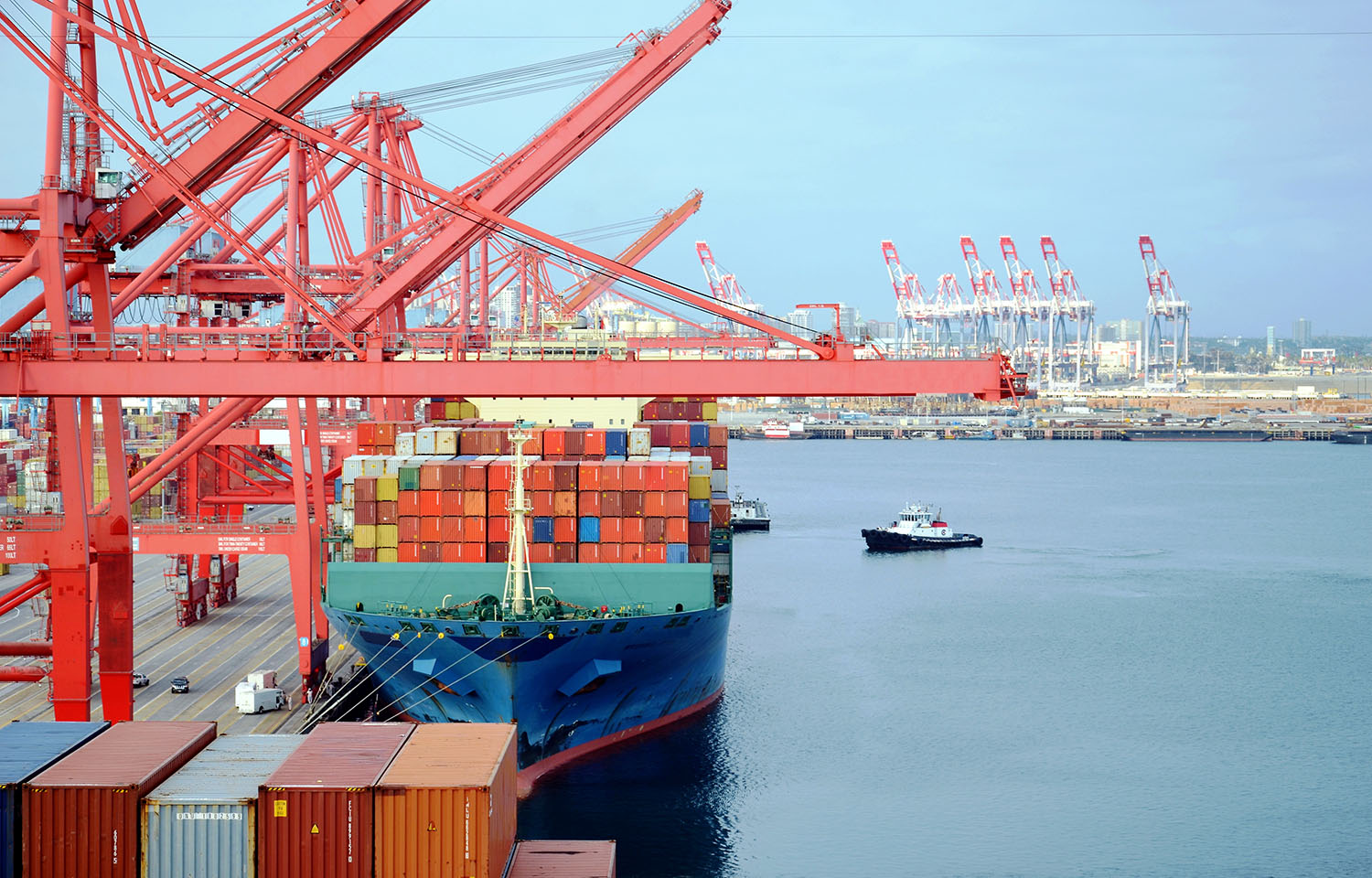
U.S. container port executives and managers are asking Congress to restore funding allocation rules to the Harbor Maintenance Trust Fund (HMTF), which is a pool of money drawn from port taxes used for dredging and maintaining ports, among other uses.
In 2020, U.S. Congress set up rules that allowed donor and energy transfer ports, which contribute more to the HMTF, to draw larger shares of the fund and to use the money for what are known as expanded use projects, or improvements beyond just harbor maintenance.
Donor ports are those which collect more than USD 15 million (EUR 13 million) in HMT funds annually, while energy transfer ports are those which move more than 40 million tons in commodities annually, at least 25 percent of which are energy products.
The 2020 allocation requirements were meant to address federal funding disparities between very large ports and smaller ones since the largest, busiest, and deepest ports have historically contributed the most to the HMTF and drawn the least revenue from the fund per year.
Changes recently made to the FY25 and FY26 Congressional budgets will mean that some of the nation’s largest ports, which were expecting to receive around USD 332 million (EUR 287 million) for extended use projects, will now receive no funding.
In response, port executives, which included the American Association of Port Authorities (AAPA) and 22 port directors, made a request in a 31 July letter to senators John Kennedy (R-Louisiana) and Patty Murray (D-Washington) and representatives Chuck Fleischmann (R-Tennessee) and Marcy Kaptur (D-Ohio), urging lawmakers to restore the provisions that had previously allocated funding to “emerging harbors, Great Lakes ports, strategic ports, and donor and energy transfer ports.”
Arguing that the 2020 allocations had bipartisan legislative backing and were used by ports to “increase resiliency, address longstanding maintenance backlogs, and enhance operational efficiency,” it asked Congress to add language to the FY26 Energy and Water Appropriations Bill to allocate HMTF funding to donor and energy transfer ports “consistent with the level authorized in … 2020.”
The letter emphasized the role of American ports in meeting a number of the strategic goals laid out by U.S. President Donald Trump's administration, including resource competitiveness and national security.
“Ports need consistent and predictable funding to plan and execute the billions in additional expanded uses projects in their pipelines. These projects are critical to supporting a robust and resilient supply chain infrastructure as well as our economic, energy, and national security,” it read. "Our nation’s ports are not only critical economic engines but also strategic assets that help secure our borders and keep global supply chains moving.”
The signers of the letter included the executive directors of the nation’s busiest container ports, such as Gene Seroka of the Port of Los Angeles, Mario Cordero of the Port of Long Beach, and Beth Rooney of the Port Authority of New York and New Jersey, among many others.
Elsewhere in the logistics sector, spot rates for container prices have fallen globally, and multiple shipping market forecasters are predicting further contraction – both in spot rates and in the number of sailings on key routes, such as between the U.S. and China.
Experts from shipping analysis firms Drewry and Xeneta said that the declines were related to the end of U.S. tariff pauses, which means “the big rush to ship cargo before the tariff increase is now over," according to Drewry Supply Chain Senior Advisor Hind Chitty.
“The unpredictability began after U.S. tariffs were announced in April, which caused rates to surge from May through early June," Hind said in a recent edition of Drewry’s weekly World Container Index. "Subsequently, the market saw a heavy decline until mid-July, after which the downward trend lost momentum and the rate of decrease slowed considerably.”
Xeneta Shipping Analyst Emily Stausbøll agreed that tariff policy was still dictating the sector’s price fluctuations.
“Average spot rates on the major fronthauls from the Far East to the U.S. have been falling hard and are now at the lowest level since December 2023," she said in a recent weekly market update. "With further decreases expected in August, freight rates are now closing in on pre-Red Sea crisis levels, especially into the U.S. West Coast."
While shippers “may benefit from falling freight rates … this will not come close to offsetting the financial impact of tariffs,” Stausbøll clarified.
