





The U.S. Food and Drug Association (FDA) is exercising a new authority granted under the Food Safety Modernization Act (FSMA) to address the detection of radioactive isotope Cesium-137 (Cs-137) on shrimp imports from Indonesia.
Using the new authority, the FDA will require shrimp from a certain region of Indonesia to be certified by that nation’s government prior to being shipped to the U.S. starting at the end of October.
“The FDA is taking this action to require import certification after U.S. Customs and Border Protection detected high levels of Cesium-137 in multiple shipments of shrimp and in a sample of cloves from certain regions of Indonesia and the FDA's laboratory confirmed contamination in food samples, in addition to other evidence and information reviewed by the FDA,” the agency said in a 3 October release.
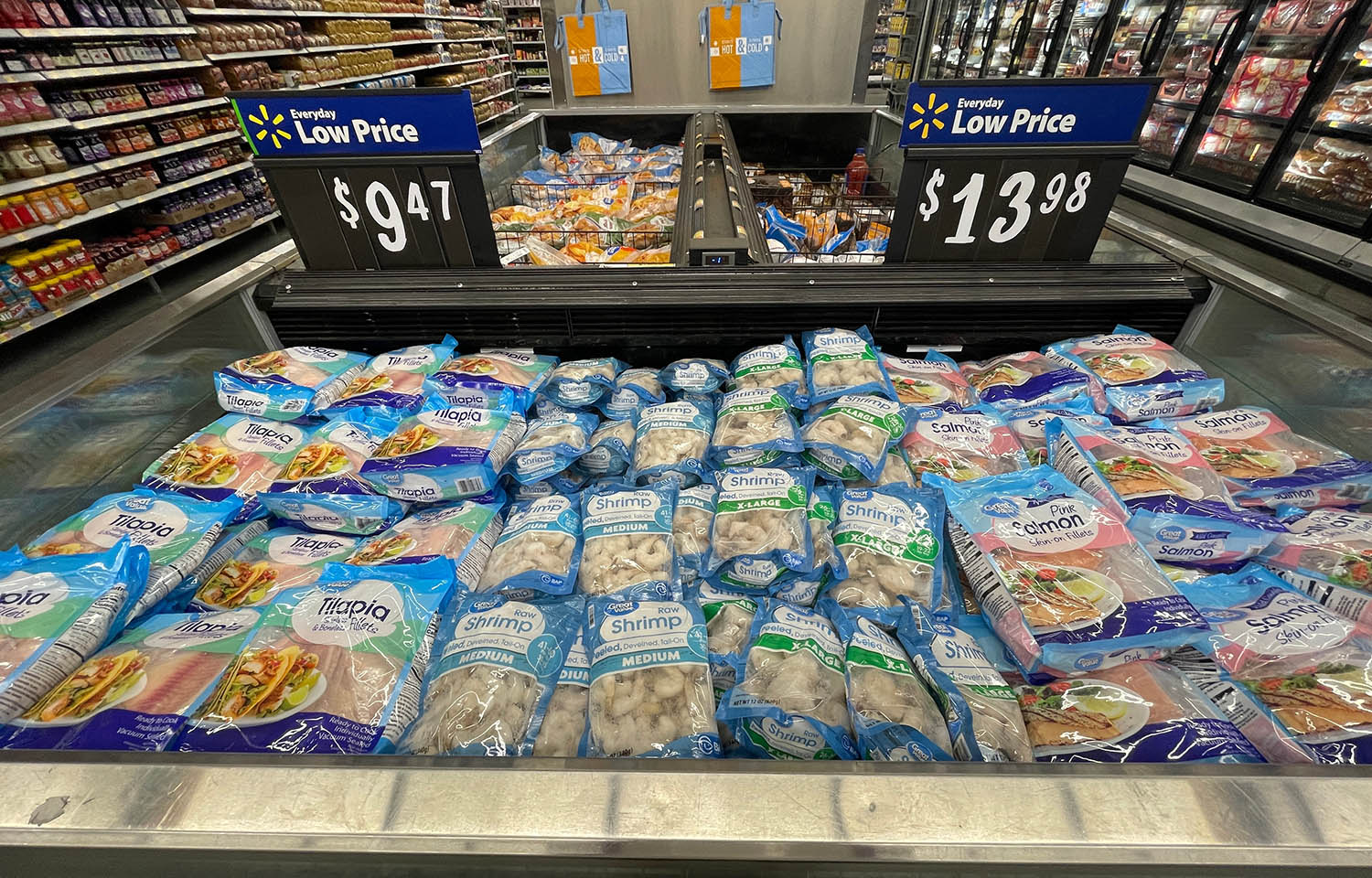
The FDA first notified the public of possible radioactive contamination in August after Cs-137 was detected in shipping containers at several U.S. ports. A package of shrimp from Indonesia-based processors PT. Bahari Makmur Sejati tested positive for the radiation – which officials said was detected at levels too low to threaten acute harm – leading to a spate of recalls, including for some packages of Walmart’s “Great Value” brand and Kroger’s “Mercado” brand, and issues for importers.
Officials have connected the radioisotope contamination to a metal melting facility near one of PT. Bahari Makmur Sejati’s shrimp-processing plants in Jakarta, Indonesia.
On 3 October, the FDA announced that it will require additional certification for shrimp imports originating from the Island of Java and Province of Lampung on the Island of Sumatra in Indonesia. Shrimp from that area will need to be certified by an agency or representative of the Indonesia government, according to the FDA.
The new requirements will go into effect 31 October.
The FDA has also red listed PT. Bahari Makmur Sejati, meaning that the company’s products can be detained without physical examination. To be removed from the red list, the company will need to set up an accredited third-party certification program to verify the control of Cs-137. Even after meeting that standard, the company’s shrimp can still be detained without physical examination, and the company will still need to secure certifications from the Indonesia government for each shipment.
According to the FDA, this is the first time the government has exercised new import authorities granted under the Food Safety Modernization Act (FSMA).
“This represents the first use of this Congressional authorized tool to address ongoing food safety problems while keeping trade flowing for products which meet the certification requirements,” the agency said in a 3 October notice. “This tool allows the FDA to require certification or other assurance that imported food meets U.S. requirements before the food can leave the port of export for shipment to the U.S. The FDA may use this authority to address ongoing and repeated food safety problems through additional oversight before shipment. This approach works alongside current tools to cover larger volumes of trade while maintaining safety oversight.”
