




Improving oversight of shrimp imports is a priority for the U.S. Food and Drug Administration (FDA) in 2026, with the agency recently laying out several areas it wants to tackle in the coming year.
In January, the FDA released its 2026 Priority Deliverables for its Human Foods Program (HFP), which oversees all food safety and nutrition efforts within the agency.
“In 2026, FDA will continue to implement multi-year initiatives that advance HFP’s vision and mission. Those plans will build upon a considerable body of success that has already been achieved during 2025,” the agency said. “HFP developed this document to highlight the goals we will work to prioritize in 2026, which include delivering on the Secretary’s MAHA [Make America Healthy Again] agenda to make the U.S. food supply safer and its population healthier.”
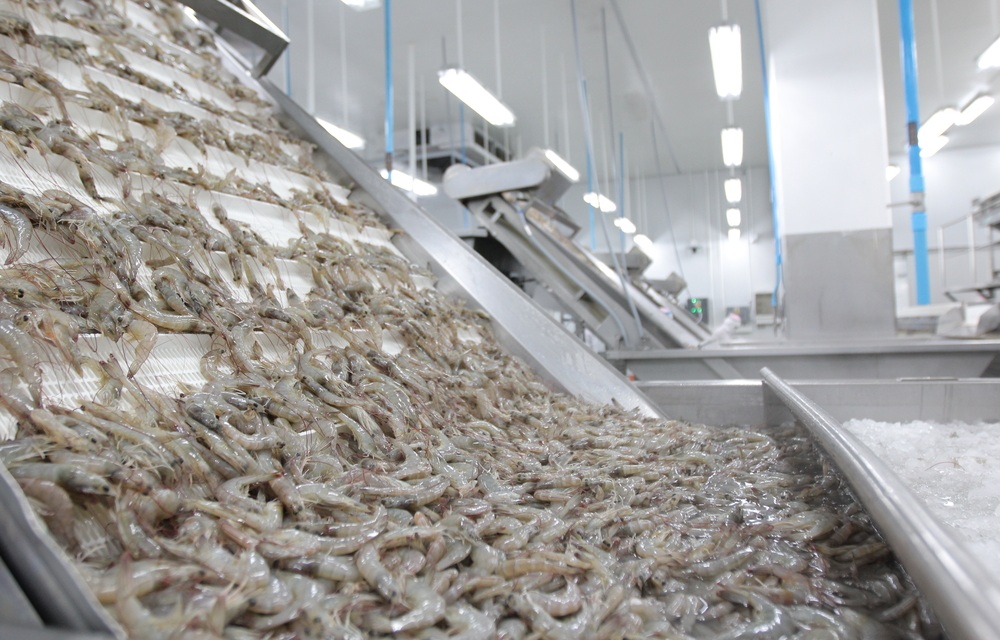
Among those priorities is growing the agency’s capacity to inspect imported shrimp products and determining whether they meet U.S. regulatory requirements. The FDA noted that seafood deserves particular attention in its efforts due to the high level of imports comprising American seafood consumption. For HFP, the agency laid out three priorities to implement in 2026, including:
- Advancing regulatory partnership arrangements with the leading shrimp-exporting countries (India and Ecuador) that consider the risks and regulatory systems of each country;
- Continue emphasizing sampling for surveillance and compliance for shrimp supply chains; and
- Establishing whole genome sequencing capabilities and data sharing for the shrimp supply.
While the Southern Shrimp Association (SSA) – a body that advocates the needs of the domestic shrimp sector in the U.S. and has pushed hard to limit and increase scrutiny of imports – praised the agency’s decision to focus on shrimp imports, the group also questioned how effective its work with other countries could be.
“Although the U.S. shrimp industry welcomes the FDA’s emphasis on the importance of ensuring the safety of imported shrimp, the agency hasn’t shown that its regulatory partnership arrangements are making any difference,” SSA Deputy Director Blake Price said in a release. “If the agency intends to dedicate additional significant resources to advancing these arrangements, there must be some explanation as to how they’ve helped, particularly with respect to Indonesian shrimp.”
Indonesia shrimp has been a sore point for the industry, with the presence of a radioactive isotope – cesium-137 – leading to a spat of recalls over the last several months. The FDA has assured consumers that the levels of radiation aren’t high enough to threaten acute harm, but the government has held dozens of shipments of Indonesian shrimp exports. Coupled with the recalls, the situation has forced importers to find new suppliers for their shrimp.
While the source of the cesium-137 contamination has been identified and U.S. regulators have worked with Indonesian authorities to ensure the nation’s shrimp exports are certified, the U.S. Department of Homeland Security noted in a January bulletin that shipments of goods from Indonesia will continue testing positive for radiation.
"Due to the high number of factories and wide variety of goods produced at facilities in the area of the contamination, additional commodities from Indonesia will almost certainly test positive for Cs-137 in the coming weeks and months," the bulletin said, according to ABC News.
Soon after the first shrimp recalls were announced in summer 2025, U.S. Secretary of Health Robert Kennedy declared that the FDA would be stepping up inspections in response.
“We have now increased FDA inspections of shrimp to make sure that Americans are not buying and eating contaminated shrimp and putting our shrimpers out of business,” Kennedy said in a 26 August cabinet meeting.
Kennedy also railed against the quality of imported shrimp, noting that many shipments are stopped for contamination by antibiotics and “all kinds of chemicals.”
“South Asian nations are now dumping shrimp on our country. Their shrimp is heavily contaminated,” Kennedy continued. “We just stopped a shipment that was contaminated with Cesium-137, which is radioactive. They’re farming these shrimps, and they use bactericides and antibiotics and all kinds of chemicals, and the shrimp are so contaminated the European nations won’t take them. So, they’re dumping them all here.”
In addition to laying out its 2026 priorities for the HFP, the FDA also outlined its legislative proposals for the year, including authorizing the agency to destroy imports that don’t pass inspection and pose a safety hazard. The domestic shrimp sector has long argued that shrimp exporters will work to “reexport” shipments to the U.S. even if it is refused entry the first time. Because so few shipments are inspected, exporters know that they can try again and hope that a contaminated shipment will evade detection on a second or third try.
To eliminate this issue, U.S. lawmakers and the FDA have argued that the U.S. government needs the authority to destroy shipments that are refused entry and pose a health or safety issue.
“There is no reason why any exporter should be selling shrimp to the United States that is contaminated with banned antibiotics or harmful human pathogens,” Price said. “Giving the FDA authority to destroy contaminated seafood that poses significant public health concerns appropriately incentivizes foreign suppliers to screen shrimp prior to exportation.”
Last year, lawmakers introduced the Destruction of Hazardous Imports Act, which would authorize the FDA to destroy any food products that fail inspection.
“The Destruction of Hazardous Imports Act is a commonsense solution, and the U.S. shrimp industry calls on Congress to support the FDA’s request,” Price said.
