






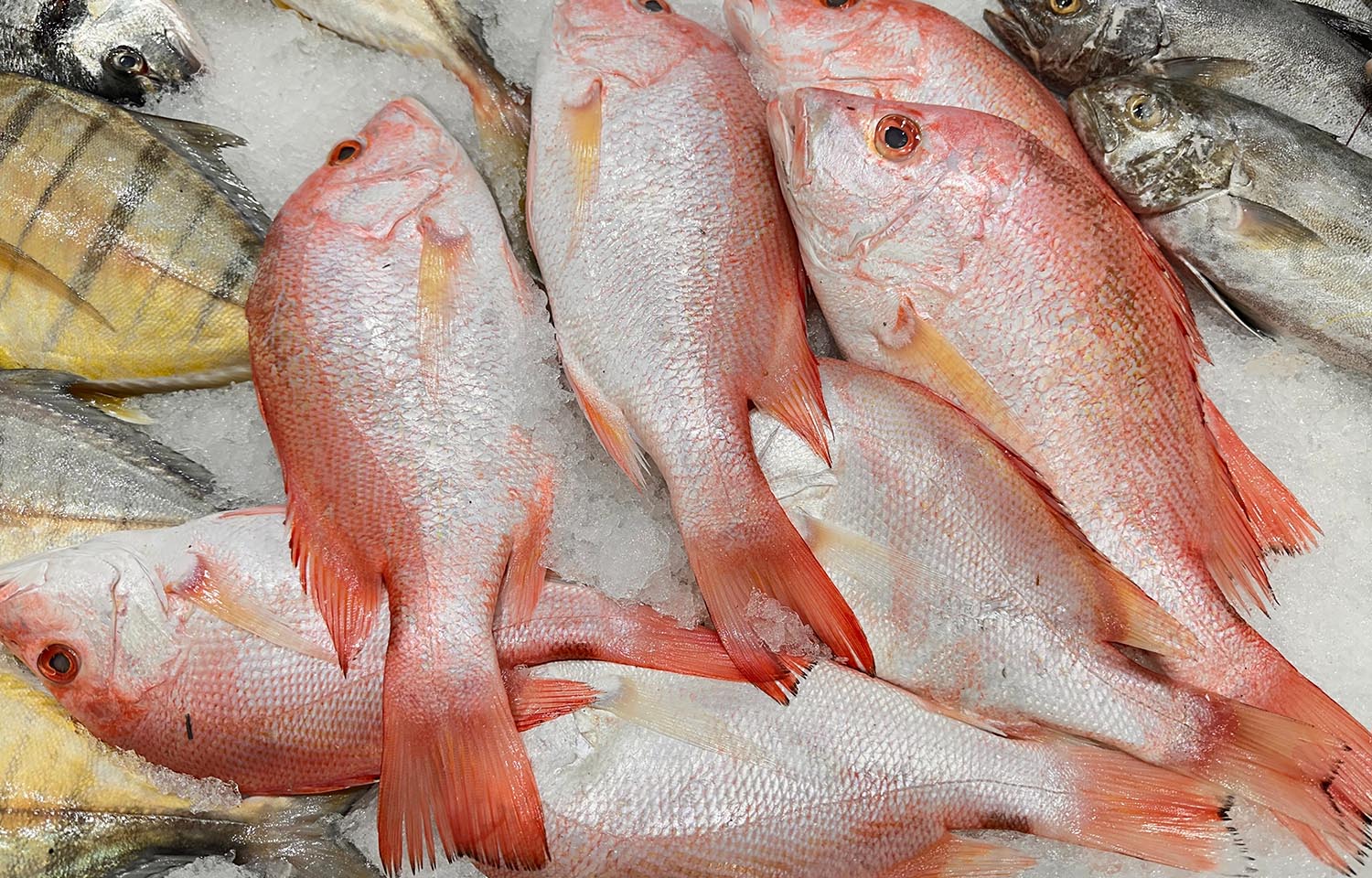
U.S. lawmakers heard testimony on new legislation designed to address illegal red snapper and tuna imports by creating a new field test that can quickly reveal where those fish originated.
On 22 July, the U.S. House Subcommittee on Water, Wildlife, and Fisheries held a subcommittee hearing to consider several pieces of legislation, including the Standards for Understanding Source and Habitat Identification (SUSHI) Act. The bill would require the federal government to develop a standardized test that can identify the country of origin of red snapper and certain species of tuna in the field, giving law enforcement officers another tool to detect illegal foreign products.
“It would task the National Institute of Standards and Technology, better known as NIST, with developing a chemical test to identify the geographic origin of red snapper and tuna fish. Currently, NIST scientists can chemically determine the geographic origin of various foods, including strawberries, beef, honey, and rice. Similar testing methods can also discern [farmed] shrimp from those that are caught in the wild,” U.S. Representative Brian Babin (R-Texas) said during the hearing. “The SUSHI Act would help combat illegal, unreported, and unregulated fishing activities, better known as IUU, that violate both national and international fishing regulations and place American fishermen at a distinct competitive disadvantage.”
The U.S. Senate passed a nearly identical piece of legislation titled The Illegal Red Snapper and Tuna Act earlier this month.
William Holcomb of the Florida Fish and Wildlife Conservation Commission Division of Law Enforcement testified in favor of the House legislation, claiming it aligned with U.S. President Donald Trump’s executive order on American seafood competitiveness.
“In the Gulf of America, the commercial red snapper fishery is limited to a quota of 7,493,784 pounds of fish,” Holcomb testified. “Commercial-caught red snapper is landed in Florida and our fellow four Gulf states, processed, and distributed throughout the country to grocery stores, fish markets, and restaurants. We have heard stories about foreign fleets that harvest red snapper and other fish species from our waters, return to their home country, and then import their harvests into the United States.”
Illegal red snapper harvesting in the Gulf of Mexico, currently referred to as the Gulf of America by the U.S. government, has drawn increased concern from federal lawmakers, who claim poaching is harming domestic commercial fishers.
“Researchers in my state at Texas A&M University in Corpus Christi estimate that poaching costs the U.S. red snapper industry as much as USD 12 million [EUR 10.2 million] per year, and that’s just the impact of poaching on that one species. In fact, the U.S. Coast Guard believes the models used to calculate these losses significantly underestimate the magnitude of illegal operations,” Babin said.
The U.S. government has taken several steps to crack down on red snapper poaching over the last year. In December 2024, the U.S. Department of the Treasury issued sanctions on five Mexican individuals accused of organizing the Gulf Cartel's red snapper fishing operations. The U.S. Coast Guard has also arrested dozens of Mexican fishers illegally operating in U.S. waters this year, and the U.S. Department of Justice has begun pressing charges on the fishers it has interdicted. In June, four Mexican fishers pled guilty to violating the Lacey Act.
“The men had 693 pounds of red snapper and four sharks valued at USD 9,000 [EUR 7,658], according to the United States Attorney’s Office. These illegally caught red snapper would have been imported into the United States to the detriment of United States fishermen and others in the fishing industry,” Holcomb said. “[The SUSHI Act] would solve this problem by instructing the United States Department of Commerce to work with the United States Customs and Border Patrol and the United States Coast Guard to develop a standard methodology to chemically trace seafood and test it on red snapper and tuna. Additionally, we are pleased to see the needs of state law enforcement agencies will be considered when developing this technology. FWC believes this is an important tool in reducing the amount of IUU caught seafood that enters the United States.”
