





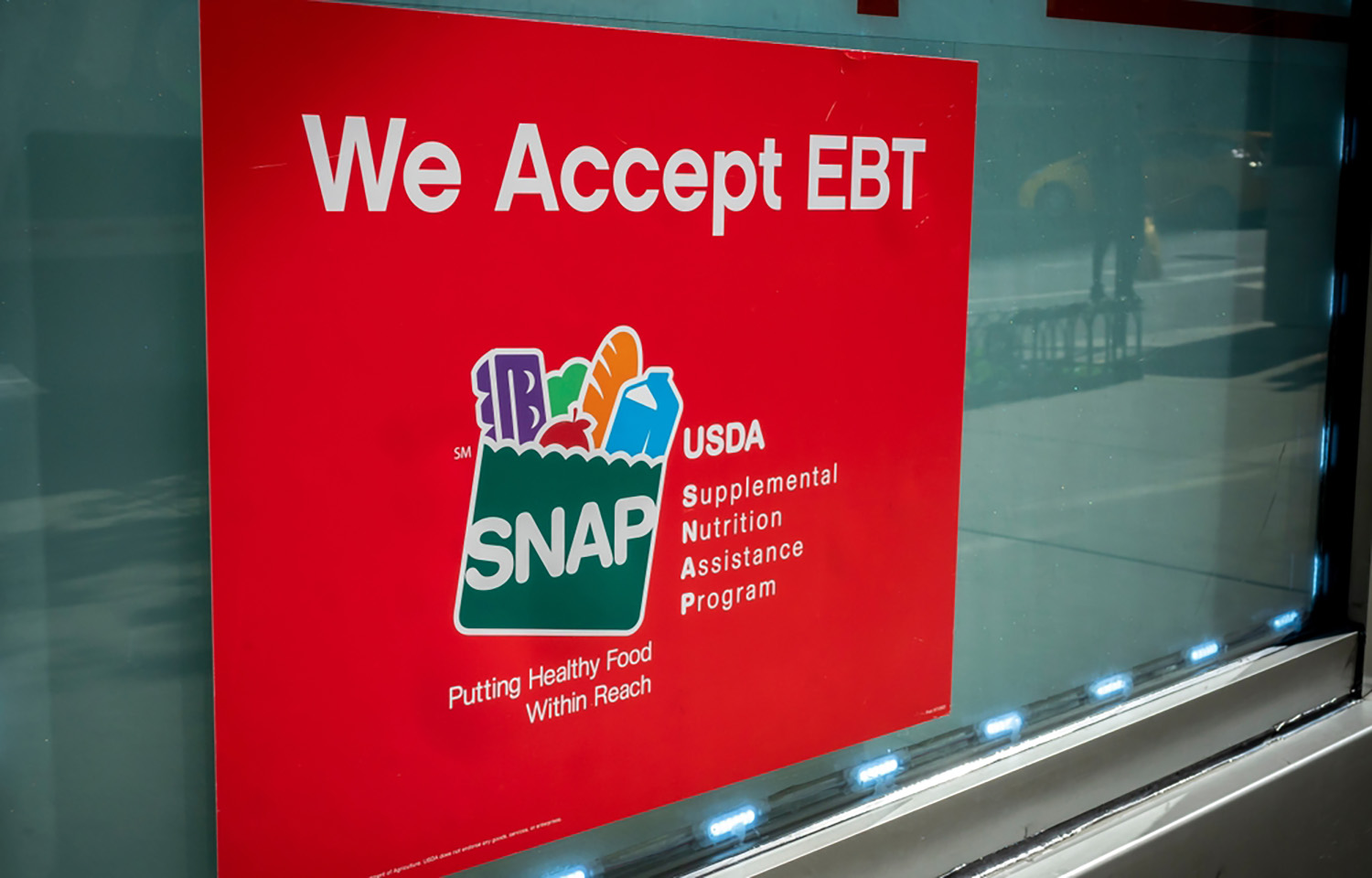
Based on actions taken by U.S. President-elect Donald Trump’s administration during his first term in office, some organizations are voicing concerns that he might try to alter and potentially weaken the Supplemental Nutrition Assistance Program (SNAP) and the U.S. Department of Agriculture’s (USDA) Special Supplemental Nutrition Program for Women, Infants, and Children (WIC) after he takes office in January – which will in turn impact seafood consumption.
SNAP is the largest federal program aimed at combating hunger in the U.S. and supports around 42 million beneficiaries.
SNAP households spend more than non-SNAP households when shopping, according to a new Circana report, and SNAP recipients also account for 24 percent of total consumer products goods spending in the country, according to a 2023 Numerator report.
During Trump’s first presidential term, his administration attempted to revoke SNAP eligibility for approximately 700,000 unemployed people, per Grocery Dive, and heading into Trump’s second administration funding for nutrition programs such as WIC and SNAP may be similarly at risk, Center for Science in the Public Interest (CSPI) Policy Associate Erin Ogden told SeafoodSource.
“Despite WIC's proven history of improving pregnancy outcomes and child nutrition, funding the program has recently received less bipartisan support. If WIC is not fully funded, mothers, infants, and young children who are nutritionally at-risk will be turned away and won't benefit from important health services and nutritious food,” Ogden said.
Likewise, CSPI anticipates Trump’s administration may attempt to limit SNAP access through benefit cuts, expanded work requirements, and restricting the type of purchases individuals are allowed to make with their SNAP benefits.
“With the already high cost of food, cuts to nutrition assistance programs will push the 40 million Americans with low incomes further into food insecurity,” Ogden said.
It is difficult to predict exactly how the new administration will impact the SNAP program, but Seafood Nutrition Partnership Founder and President Linda Cornish said that the organization encourages the incoming president and policymakers to “prioritize good nutrition for all Americans and recognize that many Americans depend on food assistance programs to provide healthy meals for their families.”
“Any updates to federal nutrition programs should include more access to seafood and fish in all forms, such as fresh, frozen, canned, and/or prepared,” Cornish said. ”Seafood is rich in the omega-3s necessary for brain growth and cognitive development and is linked to improved focus, memory, and academic performance in children. We can go a long way to helping Americans get healthier when we provide more access to seafood as part of a balanced diet.”
It is also difficult to predict whether the incoming administration will consider changes to the WIC program, but if the administration does choose to alter the program, it will affect seafood suppliers in the U.S. as the program updated its rules earlier this year to include more seafood, among other changes.
WIC specifically added 6 ounces of canned fish to food packages for all children up to 4 years of age – up from the previous rule of 5 ounces for children between 2 and 4 years old. The USDA is also now accepting canned light tuna and chub mackerel in addition to salmon, sardines, and Atlantic mackerel.
The program also now includes 10 ounces of canned fish in food packages for pregnant and postpartum participants and 15 ounces for partially breastfeeding recipients.
“NFI commends USDA for updating the WIC food packages to reflect longstanding Dietary Guidelines for Americans recommendations,” National Fisheries Institute Chief Strategy Officer Gavin Gibbons told SeafoodSource at the time. “Providing seafood to more WIC participants will help low-income families to eat more fish – an important source of nutrients such as protein and omega-3s – while adding variety and value to food packages and responding to WIC participants’ requests.”
